
The investigation centers on alleged misuse of federal funds intended to support child nutrition and social services during the COVID-19 pandemic. Prosecutors have described the case as a large-scale scheme involving false reimbursement claims, fabricated documentation, and shell organizations. As of late 2025, more than 70 individuals have been indicted, with many pleading guilty to charges such as wire fraud, money laundering, and theft of government funds.
Background of the Investigation
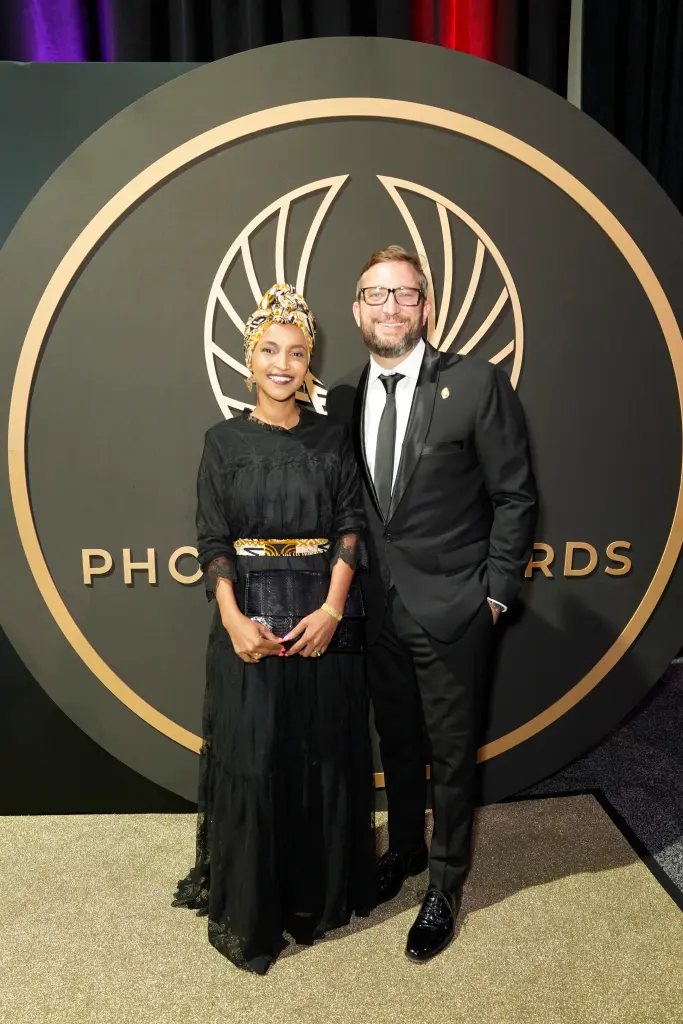
According to federal court filings, the alleged fraud involved nonprofits claiming reimbursement for meals that were never served through federally funded child nutrition programs. Investigators say the schemes relied on falsified attendance records, fake invoices, and inflated meal counts. Funds intended to support children and families were allegedly redirected toward personal purchases, real estate, and business ventures.
A nonprofit known as Feeding Our Future has been identified by prosecutors as a central organization in the alleged scheme. Federal authorities stress that the investigation remains ongoing and that additional findings may emerge as financial records and organizational structures continue to be reviewed.
Public Attention on Elected Officials
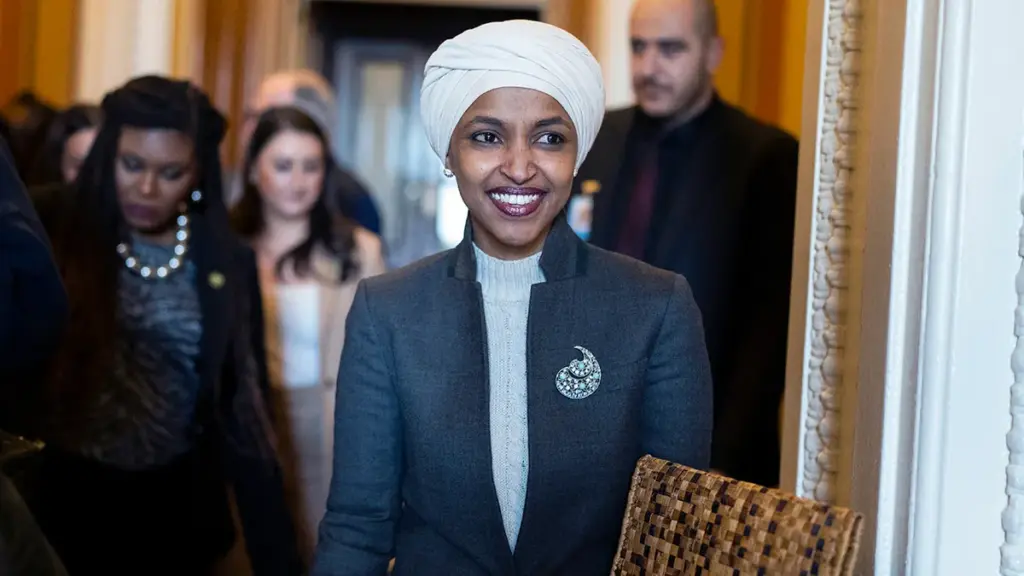
Amid the expanding investigation, public discussion has included questions about Representative Ilhan Omar, a Democratic congresswoman from Minnesota, particularly regarding her support for pandemic-era nutrition legislation and disclosures related to her family’s financial growth.
Omar has not been charged with any crime, and federal authorities have not accused her of participating in or benefiting from the alleged fraud. Officials have emphasized that legislative support for programs later found to be abused does not, by itself, constitute wrongdoing.
Legislative Context
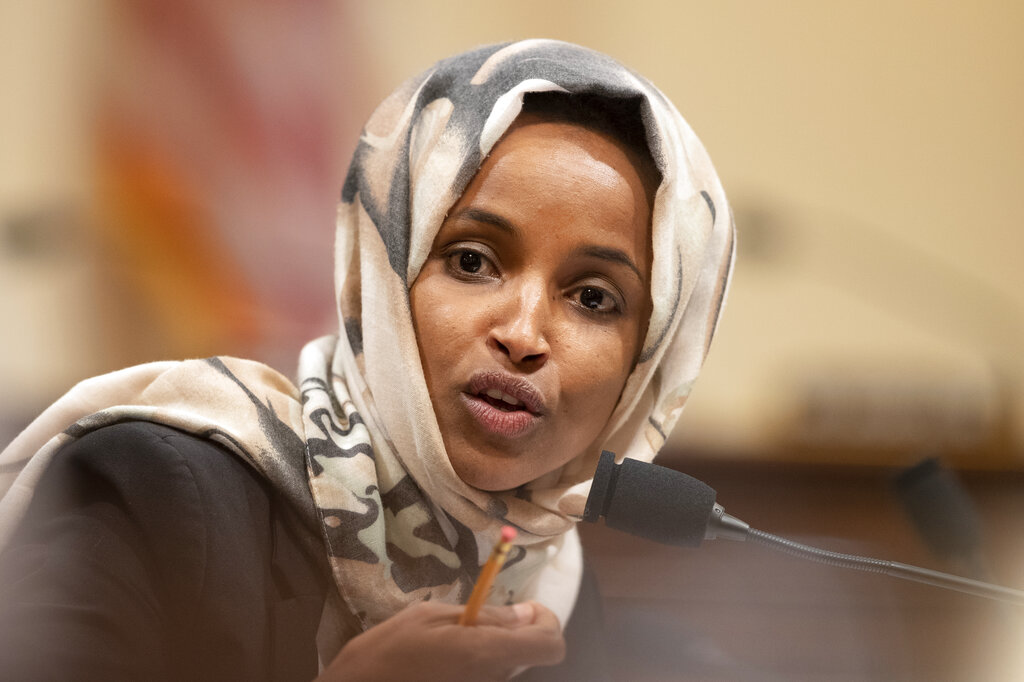
One law frequently mentioned in public debate is the Meals for Every American Learner Support (MEALS) Act, which Omar supported during the pandemic. The legislation aimed to expand access to child nutrition programs during school closures, allowing schools and affiliated organizations to provide meals to families facing disruption.
Omar has stated that her support for the measure was rooted in ensuring children had access to food during an unprecedented public health emergency. She has maintained that the law was well-intentioned, even as investigators examine how some organizations allegedly exploited expanded program flexibility.
Business Growth and Public Scrutiny
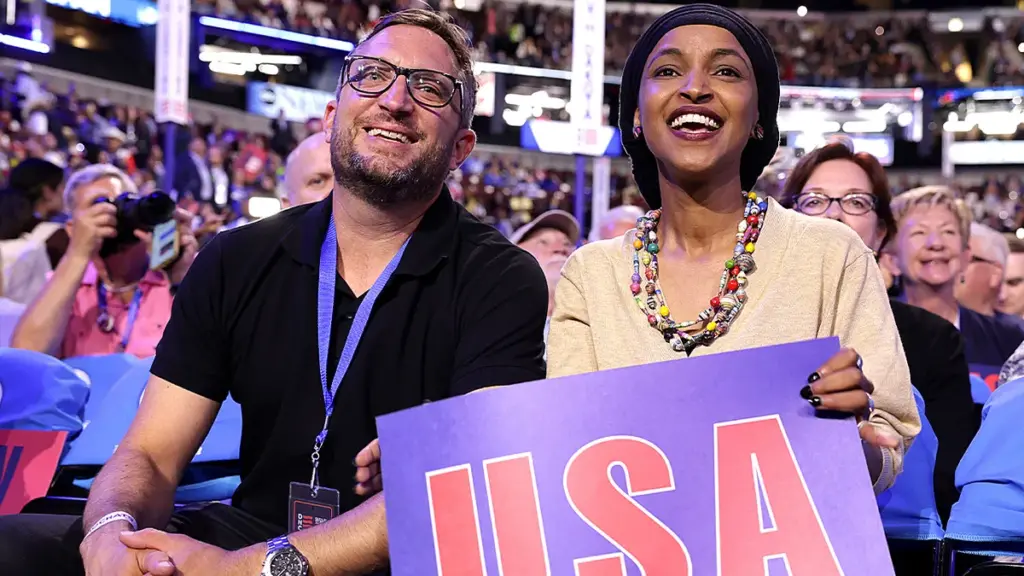
Attention has also focused on Rose Lake Capital, a consulting and venture management firm led by Omar’s husband, Tim Mynett. Founded in 2022, the firm reportedly experienced rapid growth in valuation, according to media reports. While this trajectory has drawn public interest, no charges have been filed against Mynett, and no evidence has been presented by authorities linking the firm to the alleged fraud.
Some media outlets have noted that references to prominent political figures previously listed on the firm’s website were later removed. Analysts suggest such changes may reflect standard business or communications decisions during periods of heightened public scrutiny, rather than evidence of misconduct.
What Authorities Are Saying
Federal officials, including FBI leadership, have described the investigation as extensive and complex, noting that publicly disclosed cases may represent only part of the overall scope. Investigators continue to trace financial flows, examine nonprofit structures, and review documentation to determine how funds were misused and who may be responsible.
Authorities have also emphasized that geographic proximity, campaign contributions, or prior public interactions do not imply criminal involvement. Each case is being evaluated based on evidence, not association.
Broader Policy Implications

The Minnesota case has prompted renewed discussion about the challenges of administering emergency relief programs. Rapid deployment during crises can reduce administrative barriers for families in need, but it may also increase vulnerability to abuse if oversight mechanisms are insufficient.
Policy experts say the investigation highlights the importance of transparency, independent audits, and robust monitoring systems to ensure public funds reach their intended recipients while maintaining public trust.
Looking Ahead
As the investigation continues, federal prosecutors and law enforcement agencies are expected to pursue additional charges where evidence supports them. At the same time, lawmakers and regulators are reviewing lessons from the pandemic to strengthen safeguards in future emergency programs.
While Representative Omar remains a focal point of political debate, no criminal allegations have been made against her. The case ultimately underscores broader questions about governance, accountability, and how governments can balance speed and oversight when responding to national emergencies.
For the public, the outcome may shape not only Minnesota’s political landscape but also national approaches to managing large-scale relief efforts in times of crisis.