
Disclaimer: This article is based on publicly available reports. Details may change as investigations and official statements are updated.
In September 2025, a fire broke out at the Singhadurbar complex in Kathmandu, Nepal. This historic building houses several government ministries as well as the national data center, which plays a key role in the country’s digital infrastructure. Early assessments indicate that the data center itself was not damaged, but the incident has highlighted the importance of safety and resilience in critical government systems.
The Incident and Immediate Response
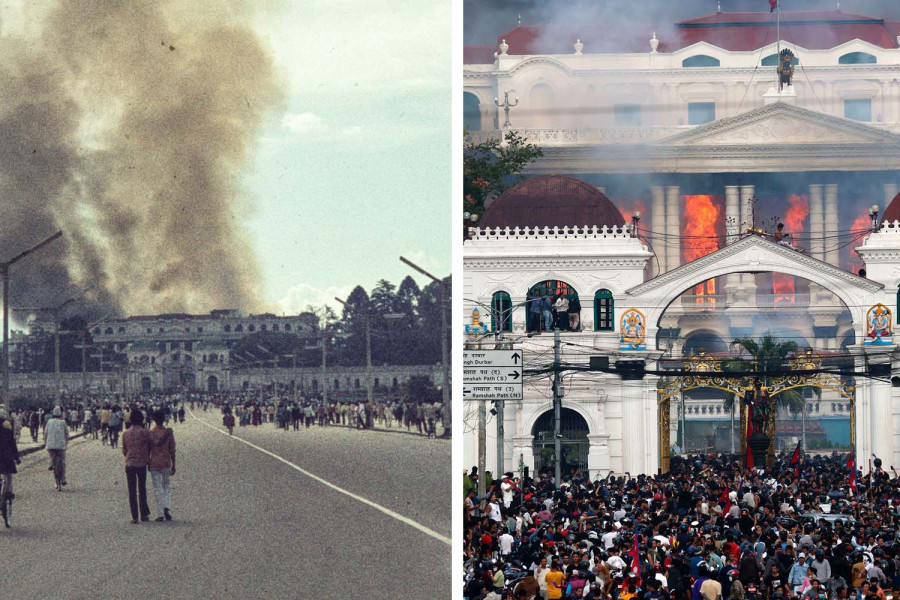
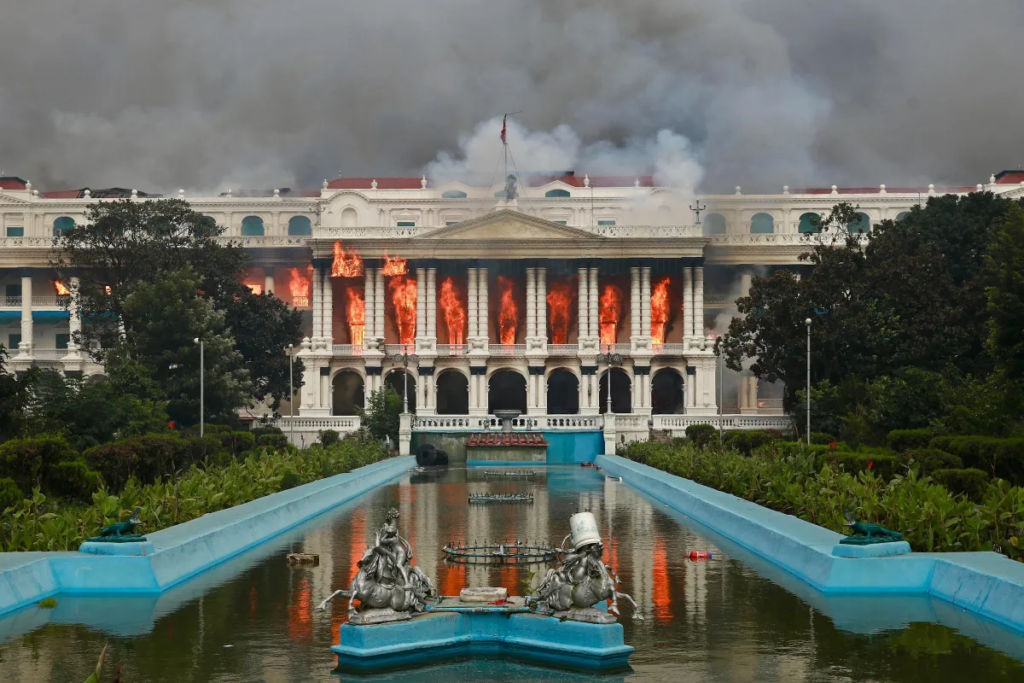
Officials and local media reported that the fire spread through parts of the Singhadurbar compound. Emergency response teams acted quickly to contain the blaze and protect sensitive facilities. Fortunately, the Singhadurbar Data Center remained unharmed, ensuring that key digital records stayed intact.
Despite this, the fire caused disruptions. Several ministries experienced damage to documents, archives, and workspaces, raising temporary concerns about public service continuity and potential data loss. Authorities reassured the public that core systems were secure, but the event highlighted the vulnerability of centralized government infrastructure.
Why This Fire Matters
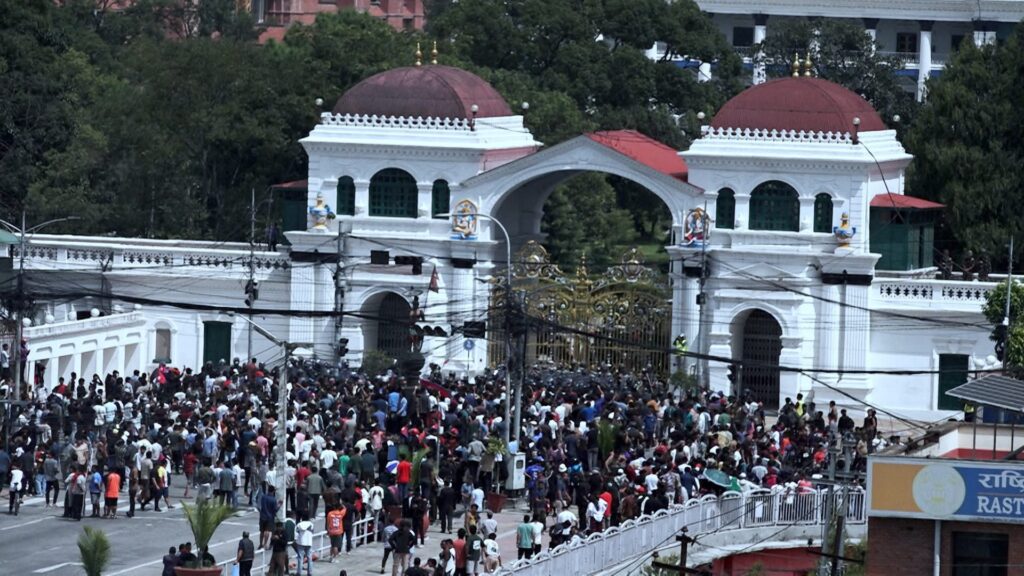
The Singhadurbar fire underscores the risks associated with centralizing important records in a single location.
- Vulnerability: Centralized facilities create a single point of failure, putting vital records and databases at risk if disaster strikes.
- Historical and Legal Records: Physical archives may contain irreplaceable documents. Fires of this scale emphasize the importance of preserving both digital and physical records.
- Public Trust: Citizens expect governments to protect sensitive information. Incidents like this can raise questions about existing safety measures, even if critical data is safe.
Lessons for Digital Resilience
The incident offers key lessons for improving government data security:
- Redundancy: Critical data should be stored in multiple, geographically separate locations.
- Prevention Systems: Fire detection, suppression technologies, and strict safety protocols can minimize risks.
- Disaster Recovery Planning: Regular drills, audits, and backup restoration exercises ensure preparedness.
- Hybrid Storage Solutions: Combining on-site servers with secure cloud backups adds resilience.
- Transparent Communication: Quick, accurate updates prevent misinformation and reassure the public.
Moving Forward
Nepal’s government now faces the task of strengthening infrastructure: assessing damage, repairing offices, modernizing fire safety systems, and reviewing data protection policies. This incident serves as a reminder for governments worldwide to invest in disaster preparedness, both for digital and physical assets.
Conclusion
While the Singhadurbar fire did not cause catastrophic damage, it highlights the vulnerabilities of centralized government systems. Protecting national data requires not only cybersecurity but also robust physical safety measures. The lessons from this incident can help governments worldwide enhance resilience, redundancy, and preparedness for future emergencies.