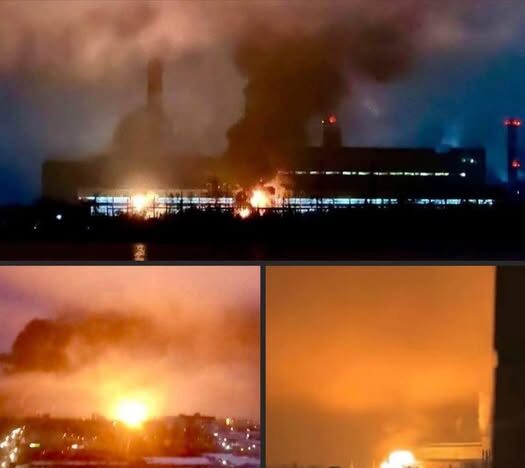
Humanitarian agencies are monitoring the situation closely. No civilian harm has been reported, but contingency plans are in motion. Aid groups are evaluating supply chains, vulnerabilities, and access routes in case conditions worsen. History shows that when diplomacy fails, ordinary people bear the brunt—families uprooted, livelihoods disrupted, communities thrown into uncertainty.
Governments urged citizens to remain calm and rely on verified sources. Social media misinformation has already fueled anxiety: false troop movements, fabricated videos, and exaggerated timelines. Authorities warned that reacting to unverified reports could amplify fear and create instability at a moment when clarity is critical.
Economists note immediate ripple effects even without war. Markets are volatile, commodity prices fluctuate, and investors reassess risk. Energy sectors, shipping routes, and global supply chains feel the tension first. Modern conflict isn’t confined to battlefields—its effects reach homes, wallets, and daily life worldwide.
At its core, this alert highlights a global order under strain. Alliances are being tested, power balances are shifting, and long-standing rules are challenged. Analysts call it a crossroads: a reset through cooperation, or a slide into fragmentation. The path forward depends on careful decisions by multiple nations under immense domestic and international pressure.
Despite the tension, diplomacy is far from exhausted. Channels remain open. Quiet, tense negotiations continue. The alert is about preparedness, not panic. It’s a recognition that in an interconnected world, instability in one region can ripple across continents.
For citizens, unease is natural. Memories of past conflicts and sudden escalations linger. Yet history also shows that restraint and dialogue can prevent disaster. In this moment, leaders must weigh long-term consequences against short-term posturing.
The world now waits, alert and uncertain. This is not the start of war—but it’s a stark reminder of how quickly tensions can escalate when trust falters. The coming days will be critical, and the choices made now could shape decades.
Stay informed. Stay calm. And remember: preparedness is about protection, not inevitability. How do you think the world can navigate moments of extreme tension safely? Share your thoughts below.