

Supporters argue that the measure is intended to prevent federally supported universities from engaging in discriminatory institutional practices. House Republicans described it as a way to address what they characterize as antisemitic boycotts while protecting academic exchanges with Israel.
Opponents have raised different concerns. Democratic Rep. Jerrold Nadler said he opposes the global BDS movement but nevertheless objected to linking certain university funding to institutional boycott policies. His office said the legislation could raise concerns involving political advocacy and academic freedom.
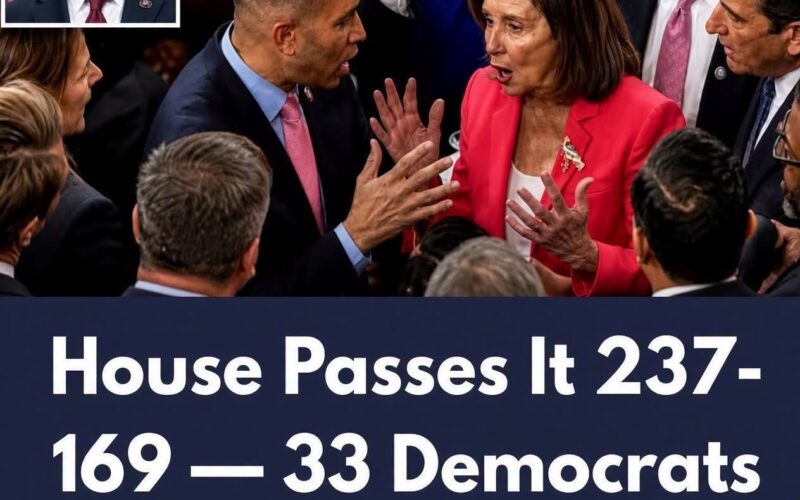
The House vote also highlighted differences within the Democratic caucus. Minority Leader Hakeem Jeffries, former Speaker Nancy Pelosi, and Rep. James Clyburn were among the Democrats voting against the bill, while 33 Democrats crossed party lines to support it. The official roll call confirms Jeffries, Pelosi, and Clyburn voted no.
The legislation has now moved to the Senate. It was received there on September 14 and referred to the Senate Committee on Health, Education, Labor, and Pensions, meaning it has not become law.
The debate surrounding H.R. 4795 reflects a broader dispute over where to draw the line between institutional policy, political boycotts, federal funding, academic exchange, and First Amendment concerns.
For universities and lawmakers, the next stage will depend on how the Senate considers the measure and whether the bipartisan coalition that supported it in the House can be maintained.