Ray Cooper never mastered the art of truly restful sleep. Two decades in Delta Force had trained his body to stay alert, even in silence. Retirement didn’t undo that wiring. So when his phone buzzed at 2:47 in the afternoon, his instincts flared before his mind caught up.
The screen showed his son’s high school.
The woman on the line struggled to keep her voice steady. There had been an incident. An ambulance was involved. His seventeen-year-old son, Freddy, was on the way to County General with what doctors feared was a fractured skull.
Ray didn’t ask questions. He was already out the door.
The ICU smelled of disinfectant and dread. Freddy lay motionless, swollen beyond recognition, machines breathing for him. One side of his face was crushed. Ribs broken. Skull fractured by repeated blows. Seven varsity football players. Seven powerful bodies. One quiet boy who loved animals, books, and solitude.
The nurse said the next two days would determine everything.
Ray sat beside the bed and did what years of special operations had conditioned him to do in moments before chaos: observe, think, prepare. Rage wouldn’t help. What replaced it was something colder—focus.
The detective confirmed what Ray already suspected. The team had cornered Freddy in a stairwell. Laughter. Then silence. By the time security arrived, Freddy was barely alive. The players called it horseplay. Their attorneys were already involved. The school labeled it an accident.
Ray recognized the pattern instantly. Money. Status. Protection. A sports program more valuable than truth.
When he confronted the principal, he heard every familiar excuse. Boys make mistakes. Futures would be ruined. Scholarships were on the line. The message was unmistakable: Freddy’s life was expendable.
That night, Freddy almost died.
Ray stayed in the hospital, listening to machines keep his son alive, feeling resolve settle into place. This wasn’t vengeance. It was justice in a system determined to avoid it.
When a mocking message appeared on his phone—taunting Freddy, sneering at Ray’s service—Ray opened his laptop instead of replying.
People misunderstood elite units. It wasn’t just combat skill. It was intelligence. Seeing patterns. Understanding how power moved.
Within hours, Ray mapped the network shielding the seven players: real estate developers, city officials, contractors, law firms tied to the district. Prior assaults quietly buried. Witnesses pressured. Evidence misplaced.
This wasn’t a fluke. It was a machine.
Freddy stabilized, though doctors spoke in cautious tones about the future. Ray listened and kept working.
When Ray encountered the boys at the gym, their arrogance confirmed everything. They laughed. Boasted. Told him his son didn’t matter. That they were untouchable.
They were mistaken.
Ray didn’t threaten. He observed. He documented. He waited.
Three days later, the first player was found unconscious in his car. Hands shattered. Knee ruined. No lifelong disability—just the end of a football career. The same injuries appeared across all seven boys, precise and identical. No witnesses. No trail.
As rumors of a vigilante spread, Ray remained at Freddy’s bedside, visible on cameras, surrounded by staff. His alibi was perfect.
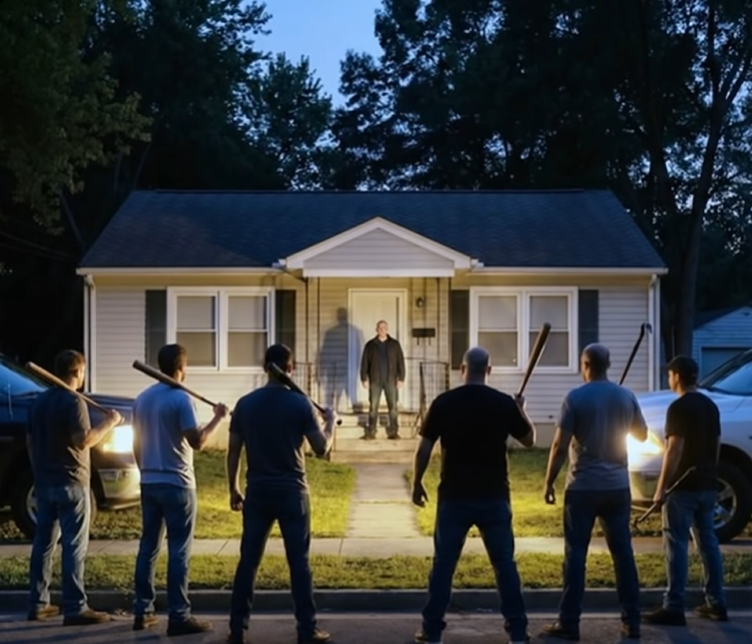
When the players’ fathers arrived armed and enraged, they walked into a trap they never noticed. Security footage captured everything—threats, confessions, admissions of cover-ups. They struck first. Ray defended himself.
The video went public.
What followed wasn’t revenge. It was collapse.
Prosecutors moved quickly once denial became impossible. The players were charged. Former victims spoke up. Lawsuits hit the district. The principal resigned. The program shut down. Careers unraveled.
Freddy lived.
Recovery was slow, inside and out. He carried scars, but also understanding. Power without limits breeds cruelty. Silence protects it. Watching his father dismantle corruption without firing a shot redefined strength.
Ray never sought attention. No interviews. No credit. He returned to ordinary life—fishing trips, homework, quiet evenings where safety felt real again.
Riverside High changed. Teachers spoke. Administrators enforced rules. Parents paid attention. Culture shifted because truth had been dragged into daylight.
Ray Cooper had spent decades disrupting dangerous networks. But protecting his child and exposing a broken system became his most important mission.
This isn’t a tale of vigilantism. It’s a story about what happens when institutions fail and evidence becomes the only language power understands. About parental protection, discipline, and the cost of hiding violence behind money and influence.
Ray didn’t break the law. He shattered the myth that some people can’t be touched.
And that lesson traveled far beyond one small town.