When he confronted the principal, he heard every familiar excuse. Boys make mistakes. Futures would be ruined. Scholarships were on the line. The message was unmistakable: Freddy’s life was expendable.
That night, Freddy almost died.
Ray stayed in the hospital, listening to machines keep his son alive, feeling resolve settle into place. This wasn’t vengeance. It was justice in a system determined to avoid it.
When a mocking message appeared on his phone—taunting Freddy, sneering at Ray’s service—Ray opened his laptop instead of replying.
People misunderstood elite units. It wasn’t just combat skill. It was intelligence. Seeing patterns. Understanding how power moved.
Within hours, Ray mapped the network shielding the seven players: real estate developers, city officials, contractors, law firms tied to the district. Prior assaults quietly buried. Witnesses pressured. Evidence misplaced.
This wasn’t a fluke. It was a machine.
Freddy stabilized, though doctors spoke in cautious tones about the future. Ray listened and kept working.
When Ray encountered the boys at the gym, their arrogance confirmed everything. They laughed. Boasted. Told him his son didn’t matter. That they were untouchable.
They were mistaken.
Ray didn’t threaten. He observed. He documented. He waited.
Three days later, the first player was found unconscious in his car. Hands shattered. Knee ruined. No lifelong disability—just the end of a football career. The same injuries appeared across all seven boys, precise and identical. No witnesses. No trail.
As rumors of a vigilante spread, Ray remained at Freddy’s bedside, visible on cameras, surrounded by staff. His alibi was perfect.
 Up Next: Page 3 of 3
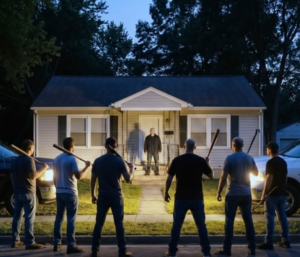
When the players’ fathers arrived armed and enraged, they walked into a...
The video went public.
Continue Reading