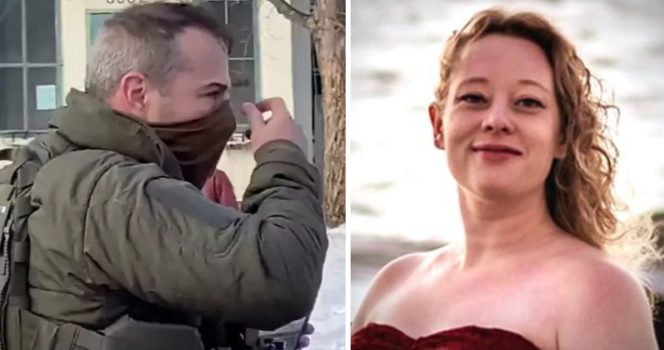
The Incident
On January 7, near East 34th Street and Portland Avenue in Minneapolis, Renee Nicole Good, a 37-year-old mother of three, was shot and killed during an encounter with federal authorities. Emergency responders arrived quickly, but Good was pronounced dead less than an hour later.
The shooting occurred just blocks from the site where George Floyd was killed in 2020, a detail that contributed to heightened public attention and renewed discussion about the use of force by law enforcement agencies.
According to an incident report cited by multiple media outlets, ICE agent Jonathan Ross discharged his weapon during the encounter. Federal officials later stated that the agent acted in self-defense, asserting that the use of force was necessary to protect himself and others at the scene. Ross has not returned to active duty while the incident remains under review.
Official Responses and Public Reaction
Following the shooting, officials within the Trump administration described Good as a dangerous individual, characterizations that were strongly disputed by local leaders. Minneapolis Mayor Jacob Frey publicly criticized the federal government’s language, calling for restraint and a more measured approach while investigations continue.
The incident sparked protests and renewed national discussion over federal law enforcement authority, accountability, and the role of ICE in domestic operations.
Fundraisers for Good’s Family
In the days after Good’s death, a GoFundMe campaign was launched to support her surviving family, including her wife and children. The fundraiser raised more than $1.5 million in under 48 hours and was voluntarily closed by organizers, who stated that the funds would be placed into a trust.
Organizers thanked donors and encouraged further charitable giving to other families in need.
Separate Fundraisers for the ICE Agent
Shortly after the family’s fundraiser closed, separate crowdfunding campaigns were launched in support of Agent Ross. One GoFundMe page and a second fundraiser hosted on GiveSendGo together raised more than $1 million, according to figures displayed on the platforms.
Supporters described the donations as assistance for legal expenses and personal support while Ross navigates potential investigations and legal proceedings. Organizers of one campaign stated they had been in contact with Ross and were coordinating the transfer of funds in accordance with his wishes.
Bill Ackman Defends Donation
The fundraising effort drew widespread attention after hedge fund manager and billionaire investor Bill Ackman confirmed that he donated $10,000 to one of the campaigns.
In a post on social media, Ackman said his contribution was intended to help ensure that Ross could afford legal representation, not as a statement on guilt or innocence. He also noted that he had attempted to donate to the fundraiser for Good’s family but was unable to do so because it had already reached its goal and closed.
Ackman emphasized the importance of due process, writing that determining criminal responsibility should be left to investigators, forensic experts, and the courts.
Ongoing Debate
The contrasting fundraising outcomes have fueled strong reactions across the political spectrum. Critics argue that donations to the agent risk normalizing or excusing excessive use of force, while supporters maintain that legal defense funds do not equate to an endorsement of violence.
Legal experts note that crowdfunding for individuals involved in high-profile incidents has become increasingly common, often reflecting broader social and political divisions rather than legal conclusions.
What Happens Next
Investigations into the shooting remain ongoing, and no final legal determinations have been announced. Authorities have stated that all available evidence will be reviewed before any decisions are made.
As the case unfolds, the situation continues to highlight broader questions about accountability, public trust in institutions, and the role of online fundraising in shaping public narratives around controversial events.