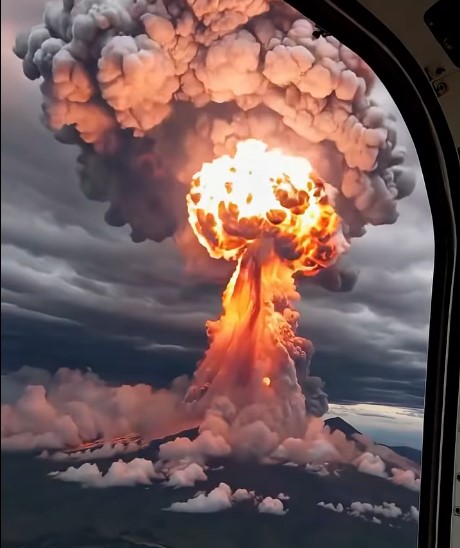
Iceland’s Reykjanes Peninsula is once again drawing global attention as volcanic activity continues to affect local communities and infrastructure. What started as a fascinating natural event for scientists and tourists has evolved into a serious concern for residents of nearby towns, including the fishing town of Grindavík.
Rising Seismic Activity and Early Warnings
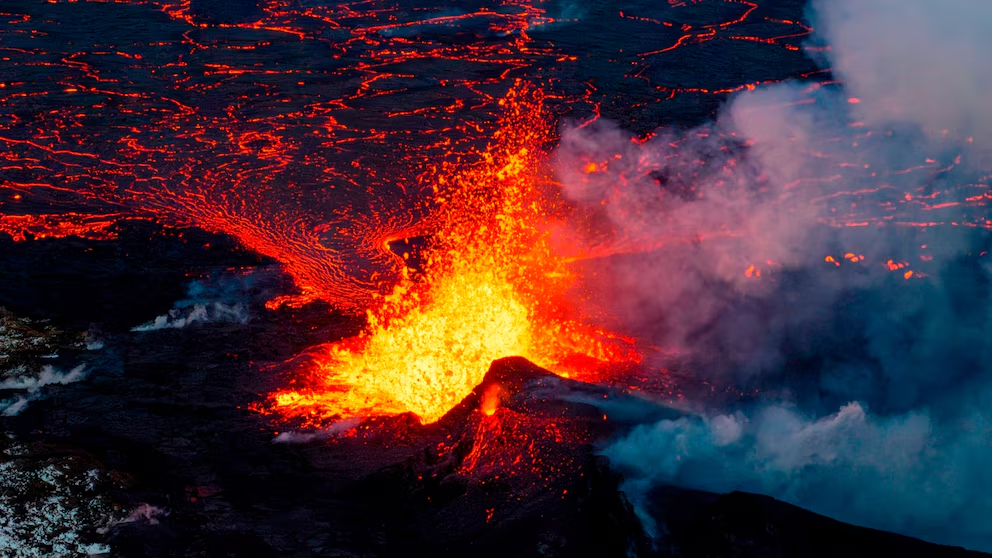
The Icelandic Meteorological Office recorded unusual seismic activity in late 2023, indicating magma accumulation beneath Grindavík, home to around 4,000 people. Authorities issued a precautionary evacuation, which later proved vital. In December 2023, a fissure eruption occurred about four kilometers northeast of the town. Although short-lived, the eruption highlighted potential risks for populated areas.
In January 2024, a subsequent fissure caused lava to reach the outskirts of Grindavík, destroying three empty homes. Early evacuation measures ensured no injuries occurred. Experts praised Iceland’s advanced monitoring system, which uses ground sensors, satellite imaging, and drones to track volcanic activity.
A Year of Frequent Eruptions
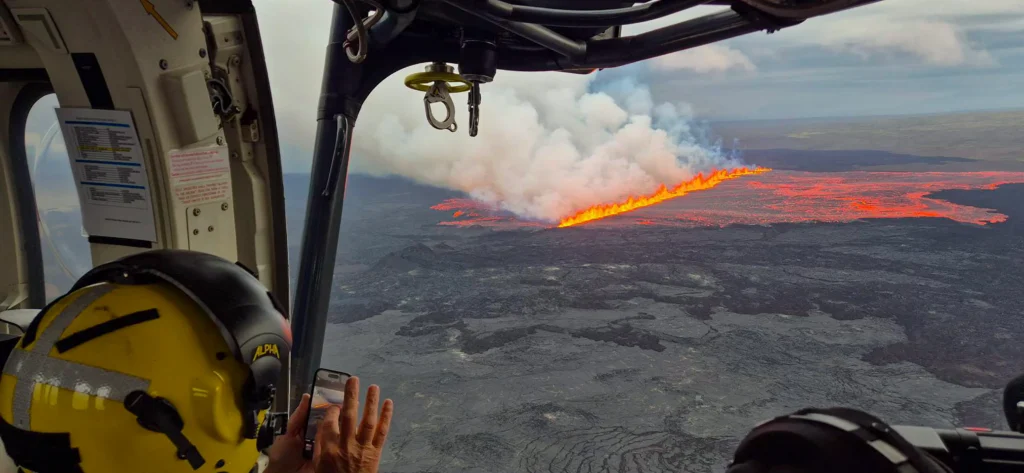
The Reykjanes volcanic system remained active throughout 2024, producing multiple eruptions:
- February 2024: Short-lived eruption under 24 hours
- March–April 2024: Two-month-long lava flow
- May 2024: 24-day lava fountain display
- August 2024: Two-week fissure eruption
- November–December 2024: Eighteenth-day eruption
While spectacular, these events disrupted daily life and required repeated evacuations.
2025 Eruptions and Safety Measures
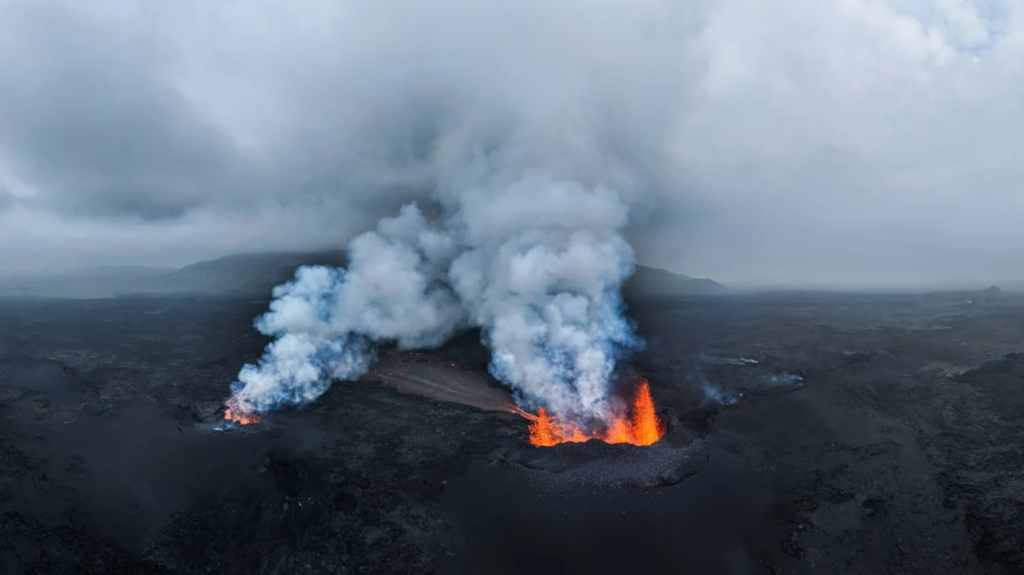
By 2025, the area experienced a continuing cycle of eruptions. On July 16, 2025, a new fissure opened near Litla-Skógfell Mountain, with lava flowing away from residential areas. Authorities evacuated nearby zones, including the Blue Lagoon Spa and local campsites.
Iceland’s government and the Department of Civil Protection maintain a coordinated response system, sending SMS alerts, running drills, and keeping emergency shelters ready. Roads near active zones are closely monitored for deformation caused by underground magma. Residents have grown resilient, understanding that preparation is key when living near volcanoes.
Why the Activity Is Happening
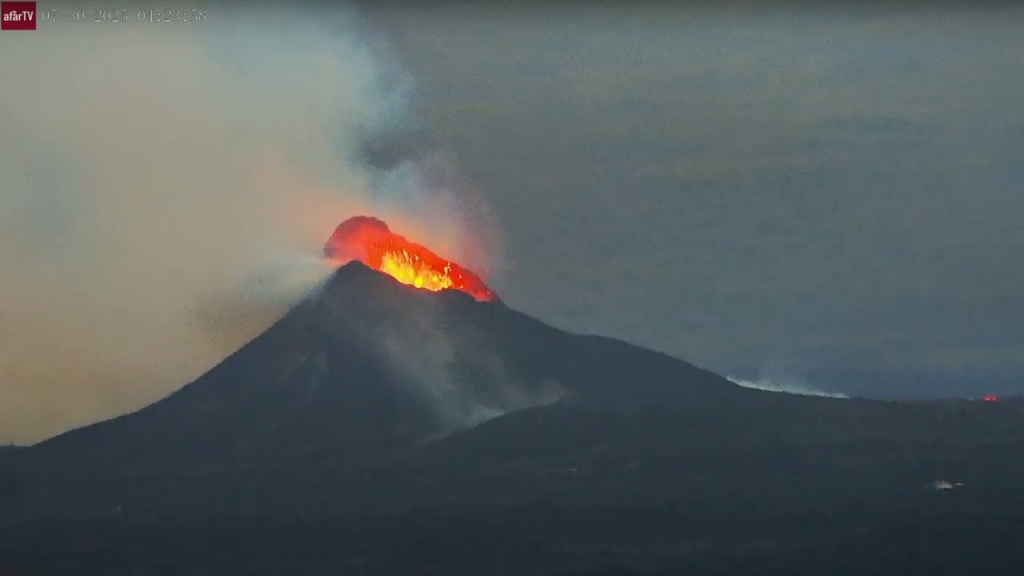
Iceland sits on the Mid-Atlantic Ridge, where the North American and Eurasian tectonic plates drift apart. This geological setting allows magma to rise, creating both new crust and periodic volcanic eruptions. Scientists note that the current cycle near populated areas is unusual, and smaller, frequent eruptions may continue for decades.
Looking Ahead
Although the latest eruption has ended, monitoring continues. Geologists warn that new fissures may open suddenly, but Iceland’s robust early warning systems, disaster preparedness, and public awareness programs minimize risks.
As a volcanologist from the Icelandic Civil Protection Agency said:
“Each eruption is both a threat and a teacher. The Earth is building itself in real time — it’s extraordinary.”
Sources:
Icelandic Meteorological Office | RÚV English News | University of Iceland Institute of Earth Sciences | BBC News