 News
News In His Final Moments, Inmate Makes a Last Request
In the U.S., at least 79 minors under the age of 14 are serving life sentences without the possibility of parole. That’s right — children barely out of elementary school locked away forever. It’s one of the most extreme and controversial practices in the American justice system, drawing outrage from human rights advocates both nationally and abroad.
Groups like Human Rights Watch and the Equal Justice Initiative (EJI) argue that such sentences defy fairness, decency, and science. Children are not fully formed adults — they are impulsive, influenced by their environment, and capable of growth. Punishing them as if they are beyond redemption, advocates say, contradicts the very principles of justice.
Behind the numbers lie heartbreaking stories. Many of these young people come from broken homes plagued by poverty, abuse, or neglect. Some committed crimes they barely understood. Yet under U.S. law, once tried as adults, their childhoods ended the moment they entered court.
A Case That Shocked the Nation
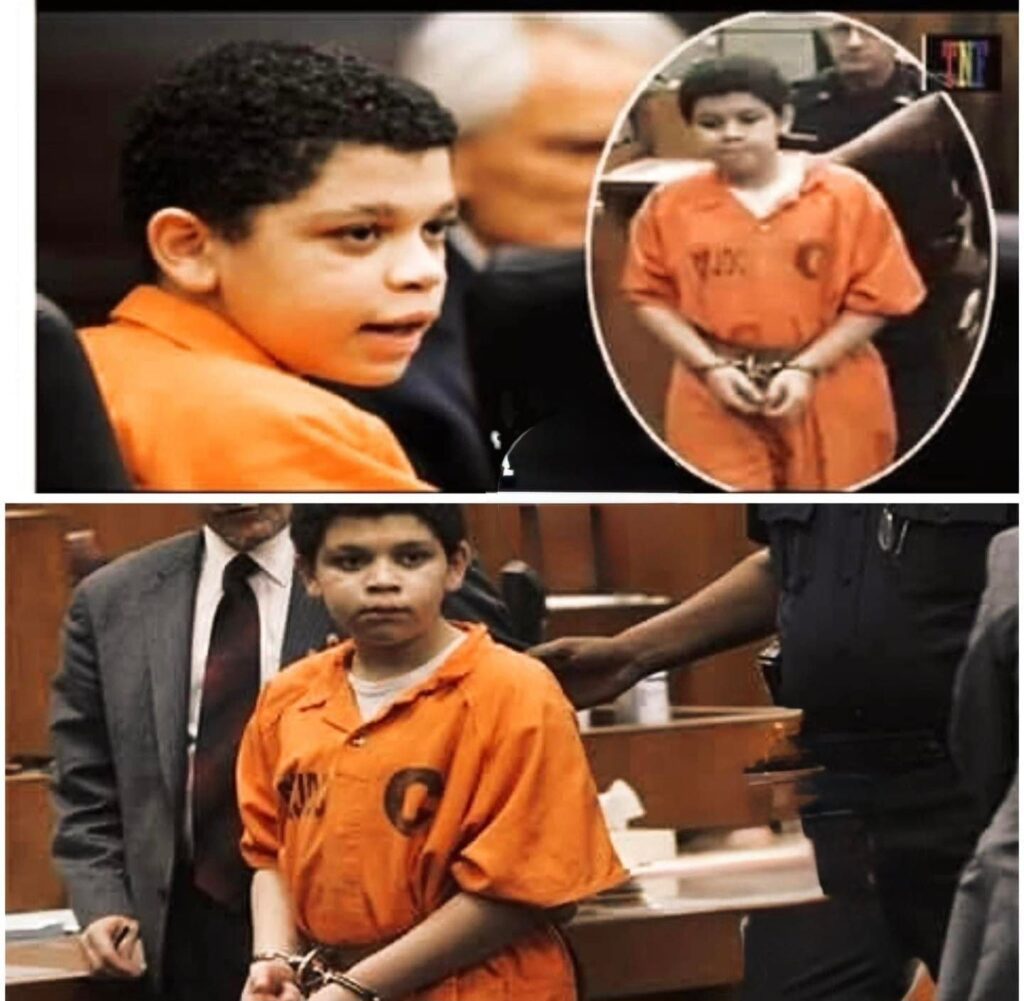
Lionel Tate was 12 when he accidentally killed a 6-year-old girl in 1999 during play that mimicked professional wrestling he’d seen on TV. Tried as an adult in Florida, Tate received life without parole — the youngest American ever sentenced to die in prison. Public outrage was immediate. After appeals and international attention, Tate’s sentence was eventually reduced, and he was released on probation in 2004. His case exposed a harsh truth: he was far from alone.
Hundreds of minors across the country have faced similar fates. Prosecutors argue that certain crimes — murder, armed robbery, violent assault — warrant adult treatment. But neuroscience tells a different story. Studies show the prefrontal cortex, which governs impulse control, empathy, and long-term reasoning, doesn’t fully mature until the mid-20s.
Supreme Court Interventions
Miller v. Alabama (2012) marked a landmark shift, ruling that mandatory life without parole for juveniles is unconstitutional. The Court highlighted that children are “constitutionally different from adults” and capable of change. Montgomery v. Louisiana (2016) made that ruling retroactive, offering thousands of juvenile lifers a chance at reconsideration.
 Up Next: Page 2 of 2
Progress, however, has been uneven. Some states embraced reform immediately. Others delayed,...
Bryan Stevenson, founder of EJI, says it plainly: “When we condemn a child to die in prison, we’re denying the very possibility...
Continue Reading