
This wasn’t about transformation for shock value. It was about authenticity.
Committing Fully to the Character
Barbara Weston is not designed to be likable. She’s sharp, exhausted, emotionally guarded, and quietly unraveling. Roberts approached the role with total immersion—emotionally and physically. Her wardrobe was intentionally plain, her makeup minimal, her hair unstyled. The stress and fatigue visible on screen weren’t hidden; they were essential.
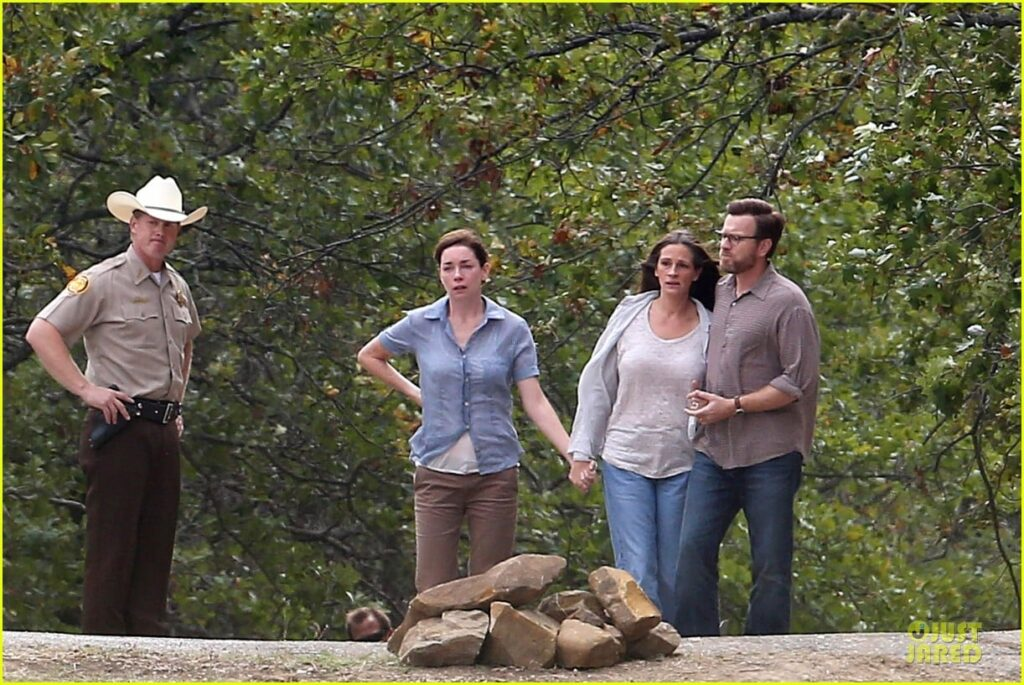
By rejecting glamour, Roberts redirected attention away from herself and toward the character’s inner conflict. Her body language, posture, and expressions conveyed years of emotional weight, making Barbara feel lived-in rather than performed.
The result was a version of Julia Roberts audiences weren’t used to seeing—grounded, raw, and inseparable from the story.
Serving the Story, Not the Spotlight
August: Osage County depends on emotional realism rather than spectacle. Its power comes from confrontation, silence, and unresolved pain. Roberts’ refusal to soften Barbara’s edges set the tone for the entire production.
Working alongside a formidable ensemble that included Meryl Streep and Ewan McGregor, Roberts didn’t compete for attention. Instead, she leaned into restraint. Her scenes relied on subtle reactions, uncomfortable pauses, and emotional honesty rather than dramatic flourishes.
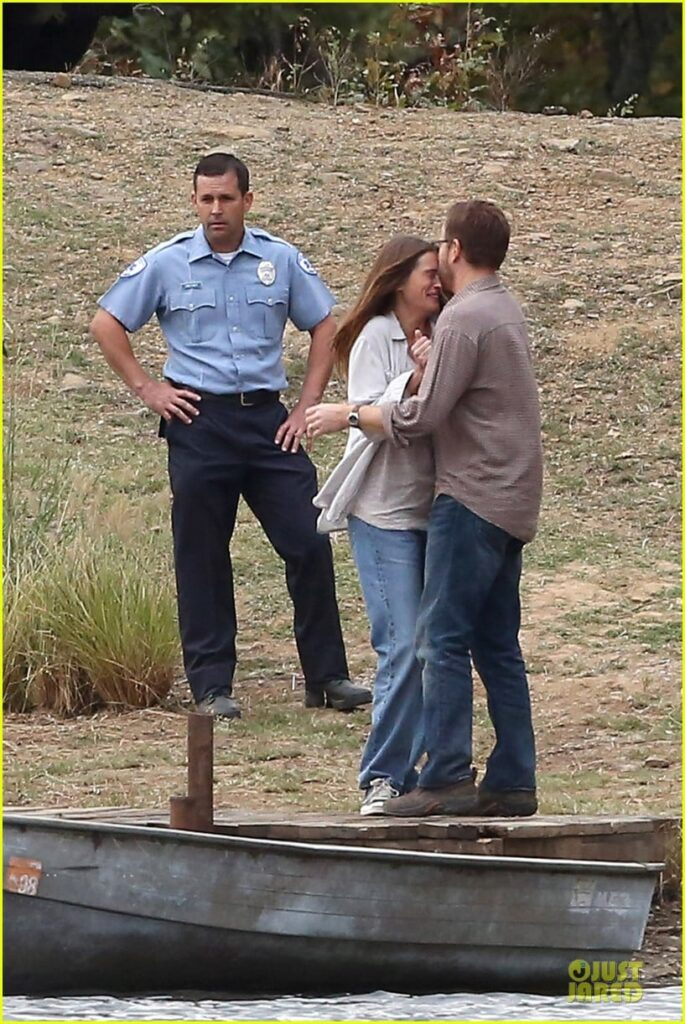
In scenes depicting a strained marriage, she allowed tension to simmer quietly, reflecting the kind of conflict that builds over years rather than erupting all at once. The performance felt intimate and unsettling in a way that rang true.
Emotional Risk Without Ego
Despite the intensity on screen, cast members later described a professional and balanced environment behind the scenes. Roberts was known for stepping out of character easily between takes, maintaining a sense of lightness during a demanding shoot. That balance—emotional vulnerability paired with discipline—underscored her experience as a seasoned performer.
As filming progressed, it became clear that her understated approach was central to the film’s credibility. She didn’t dominate scenes; she inhabited them. Sometimes abrasive, sometimes fragile, always believable.
A Career-Defining Choice
When the film was released, conversation quickly focused on performances rather than spectacle. Roberts’ transformation became one of the most talked-about elements—not because it rejected beauty, but because it embraced truth.
Critics praised her willingness to lean into Barbara’s flaws instead of making the character more approachable. Award nominations followed, reinforcing the impact of a performance built on risk rather than comfort.
More importantly, the role reshaped how her career was viewed. It signaled confidence, not insecurity—a willingness to prioritize depth over familiarity.
Why the Performance Still Matters
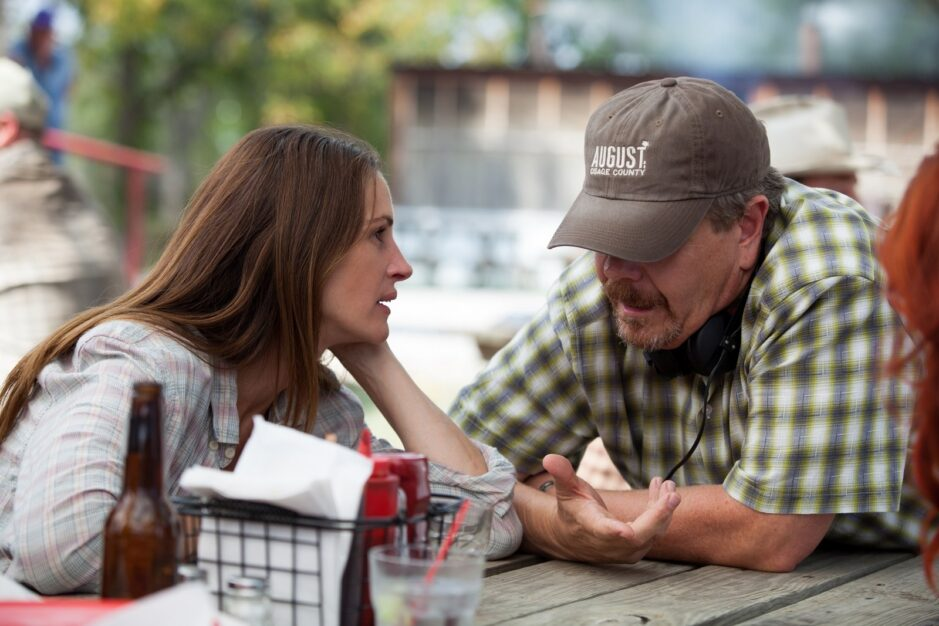
Years later, August: Osage County remains a reference point in discussions about career longevity, creative risk, and authenticity in Hollywood. Roberts’ choice to appear emotionally exposed challenged expectations placed on leading actresses, particularly around image and aging.
The performance endures because it isn’t tied to trends or spectacle. Its power comes from emotional precision and narrative purpose. By stepping away from her iconic persona, Roberts didn’t diminish her presence—she strengthened it.

The Bigger Picture
Julia Roberts’ work in August: Osage County stands as proof that reinvention doesn’t require reinvention at all—just honesty. By committing fully to a difficult character and trusting the audience, she demonstrated that vulnerability can be a source of lasting strength.
It remains one of her most respected dramatic performances not because it rejected glamour, but because it chose substance.
What’s your take?
Do you think actors should take more creative risks like this later in their careers? Share your thoughts and join the conversation.