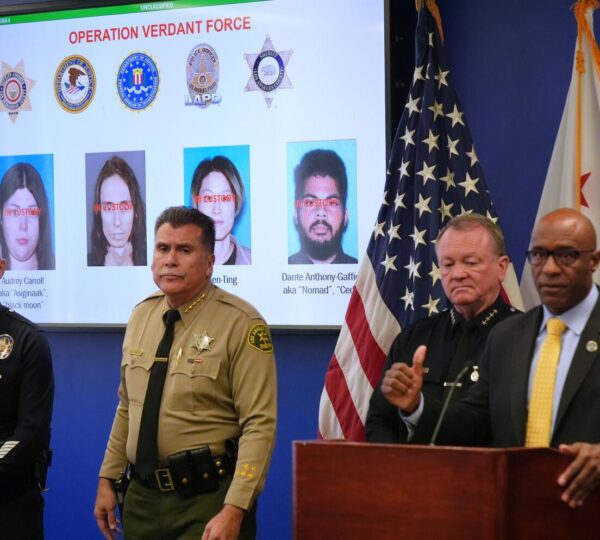
Operation Safe Christmas: Multi-Agency Enforcement in Illinois
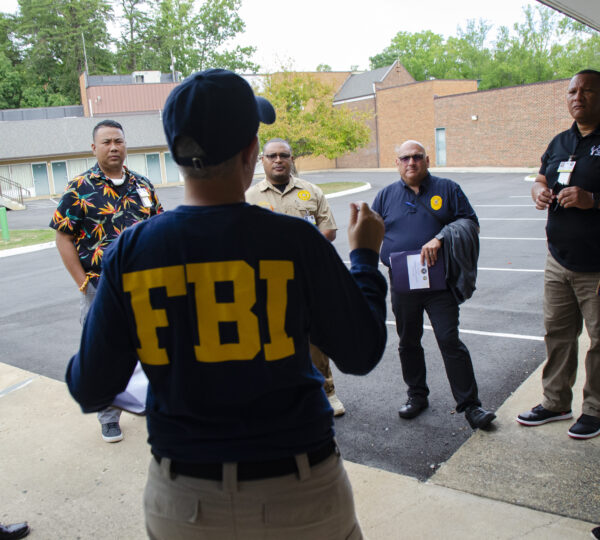
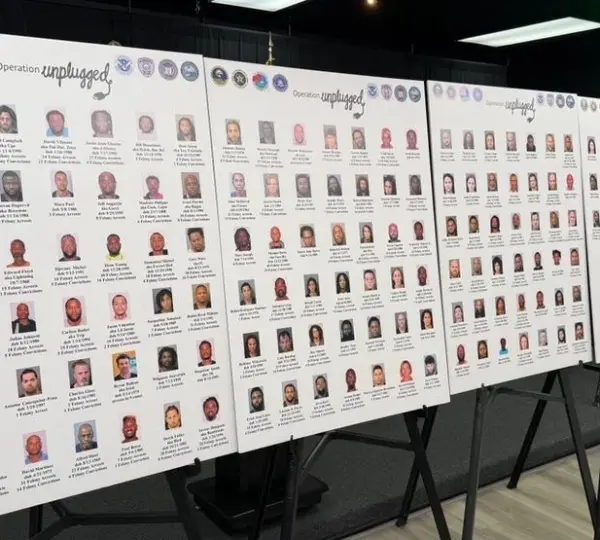
In mid-December, federal, state, and local agencies announced the results of a coordinated initiative known as Operation Safe Christmas, aimed at reducing criminal activity during the busy holiday season.
The operation brought together the U.S. Marshals Service for the Southern District of Illinois, the FBI’s Springfield field office, Illinois State Police, the Bureau of Alcohol, Tobacco, Firearms and Explosives, and the Drug Enforcement Administration. Over the course of one week, officials reported:
- 63 arrests on charges including drug offenses and outstanding warrants
- Approximately 2.5 pounds of suspected narcotics seized
- Roughly $15,000 in suspected illicit cash confiscated
Arrests were made across several Illinois counties, including Bond, Effingham, Fayette, Madison, and St. Clair, with additional arrests linked to individuals located outside the state.
Federal prosecutors said the operation was the result of extensive coordination and planning, with the goal of removing individuals accused of contributing to violent crime and illegal drug distribution.
Community Impact and Broader Context
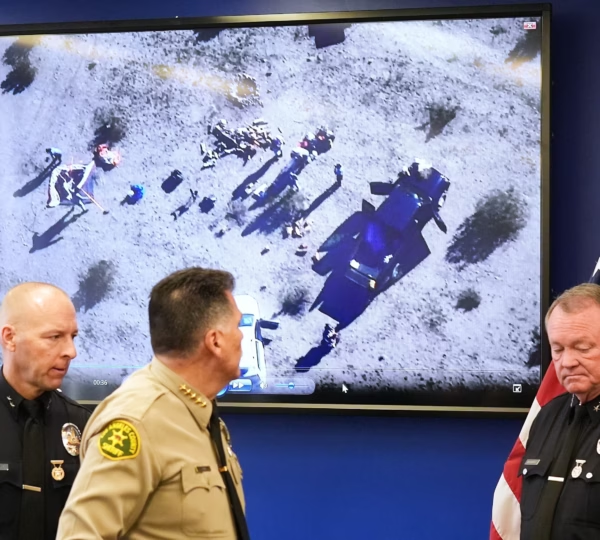
Officials framed the operation as part of ongoing efforts to improve community safety and deter criminal activity. Announcing the results publicly was intended to reassure residents during a time of year when concerns about safety often increase.
Similar multi-agency initiatives have become a common feature of federal law enforcement strategy, emphasizing coordination across jurisdictions to address crime networks that do not follow local boundaries.
Counterterrorism Investigation Prevents Alleged New Year’s Eve Plot
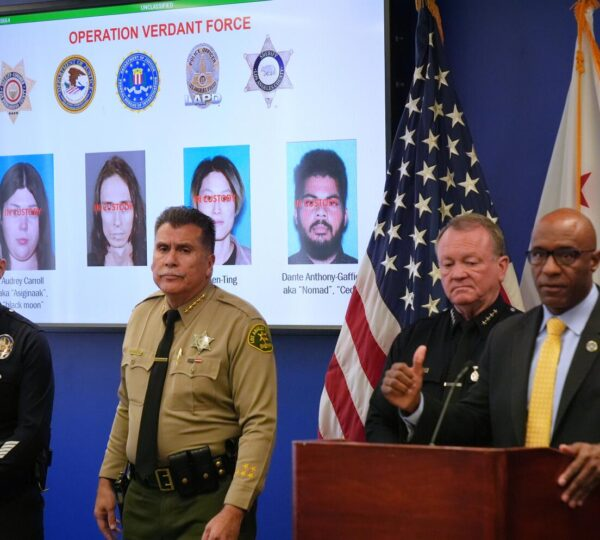
While Operation Safe Christmas received public attention, another law enforcement effort took place with far less visibility but potentially significant consequences.
Federal prosecutors announced that authorities disrupted an alleged extremist plot involving the construction of explosive devices intended for use on New Year’s Eve. According to court filings, multiple individuals were arrested in connection with the case following an investigation led by the FBI and its partners.
The defendants were charged with conspiracy-related offenses after investigators alleged they had taken steps to acquire materials and plan coordinated actions. Authorities emphasized that the investigation relied on surveillance, intelligence gathering, and interagency cooperation.
As with all criminal cases, officials stressed that the defendants are presumed innocent unless proven guilty in court.
Why Some Operations Are Public — and Others Are Not
Law enforcement experts note that public communication strategies vary depending on the nature of the investigation.
- Enforcement sweeps are often announced to deter crime and demonstrate visible action.
- Counterterrorism investigations are frequently kept confidential until threats are neutralized, in order to protect sources and ongoing operations.
The level of public attention does not necessarily reflect the seriousness of the threat involved.
The Role of Coordination
Both cases relied heavily on cooperation among federal, state, and local agencies. Such coordination allows authorities to share intelligence, track suspects across jurisdictions, and respond quickly when risks emerge.
Officials say this collaborative approach is essential for addressing both everyday criminal activity and more complex security threats.
A Broader View of Public Safety
These operations highlight how public safety efforts operate on many fronts at once. Some actions are designed to address visible crime concerns, while others focus on preventing incidents before they occur.
Although much of this work happens outside public view, officials say the underlying objective remains consistent: protecting communities, enforcing the law, and reducing the risk of violence.
As enforcement strategies continue to evolve, both visible and behind-the-scenes efforts remain central to maintaining public safety nationwide.