 Health
Living Liver Donation: Understanding the Risks and Rewards
Living liver donation is one of the most remarkable examples of medical science and human generosity working hand in hand. It allows a healthy individual to donate a portion of their liver to someone in need, often a family member, offering a chance at renewed life. This procedure is made possible because the liver is unique among human organs: it can regenerate, allowing both the donor and recipient to recover full liver function within months.
For many families, living liver donation transforms a desperate situation into hope. Patients on transplant waiting lists face long delays, and a living donor can provide life-saving treatment in time to prevent serious complications.
The Journey of Donors and Recipients
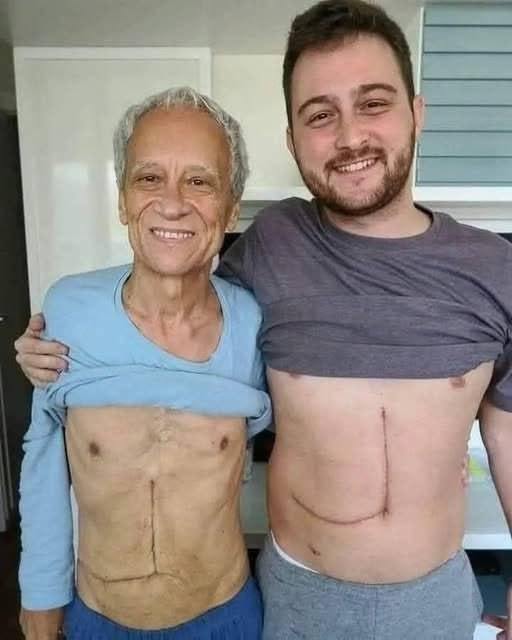
Consider a typical scenario: an adult child learns that a parent’s liver disease has become critical. After compatibility testing—which evaluates physical health, psychological readiness, and organ suitability—the child may step forward as a living donor. Once a match is confirmed, the surgery is scheduled.
During the operation, two surgical teams work simultaneously. One team carefully removes the portion of the liver from the donor, while the other prepares the recipient to receive it. Every step is carefully timed to ensure the organ remains viable. Successful surgeries are life-changing: the recipient often regains health and energy, while the donor experiences a profound sense of purpose in helping a loved one.
Recovery and Risks
Recovery for donors is a process that demands patience and care. Donors typically stay in the hospital for about a week and gradually rebuild strength over the following months. Common post-surgery symptoms include fatigue, mild pain, and limited physical activity, while more serious complications, though rare, may include infections or liver function issues.
 Up Next: Page 2 of 2
Medical teams emphasize careful monitoring and follow-up care to ensure donor safety....
Despite these challenges, studies show that most living liver donors consider the experience worthwhile. Many describe a profound sense of fulfillment and...
Continue Reading