For others, it was dismissed as theatrical provocation, amplified to stoke fear or justify crackdowns. The same image fueled opposing interpretations, each shaped less by verified facts and more by existing beliefs.
As commentary accelerated, context began to disappear. A single word pulled from protest language—repeated without explanation—was elevated into headlines and framed as an implied threat. Algorithms amplified the most emotionally charged interpretations, flattening nuance along the way. What may have originated as symbolic expression was quickly reframed as intent, even as basic questions remained unanswered.
Police unions and public officials responded by emphasizing concerns about safety and respect for institutions. Activist groups countered that symbolic protest was being deliberately mischaracterized to undermine dissent. Each side spoke with urgency, yet often past one another. The actual object at the center of the controversy faded from relevance. The box was no longer evidence—it became a canvas onto which competing narratives were projected.
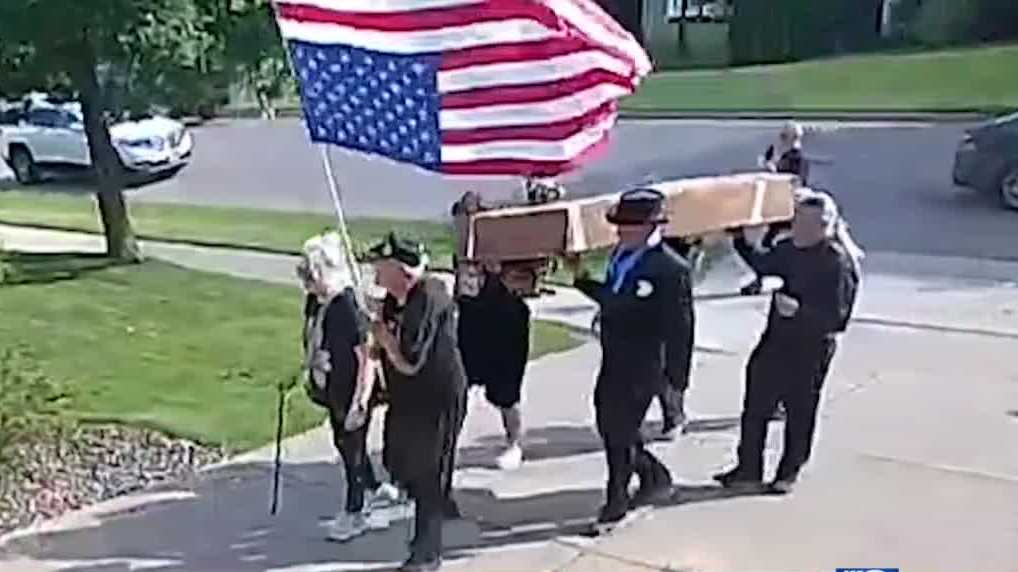
What stood out most was not the disagreement itself, but the speed at which conclusions formed. Interpretation raced ahead of verification. Symbols hardened before facts had a chance to emerge, and once fixed in public discourse, they proved difficult to soften or revise. Investigation continued, but largely in the background, overshadowed by reactions already locked into place.
The episode highlighted a deeper challenge facing cities and societies increasingly divided by distrust. When institutions, movements, and audiences assume bad faith as a default, even ambiguous gestures are treated as hostile. Protest becomes threat, authority becomes provocation, and symbolism is stripped of context. The shared language needed to distinguish between expression and danger begins to erode.
Notably absent from much of the debate was sustained attention to intent. Who placed the box? When? For what purpose? Satire, protest, provocation, or something else entirely? These questions briefly surfaced, then vanished beneath louder conclusions. Meaning was assigned before evidence was weighed.

After the box was removed, the cemetery returned to quiet. But the broader unease remained. What lingered was not clarity, but exhaustion—a sense that every incident now arrives pre-framed, every symbol pre-interpreted, and every response pre-aligned. Outrage, once a reaction, has become reflex.
The unresolved question is not about the box itself, but about the environment that allowed it to overshadow facts so completely. Can a deeply divided public still separate symbolism from threat, criticism from harm, and speech from action? Or has interpretation become so tied to allegiance that evidence no longer leads the conversation?
In the end, the object disappeared, but the mistrust it revealed did not. Not because of what was placed there, but because of how quickly it was used.