Lessons for Policy and Public Trust

Beyond the legal and administrative implications, the case has raised questions about public trust. Widespread reports of fraud can undermine confidence in government programs, making citizens more skeptical of emergency measures. Policymakers are now discussing ways to strengthen program design and ensure transparency, accountability, and equitable access.
Analysts emphasize the importance of distinguishing between legislative intent, administrative execution, and criminal misuse. Programs created to address urgent societal needs must be protected from exploitation, while still allowing timely support for those who rely on it.
Moving Forward
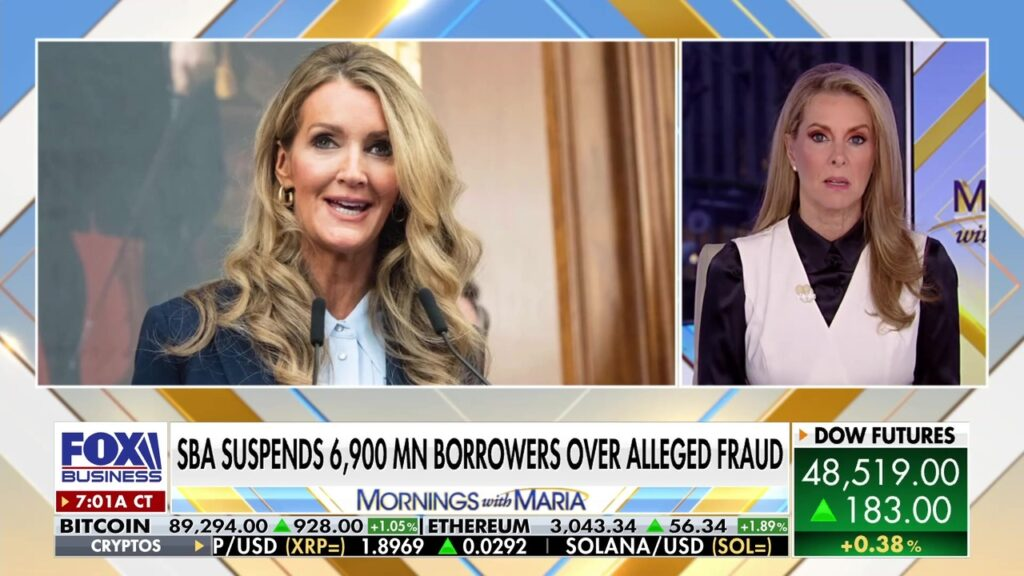
The Minnesota SBA fraud case serves as a reminder that even well-intentioned programs can face challenges when oversight mechanisms are insufficient. Federal investigations are ongoing, and outcomes from this case could inform reforms in emergency relief programs nationwide.
Key takeaways for future policy include:
- Stronger Verification Processes: Ensuring applicants meet eligibility criteria before funds are disbursed.
- Enhanced Compliance Oversight: Regular audits and monitoring to detect irregularities early.
- Clear Accountability: Transparent reporting and defined responsibilities for administrators.
- Public Communication: Clear messaging to maintain trust and demonstrate that fraud is being addressed.
As investigations continue, Minnesota’s case may act as a blueprint for evaluating the effectiveness and integrity of other emergency programs. By learning from these events, policymakers can strike a balance between rapid response and responsible oversight, safeguarding public resources while supporting those in need.
 Read Next Story →
Eric Trump Confirmed in New York City Update
More Stories You May Like
See More →
Shocking Verdict Karmelo Anthony Sentenced After Teen Football Star’s Tragic Death… See more

I Gave Up 22 Years of My Life Raising My Triplet Nieces—What They Did at Their College Graduation Changed Everything

Fans Are Mourning the Loss of NASCAR Champion Kurt Busch at 47? The Truth Behind the Shocking Claim
Harlan reads the actual filings, the full statements, the boring documents nobody else opens, and then writes what they say in plain English. He's covered politics through three administrations and has the same rule for all of them: report what happened, say what's confirmed, and don't guess at what's next.
More from Harlan →