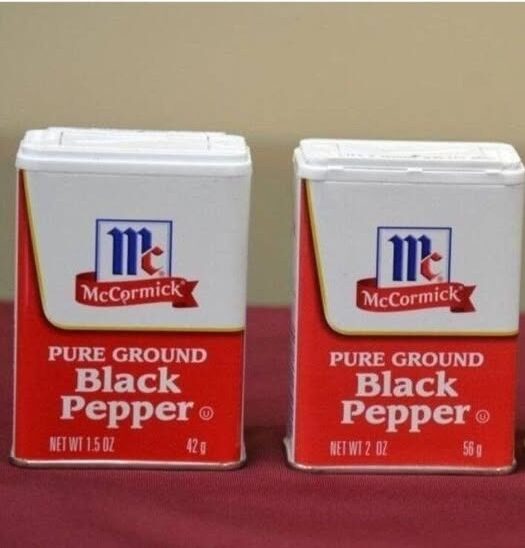
McCormick maintains that it has followed all labeling regulations and clearly discloses product weight. From a legal standpoint, compliance may be enough. But critics argue that companies understand consumer behavior well enough to know that “technically accurate” does not always mean “clearly understood.”
This case joins a growing list of lawsuits challenging what critics call “shrinkflation”—the practice of reducing product quantity without reducing package size. While not illegal on its own, the strategy becomes controversial when consumers believe they’re buying what they always have, only to discover later that the product has quietly changed.
Beyond the courtroom, the dispute highlights a deeper issue: trust. Brands don’t survive on compliance alone. They rely on long-term relationships with customers who believe they’re being treated fairly. Even small design decisions can chip away at that trust if shoppers feel misled rather than informed.
At its core, the McCormick–Watkins clash isn’t really about pepper. It’s about perception—and whether transparency should be judged only by what’s printed on a label or also by what packaging silently implies. In a retail world driven by speed and instinct, that difference can shape buying habits, brand loyalty, and eventually, reputations.
What do you think—should packaging be judged by legal accuracy alone, or by how consumers actually experience it? Share your thoughts below and join the conversation.