The Photograph
Inside the box was also a photograph.
It showed Mark standing beside an old oak tree.
On the back, he had written:
"This is where my father taught me how to keep going."
I had never seen the photograph before.
I knew Mark's father had died when Mark was young, but we had rarely talked about him.
Then I found another envelope.
Inside was a handwritten note explaining that Mark had spent months researching his family's history.
He wanted our daughter to know where she came from.
There were photographs, family stories, names, and small memories he had collected from relatives.
He had been building a family history for her because he knew he might not be there to tell it himself.
But There Was One More Secret
At the very bottom of the box was a sealed envelope.
Unlike the others, this one wasn't addressed to our daughter.
It was addressed to me.
I opened it carefully.
Inside was a single sentence:
"There is something I couldn't tell you because I was afraid you'd stop me."
My heart raced.
I kept reading.
Mark explained that he had discovered that one of the people who had once helped his family during a difficult period was now seriously ill and waiting for a transplant.
He didn't know whether his organs would ultimately be suitable.
But he wanted to make sure that, if they were, his decision to become a donor was understood as something deeply personal.
Not because he expected anything in return.
Not because he wanted recognition.
Because he believed that one person's loss might give another family more time.
The doctor later explained that organ allocation follows established medical and legal processes and that Mark could not simply choose a recipient.
That was important.
Mark hadn't arranged for his organs to go to someone he knew.
He had simply made his wishes clear.
The Gift I Never Expected
Weeks later, I gave birth to our daughter.
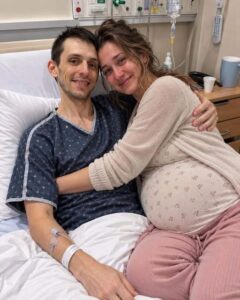 Up Next: Page 4 of 4
She was healthy.
The moment the nurse placed her in my arms, I thought about Mark.
Continue Reading