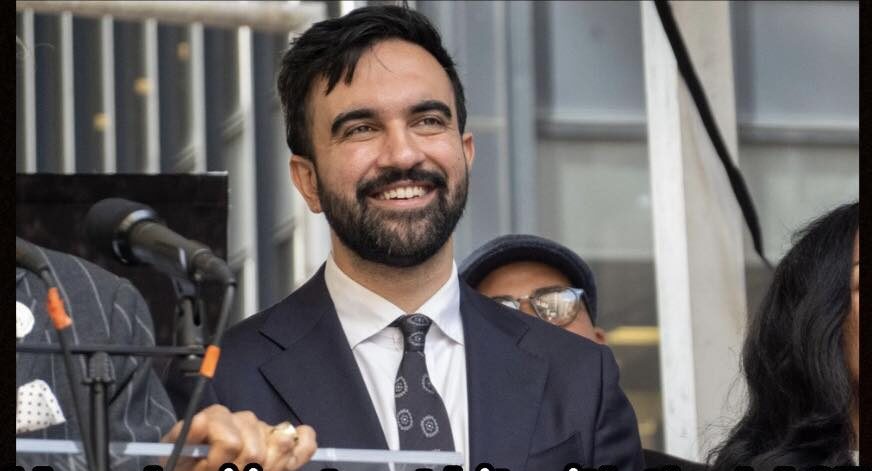
Zohran Mamdani had barely stepped into the mayor’s office when his first decision sent shockwaves far beyond New York City. Within hours, he moved to roll back several executive actions from his predecessor, Eric Adams. On the surface, it looked administrative—but in reality, it struck at one of the most contentious debates in modern politics: how antisemitism is defined, enforced, and separated from criticism of Israel.
Mamdani’s actions were swift and decisive. He rescinded the city’s formal adoption of the International Holocaust Remembrance Alliance (IHRA) definition of antisemitism and ended the city’s quiet adherence to the Boycott, Divestment, and Sanctions (BDS) movement boycott. The response was immediate and intense. Israel’s Foreign Ministry called the move “antisemitic,” warning it could embolden hostility toward Israel and Jewish communities worldwide.
The backlash wasn’t limited to international critics. Jewish organizations across the U.S. raised alarms, arguing that removing the IHRA definition eliminates a critical safeguard at a time when antisemitic incidents are on the rise. Many saw Mamdani’s actions as more than governance—they interpreted them as a symbolic signal to aggressive critics of Israel during a period of heightened global tension.
From Mamdani’s perspective, the accusations cut the other way. He argues that real safety for Jewish New Yorkers shouldn’t depend on a framework that many civil liberties advocates—and a growing number of progressive Jewish organizations—believe conflates legitimate political speech with antisemitism. Critics of the IHRA definition have long contended that some of its examples, particularly regarding Israel, risk stifling debate and activism, especially around Palestinian rights.
Continue reading on next page…