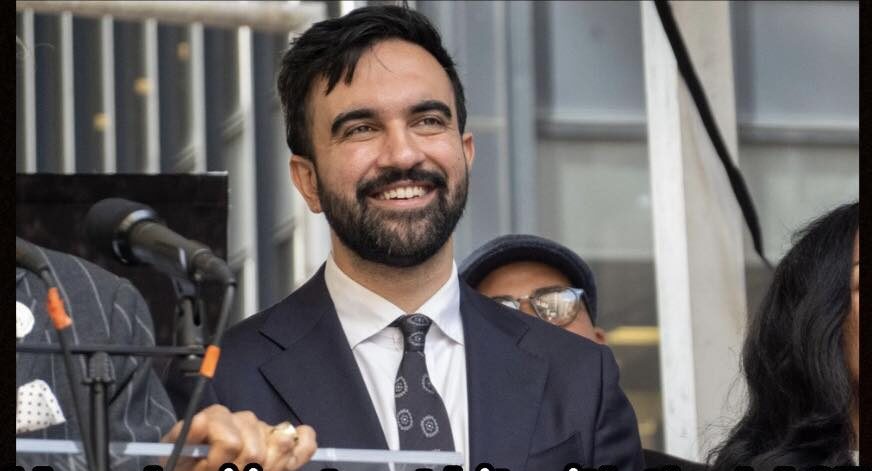
Under Mamdani, the city is shifting focus. Instead of relying on contested definitions, his administration emphasizes direct investment in hate-crime prevention, community security programs, and protections that apply universally. Funding is increasing for educational initiatives, rapid-response bias-crime units, and resources for vulnerable neighborhoods—including Jewish communities.
The move highlights a deeper ideological divide in progressive politics. For years, New York City sought to balance its large Jewish population with its role as a hub of left-wing activism. Under Adams, policies favored alignment with Israel and mainstream Jewish institutions. Under Mamdani, the city is charting a new course—one that prioritizes civil rights protections and universal security over internationally contested definitions.
The global response underscores the stakes. From Jerusalem’s perspective, the IHRA definition is a key tool in fighting modern antisemitism, especially where anti-Israel sentiment overlaps with anti-Jewish hostility. New York City’s reversal, symbolic and highly visible, was interpreted not just as a local decision but as a signal with international implications.
Locally, reactions are divided. Some Jewish leaders warn that removing the IHRA framework risks leaving communities less protected. Others, including progressive Jewish groups, support the decision, arguing that using antisemitism definitions to silence criticism of Israel undermines efforts to combat real hate.
Mamdani has walked a careful line: condemning antisemitism as real and dangerous while insisting that opposition to Israeli government policies shouldn’t automatically be labeled as anti-Jewish hatred. His administration frames the change as part of broader ethics and governance reforms, aiming to separate municipal policy from foreign policy litmus tests.
The political stakes are enormous. Mamdani must now prove that Jewish New Yorkers can feel safer—not less protected—under his approach. Every hate-crime statistic, every community interaction, and every policy rollout will be closely watched by supporters and critics alike.
This controversy also reflects a generational shift in politics. Younger progressives increasingly question traditional U.S.-Israel alignment and are more willing to challenge entrenched definitions of antisemitism. Older party leaders and institutional allies, by contrast, see these frameworks as hard-earned protections forged in the aftermath of historical trauma.
New York City is the testing ground. If antisemitic incidents decline and trust grows under Mamdani’s model, his approach could influence other cities and institutions grappling with the same tensions. If incidents rise, backlash will be swift and severe.
For now, the city sits at the heart of a global debate about identity, safety, and free expression. Mamdani has made his stance clear: protect communities through universal rights and targeted measures, not by adopting broad definitions that risk chilling political discourse. Whether this gamble strengthens the city’s social fabric or deepens existing divides remains to be seen—but the world is watching.
The first weeks of Mamdani’s leadership have proven one thing: bold choices in New York City reverberate globally, and how societies define hate without stifling debate is now at the forefront of international attention.
What do you think of Mayor Mamdani’s decision to roll back the IHRA definition? Share your thoughts in the comments below and join the conversation.