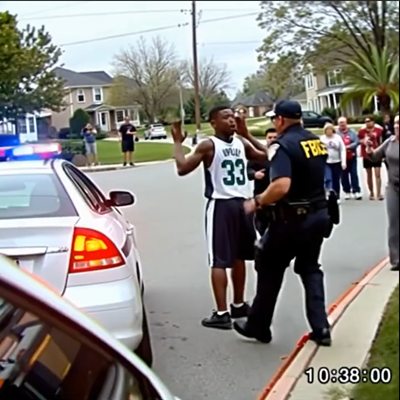
The mood inside the police precinct shifted the moment Special Agent David Carter walked through the doors. Only minutes earlier, the station had been filled with routine activity—quiet conversations, ringing phones, paperwork in motion. But Carter’s calm, focused presence brought everything to a halt.
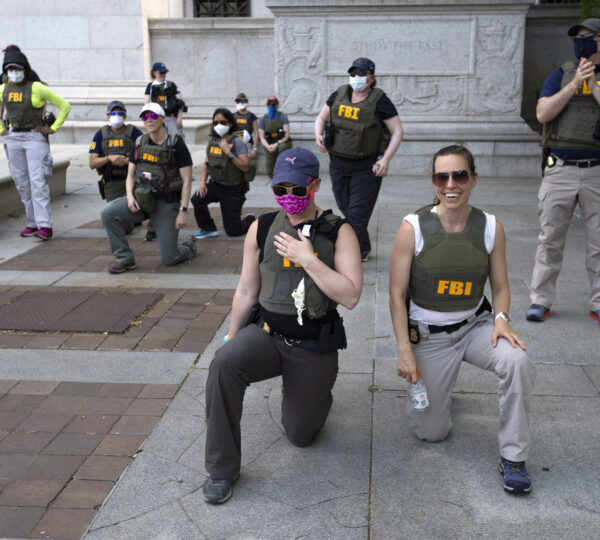
With nearly two decades of federal service, Carter was widely respected for his integrity and commitment to justice. He didn’t raise his voice or make dramatic gestures. He didn’t have to. His reputation alone commanded attention.
Across the room stood Jamal, his son, seated on a bench with his hands still restrained after an arrest that had drawn growing concern. Nearby, the officer involved stiffened as he recognized Carter’s credentials. The confidence he had shown earlier faded instantly.
This moment, however, was about more than one family.
“This isn’t just about my son,” Carter said evenly, addressing the room. “It’s about accountability, fairness, and ensuring that authority is exercised responsibly.”
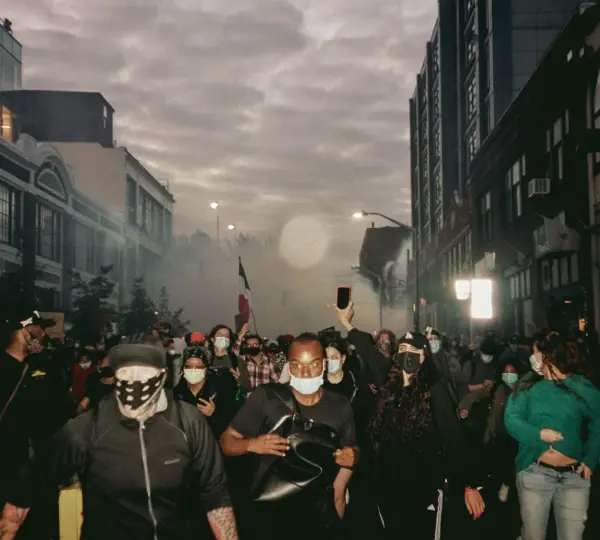
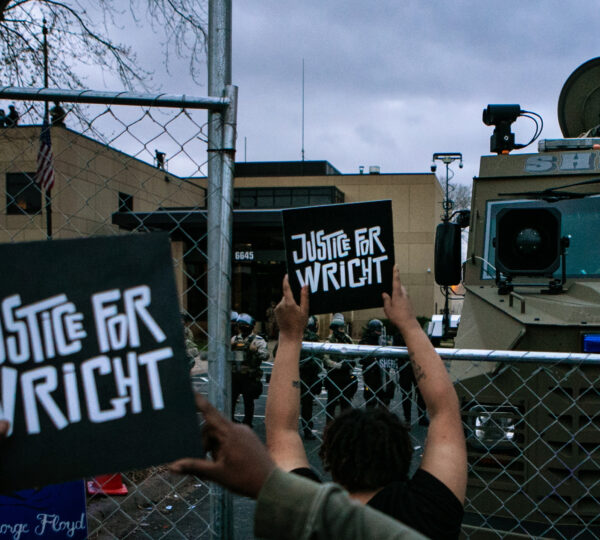
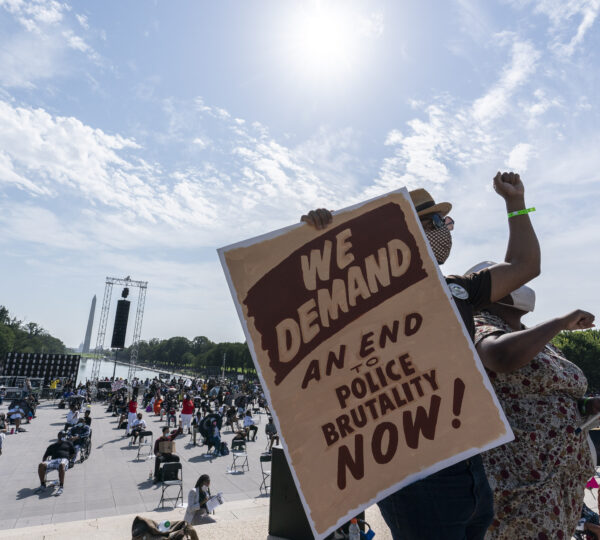
Supervisors moved quickly. Jamal was released, and an internal review was initiated. Outside, the situation was already gaining public attention after video footage of the arrest began circulating online. Community members gathered, calling for transparency and clarity about what had happened.
In the days that followed, the incident became a catalyst for broader dialogue. Civil rights advocates, community leaders, and local officials began meeting to discuss concerns about trust, training, and oversight. Carter participated not as a federal agent alone, but as a parent and a citizen invested in long-term solutions.
The police department announced steps toward policy review, additional training, and improved communication with residents. While not all issues were resolved overnight, the conversations marked a meaningful start.
Jamal, meanwhile, chose to speak openly about his experience. At schools and community forums, he shared what the moment felt like—and why it mattered.
“Not everyone has someone to speak up for them,” he said. “That’s why systems have to work fairly for everyone.”
His message resonated, especially with young people. What began as a difficult encounter grew into an opportunity for education, mentorship, and renewed civic engagement.
Change did not come instantly, and challenges remained. But something important had shifted. People were listening. Institutions were responding. And a community took steps—however gradual—toward rebuilding trust.
The story became a reminder that progress often begins when individuals choose to stand firm, speak clearly, and work together toward a more just and respectful future.