Production Woes: Time and Money
Planned for 81 days of shooting, production stretched to 140 days. The delay caused:
- Budget overruns
- Exhaustion among cast and crew
- Frustration from Curtis
A full-size replica of Rolling Stone’s NYC headquarters in LA added to costs, and Bridges’ meticulous approach didn’t save the final box office results.
Unexpected Highlights
One bright spot? Jann Wenner, co-founder of Rolling Stone, playing himself. Authentic, grounded, and surprisingly natural, his cameo gave the film a rare spark of realism amid its chaos.
The Meaning Behind “Perfect”
Curtis later explained:
“Perfect doesn’t mean flawless. It means having the freedom to be whoever you want to be.”
The film, at its heart, was about self-acceptance, personal agency, and standing up for yourself—a message lost amid its campy aerobics and awkward romantic beats.
Modern Legacy: Cult Classic Status
Today, Perfect is celebrated for:
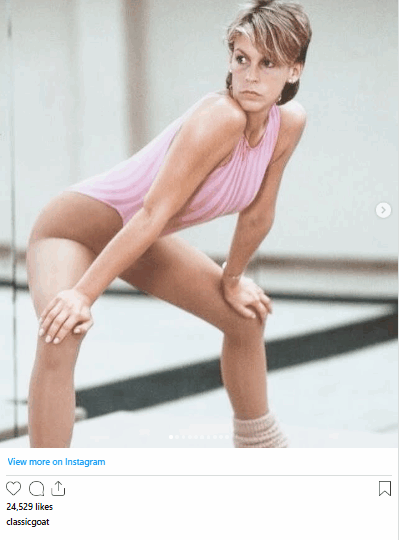
- Legendary aerobics sequences
- Its unintentional camp value
- Behind-the-scenes stories and Curtis’s candid reflections
- A nostalgic glimpse into 1980s fitness culture
- Sparking conversations about how actresses are filmed, edited, and represented
Even Quentin Tarantino called it “greatly under-appreciated,” praising Curtis’s performance and its unique charm. Curtis herself later recreated the aerobics scene with Jimmy Fallon, poking fun at the film’s eccentricities and proving she could laugh at the chaos nearly 40 years later.
Why Perfect Matters Today
Perfect may never be considered a masterpiece—but as a time capsule of ambition, misjudgment, and star power, it’s worth revisiting. The film raises meaningful questions about:
- The portrayal of women on screen
- Editing choices that alter tone and perception
- The gap between intention and execution in Hollywood
It’s more than a “so-bad-it’s-good” movie—it’s a cultural snapshot of 1980s media, celebrity, and fitness obsession.
What do you think? Was Perfect an awkward misfire, or a hidden gem waiting to be appreciated? Share your thoughts below and join the conversation!
 Read Next Story →


