Early Second-Term Approval: A Narrow Divide
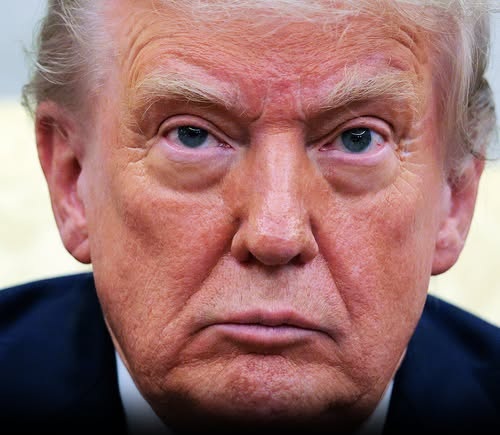
In the weeks following Trump’s second inauguration, national polls indicated closely divided public sentiment. Several surveys placed his job approval in the mid-40 percent range, with disapproval slightly higher, reflecting cautious and polarized views.
Polling organizations such as Reuters/Ipsos found that roughly four in ten Americans approved of Trump’s overall performance early in the term, while a narrow majority disapproved. Immigration policy stood out as a relative strength, with about half of respondents expressing approval of his approach to border enforcement, even as support weakened on economic matters.
Trade Policy and Tariffs: A Key Challenge
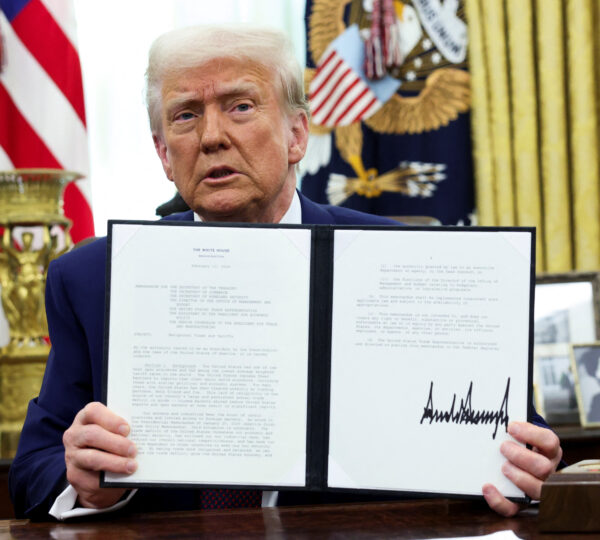
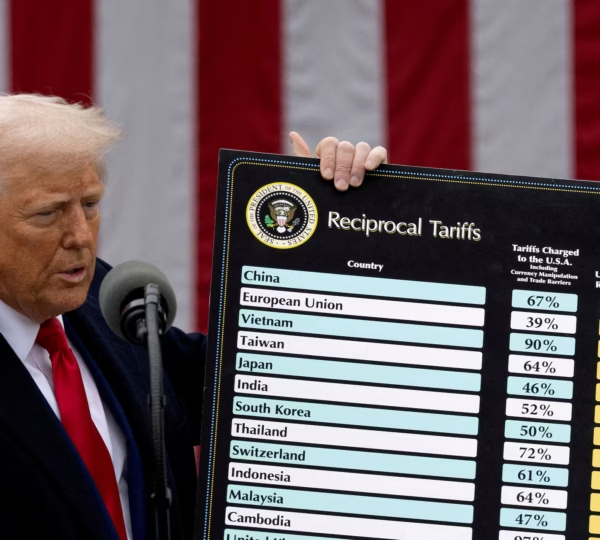
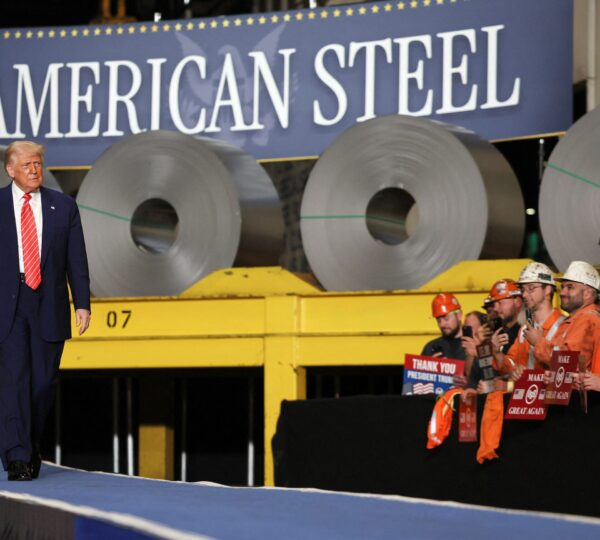
One of the administration’s most notable actions was the introduction of higher tariffs on steel and aluminum imports. While aimed at strengthening domestic manufacturing, the policy prompted retaliatory measures from major trading partners, increasing global trade tensions.
Public reaction to tariffs has been largely negative. Surveys from organizations including Pew Research Center found that close to six in ten Americans disapproved of tariff increases, while fewer than four in ten supported them. Other polls indicated that many Americans expect tariffs to raise consumer prices and negatively affect the economy.
Although Republicans are more likely to support tariff policies, opposition remains strong among Democrats and independents, contributing to overall skepticism of the administration’s trade strategy.
Economy and Cost of Living Concerns
Economic issues continue to weigh heavily on public opinion. While Trump’s supporters point to job creation and business growth as positives, national surveys show concern about inflation and household expenses.
According to economic polling, fewer than half of respondents approve of the president’s handling of the economy, with many linking tariffs to higher prices. Inflation and cost-of-living concerns have consistently ranked among voters’ top issues, limiting broader approval of the administration’s economic approach.
Overall Approval Trends in 2025
By mid-2025, Trump’s overall job approval has generally remained in the low-to-mid 40 percent range, with disapproval often exceeding approval by several points. Polling trends suggest stability within partisan groups but limited movement among independents.
Republicans largely continue to approve of Trump’s leadership and policy priorities, while Democrats overwhelmingly disapprove. Independent voters, a critical voting bloc, remain more divided and often express reservations about economic and trade policies.
Issue-Specific Ratings
Polling data highlights clear contrasts across policy areas:
- Immigration: Often receives higher approval than other issues, though support varies by survey.
- Economy and Trade: Tariffs and inflation concerns consistently draw higher disapproval.
- Federal Spending and Budget Cuts: Fewer than half of respondents approve, with concerns about potential impacts on public services.
What the Polls Suggest
The data indicates that Trump maintains strong loyalty among his core supporters, while economic uncertainty and trade policy challenges limit his appeal beyond that base. Public opinion remains deeply polarized, with few signs of broad consensus.
Conclusion
President Trump’s second term has unfolded amid significant policy changes and economic debate, producing mixed public reactions. While his supporters continue to back his agenda, national polling shows widespread concern about tariffs, inflation, and their impact on everyday costs.
Overall approval remains steady but divided, reflecting an electorate that is closely split and highly polarized. As economic conditions and trade relationships evolve, future polls will likely continue to shape assessments of Trump’s presidency and policy direction.