“The court greatly appreciates the president’s quick and definitive response to this court’s order and his desire to provide the necessary SNAP funding,” Judge McConnell wrote in a footnote to the ruling. The remark stood out for its emphasis on cooperation between the executive and judicial branches during an active legal dispute.
Importance of SNAP Funding
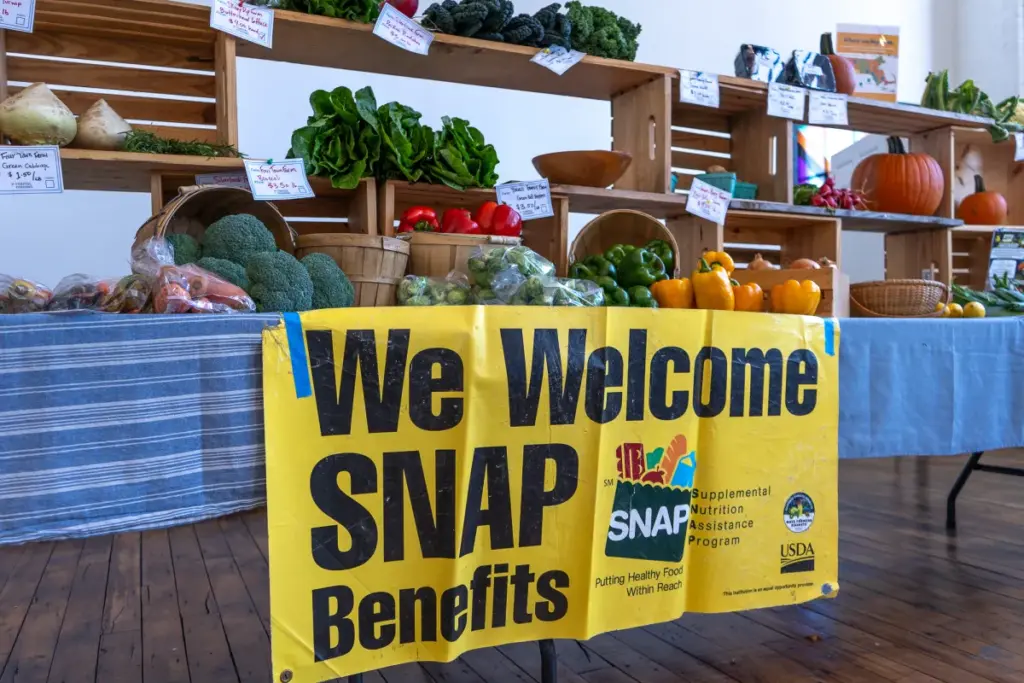
SNAP is a central component of the U.S. social safety net. Approximately 42 million Americans—about one in eight nationwide—rely on the program each month to help cover basic food expenses. Benefits are distributed electronically and are often essential for households with limited or fixed incomes.
Advocacy groups and state officials have long warned that even brief disruptions to SNAP payments can have immediate consequences, including increased food insecurity and added strain on food banks and local charities. Courts often give such cases expedited attention because of the potential impact on vulnerable populations.
Details of the Rhode Island Ruling
Judge McConnell directed the U.S. Department of Agriculture (USDA), which administers SNAP, to ensure that benefits were distributed within a specified timeframe. The order instructed the agency to issue full payments where possible or partial payments if necessary.
The ruling emphasized the existence of congressionally approved contingency funds designed to prevent interruptions to essential assistance programs during funding gaps or government shutdowns. Judge McConnell wrote that the circumstances met the threshold for deploying those funds.
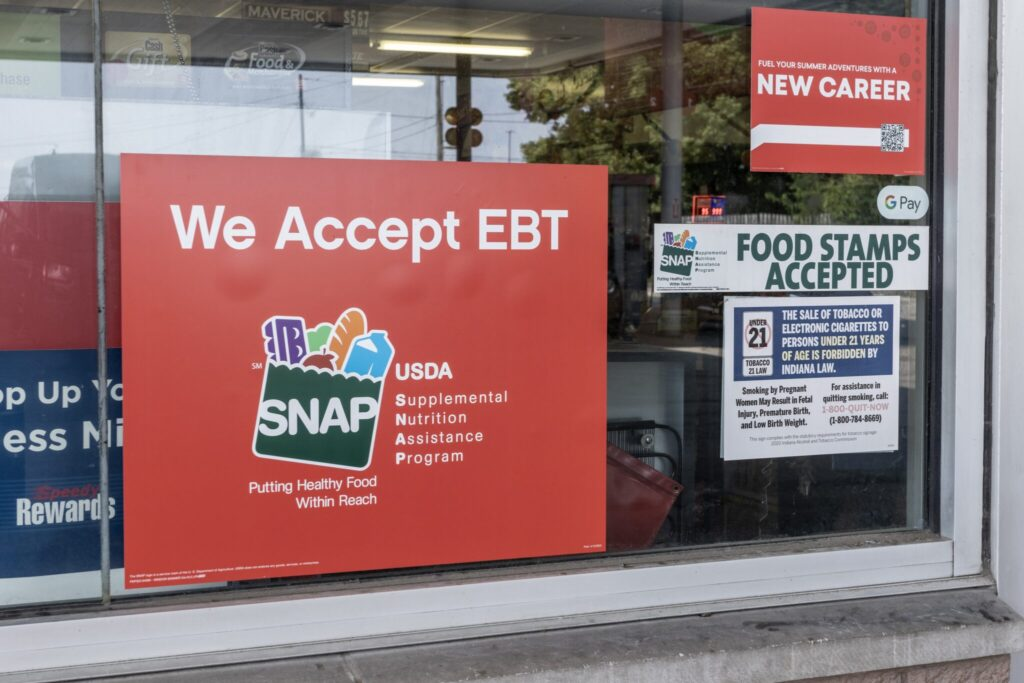
Dispute Over Legal Authority
The case highlighted a disagreement between the court and the administration over how contingency funds may be used. Agriculture Secretary Brooke Rollins stated that the administration interprets the law differently, arguing that such funds are available only under specific conditions outlined in statute.
According to the USDA, using contingency funds outside those conditions could raise legal and budgetary concerns. Judge McConnell countered that prior executive guidance, including policies issued during President Trump’s earlier term, suggested that contingency funds could be used to prevent SNAP disruptions during funding lapses.
Related Court Actions
The Rhode Island case is part of a broader legal landscape. In Massachusetts, U.S. District Judge Indira Talwani issued a similar ruling ordering the USDA to continue issuing SNAP benefits, finding that suspending the program would likely violate federal law.
Together, these rulings reflect a pattern of judicial intervention aimed at maintaining continuity in essential federal assistance programs during periods of political or budgetary uncertainty.
Political and Public Discussion
The SNAP funding dispute has also become part of a wider public debate. Some political analysts have suggested that messaging around potential benefit disruptions may produce mixed reactions among voters, particularly as discussions about government spending, eligibility, and fiscal responsibility continue.
Polling experts note that public attitudes toward assistance programs are evolving, especially among younger voters who are navigating rising living costs and economic pressures. While support for safety net programs remains broad, there is growing emphasis on transparency, efficiency, and long-term sustainability.
Looking Ahead
As legal challenges continue, SNAP remains at the center of a complex intersection of law, policy, and public need. Courts have temporarily safeguarded benefit distribution, but disagreements over statutory authority remain unresolved.
Whether the administration seeks further clarification from higher courts is uncertain. What is clear is that SNAP funding disputes carry significant implications—not only for recipients, but also for broader questions about governance, separation of powers, and the management of essential public programs during times of political uncertainty.