What Do Kamitetep Eat?
Kamitetep are opportunistic feeders, thriving in warm, humid spaces like attics, closets, garages, and basements. Their diet includes:
- Dust and lint
- Spiderwebs and dead insects
- Wool, silk, feathers, and fur
- Paper, cardboard, and plant debris
- Hair and skin flakes
Interestingly, they rarely eat cotton—but your rugs, stored clothing, and documents remain at risk.
Where to Spot Kamitetep
Common hiding places include:
- Linen closets and carpeted rooms
- Cardboard storage boxes
- Dark corners of attics and basements
- Light fixtures (adults are attracted to light)
The most obvious sign is the small, tubular cases clinging to walls, ceilings, or fabrics. Sometimes larvae can be seen partially emerging from their cases.
How to Get Rid of Kamitetep
Kamitetep don’t bite or spread disease, but they can damage property. Here’s how to control them:
- Deep Clean – Vacuum carpets, closets, upholstery, and hidden areas; discard vacuum bags immediately.
- Remove Cases – Pull off visible cases and dispose of them safely.
- Seal Entry Points – Caulk cracks, gaps, and window frames to prevent egg-laying.
- Control Humidity – Use dehumidifiers to make your home less hospitable.
- Insecticides or Professional Help – If infestations persist, consider chemical sprays or pest control services.
Preventing Kamitetep Infestations
The best defense is making your home less inviting:
- Declutter and clean regularly
- Store food and fabrics in airtight containers
- Dispose of scraps and dust promptly
- Reduce spiderwebs, one of their favorite snacks
Spotting a few doesn’t always indicate a full infestation, but vigilance ensures they don’t multiply.
Why Awareness Matters
While kamitetep don’t directly harm people, they quietly damage clothing, books, and furniture. Regular cleaning, monitoring, and preventive measures can keep these pests from turning your home into their buffet.
Keep your home organized, reduce humidity, and stay alert—these small steps can make a big difference in keeping kamitetep out.
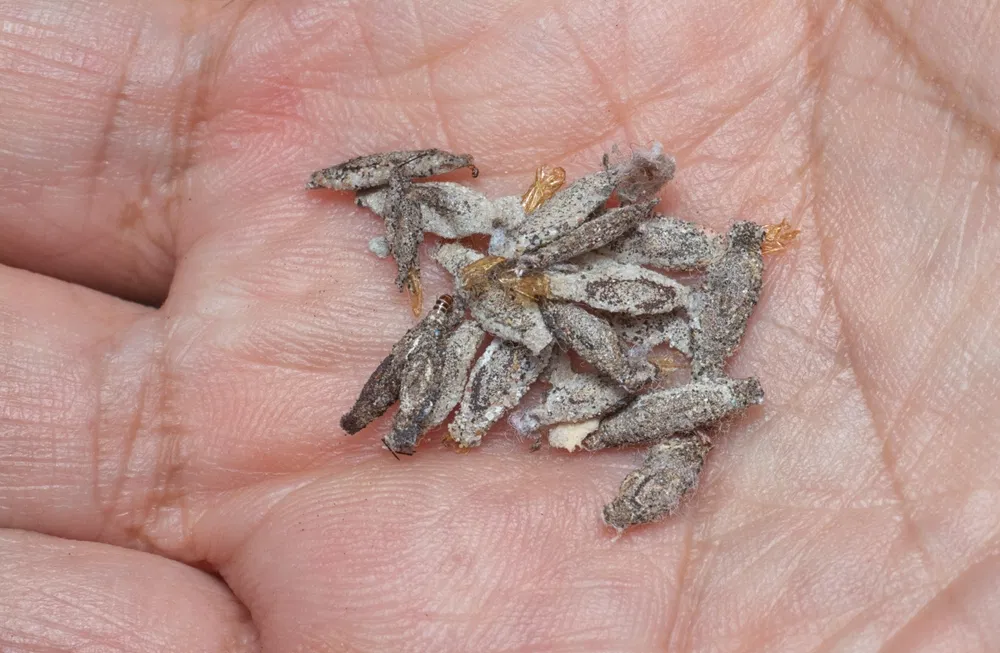
Have you ever spotted these tiny wall-huggers in your home? Share your experiences and tips in the comments below!
 Read Next Story →
Hidden Fangs in the Brush: Why Snake Identification Should Never Come Before Safety
More Stories You May Like
See More →


June has lived in the same farmhouse for 31 years and has seen every weird thing a house can do. She writes the "what is this thing and why is it in my house" beat from genuine curiosity, not a content calendar.
More from June →