TRICARE’s Role for Military Families
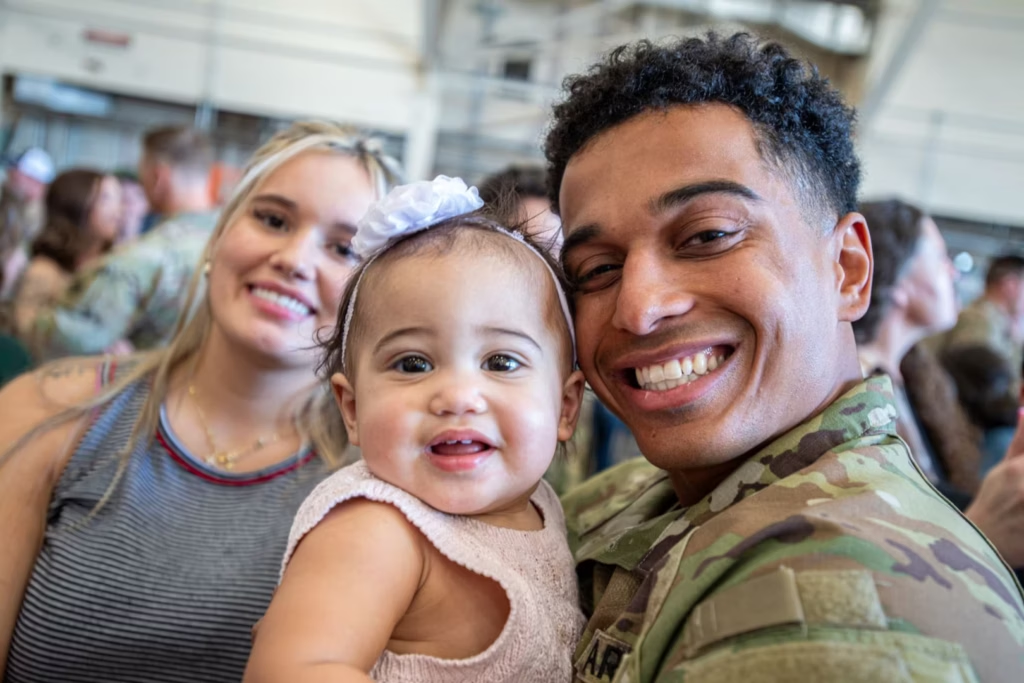
TRICARE provides comprehensive coverage, including access to civilian and military providers, prescription coverage, and specialized care for chronic conditions or disabilities. For families living near Joint Base San Antonio (JBSA) — which includes Lackland Air Force Base, Randolph Air Force Base, Fort Sam Houston, and Camp Bullis — TRICARE is critical to maintaining consistent access to care.
Delays in reimbursements caused by the shutdown have created uncertainty for providers and families alike. Clinics that serve children with developmental disorders, chronic medical conditions, or mental health needs report particular concern.
Financial Impact on Health Care Providers
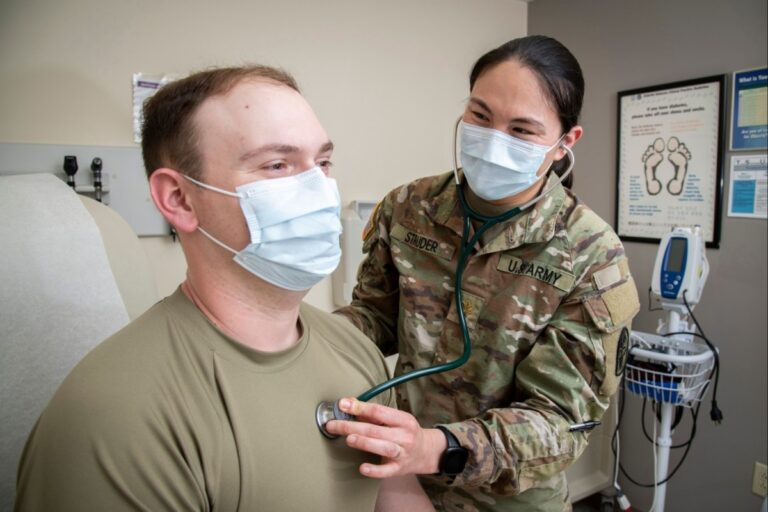
Local providers have shared the strain caused by stalled TRICARE payments. Dr. Britt Sims, Executive Director of Integrated Behavior Solutions, which serves children with developmental disorders, told reporters that cash flow delays are threatening her clinic’s operations. Similarly, Dr. Gia Koehne, owner of the Blossom Center for Children, noted that interrupted funding limits her ability to provide consistent therapy to children with autism.
Clinic administrators emphasize that financial stability is essential not only for operations but also for the continuity of care. Delays could disrupt therapy schedules, mental health support, and ongoing medical treatments that families depend on.
Legislative Impasse and Federal Guidance
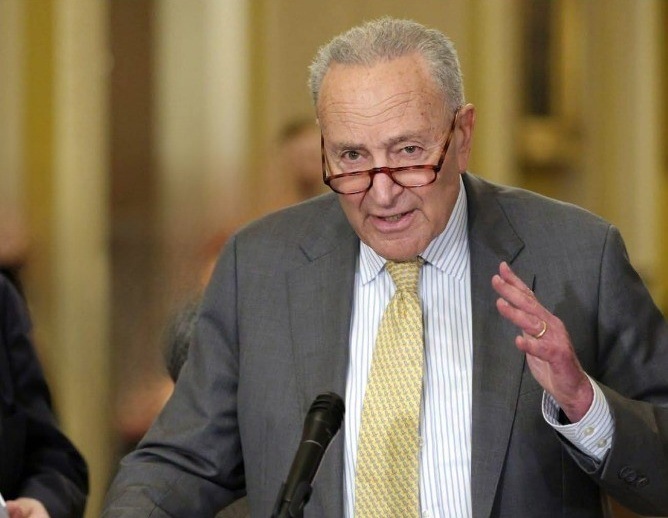
The shutdown results from a broader budget stalemate in Congress. While efforts to reopen the government continue, certain appropriations necessary for TRICARE reimbursements remain unresolved.
TRICARE has issued guidance stating that beneficiaries can continue to access care at military treatment facilities or through civilian providers, with standard out-of-pocket costs. However, claims submitted after October 1, 2025, may not be processed until funding is restored. The Defense Health Agency (DHA) is coordinating with providers to communicate anticipated delays.
Local and Community Responses
San Antonio officials, veteran organizations, and nonprofit groups are mobilizing to support affected families. City Council member Rebecca Martinez emphasized the need to ensure reliable access to care for military families, particularly those with specialized medical needs.
Clinics are adapting by offering telehealth appointments, prioritizing urgent cases, and collaborating with volunteers to maintain services during the shutdown. Families have also reported using virtual consultations to ensure continuity of care for children with ongoing medical needs.
Economic Ripple Effects
Beyond patient care, delayed TRICARE reimbursements affect suppliers, pharmacies, and local businesses that serve military families. Clinics dependent on predictable cash flow may face temporary closures, reduced staffing, or postponed medical supplies. In San Antonio, where the military significantly influences the local economy, the effects are compounded.
Reflections from Military Families
Parents have shared concerns about potential disruptions. One mother explained that even brief interruptions in therapy can feel like lost progress for children with developmental disorders. Despite these challenges, families have expressed gratitude for providers’ dedication.
Local clinics report that community support and creative adaptations have helped maintain services, demonstrating resilience amid uncertainty.
Looking Ahead
Policymakers, health experts, and community leaders stress the need for measures to protect military families during future shutdowns. Possible steps include:
- Emergency appropriations to cover TRICARE reimbursements
- Improved communication between TRICARE, providers, and beneficiaries
- Partnerships with local nonprofits and hospitals to maintain services
- Contingency planning to prevent interruptions in care
Conclusion
The situation in San Antonio highlights the vital role of TRICARE and other federally funded programs in supporting military families. While the government shutdown has caused significant challenges, the response from providers, community organizations, and families reflects resilience, collaboration, and determination to maintain access to essential care.
Ensuring stability in military health services remains a priority, and lessons learned from San Antonio can guide future policy and preparedness efforts to protect families nationwide.