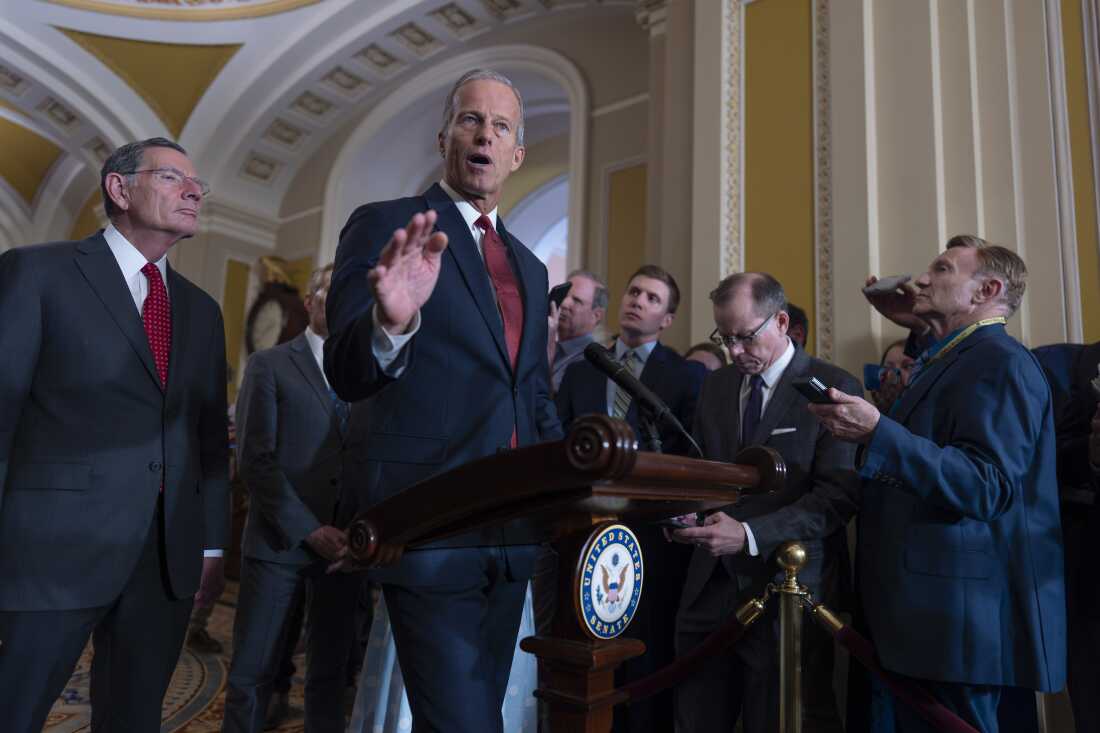
The Legislative Effort
Sanders introduced multiple Joint Resolutions of Disapproval seeking to block portions of a proposed $20 billion arms package. The resolutions focused on specific military items, including tank ammunition, mortar rounds, and precision-guidance components used to enhance conventional munitions.
The proposals were introduced in late 2024 and debated into early 2025. Sanders said the effort was intended to draw attention to humanitarian conditions in Gaza and to question whether U.S. weapons transfers align with American laws and values.
Each resolution was defeated by wide margins. One failed by a vote of 18–79, another 17–80, and a third 19–78. While these results reaffirmed broad Senate support for continued military assistance, supporters of the resolutions noted that the debate itself marked a significant departure from past voting patterns.
Growing Democratic Dissent
While Sanders acknowledged the votes were unlikely to succeed, he emphasized that the goal was to force a public discussion about accountability and oversight. Following the votes, he argued that U.S. law prohibits military assistance to governments that restrict humanitarian aid, and he urged lawmakers to examine whether current policies meet those standards.
Over subsequent months, similar resolutions produced increased Democratic support. In mid-2025, when Sanders introduced measures targeting a smaller arms package—including munitions and firearms—more than half of Senate Democrats voted in favor of blocking certain components. That marked a notable increase from earlier efforts, when support was limited to fewer members.
Observers say the shift reflects broader changes within the party, driven in part by younger voters and advocacy groups calling for greater scrutiny of U.S. security assistance and its humanitarian implications.
Opposing Viewpoints in the Senate
Opposition to Sanders’ efforts remains strong, particularly among Republican leadership and several moderate Democrats. Supporters of continued aid argue that Israel faces ongoing security threats and that limiting military assistance could weaken a key U.S. ally in a volatile region.
Senator Jim Risch of Idaho, chair of the Senate Foreign Relations Committee, has consistently argued that responsibility for civilian suffering lies with militant groups and that U.S. support is essential for Israel’s defense and regional stability.
International and Domestic Context
The debate has unfolded amid international concern over humanitarian conditions and diplomatic efforts to increase aid access. U.S. officials have supported temporary humanitarian pauses and expanded relief deliveries, though lawmakers on both sides acknowledge that challenges remain.
Sanders has said he intends to continue introducing similar resolutions, even if they do not pass, to ensure ongoing congressional oversight and transparency. He argues that repeated votes compel lawmakers to publicly define their positions on military assistance and human rights considerations.
A Shifting Policy Conversation
While the Senate votes maintained the status quo in the short term, analysts say the broader impact may be longer-lasting. The increasing number of dissenting voices suggests a gradual shift in how U.S. lawmakers discuss military aid, moving toward a framework that more explicitly weighs security interests alongside humanitarian outcomes.
As the debate continues into 2026, the issue is likely to remain a focal point in discussions about U.S. foreign policy, congressional authority, and the role of oversight in arms transfers. Though current votes favor continued assistance, the evolving conversation signals a changing political landscape—one in which long-established policies face growing scrutiny rather than automatic approval.