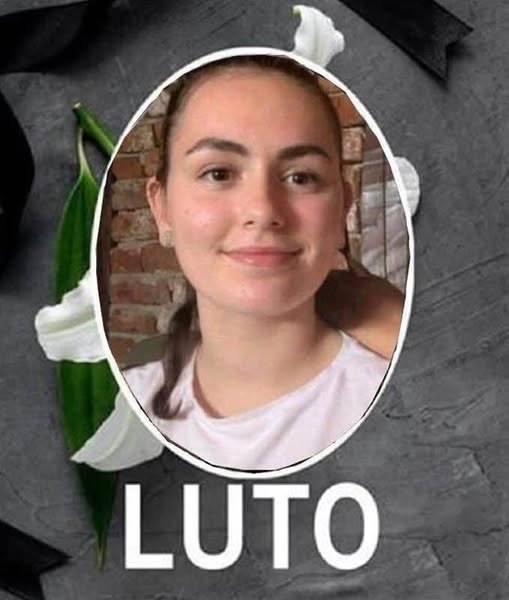
A Life Filled With Joy and Ambition
To those who knew her, Ana was a bright light. Friends describe her as joyful, ambitious, and full of dreams. “She loved to dance, to laugh, to make people happy,” said one classmate. “She wanted to travel the world and tell stories that mattered.”
Her social media feeds have since become a tribute wall — filled with photos of Ana smiling at campus events, volunteering at local charities, and celebrating with friends. “She was sunshine in human form,” one post read. “Always the first to help, always the last to complain.”
Yet beneath the grief, there’s also frustration — a collective sense that her warning signs might have been overlooked, and that menstrual health still doesn’t receive the attention it deserves.
A Hidden Health Crisis
Experts say Ana’s story represents a much larger issue: the global silence surrounding menstrual health. According to the World Health Organization, millions of women suffer from untreated menstrual disorders each year — from endometriosis and PCOS to anemia and infection-related complications. Yet cultural stigma often prevents open conversations or timely medical care.
Toxic shock syndrome, for example, is caused by bacterial toxins entering the bloodstream. While rare, it can occur from improper tampon use or other infections, and symptoms can develop quickly — including fever, rash, vomiting, and confusion. “It’s not something from the past,” said Dr. Ramos. “It’s real, and it’s preventable through awareness.”
Turning Pain Into Purpose
In the wake of Ana’s passing, her mother has spoken publicly, urging young women not to minimize their pain. “If something doesn’t feel right, please see a doctor,” she said. “My daughter thought it was normal. She went to sleep, thinking it would pass. By the time she collapsed, it was too late. I don’t want any other family to go through this.”
Women’s health advocates have rallied around Ana’s story, launching awareness campaigns on social media. Educational posts about toxic shock syndrome and menstrual safety have reached thousands in just days. Many commenters admitted they had never heard of such risks before.
Her university community has also united in her memory. Professors remembered her as a passionate student who wasn’t afraid to talk about taboo subjects. Her final project, titled “The Invisible Struggles of Women,” explored how society minimizes female pain and emotional resilience. “It’s heartbreaking,” one professor said. “She wanted to make people listen — and now, because of her, they finally are.”
A Legacy That Inspires Change
To honor her, Ana’s family plans to create a foundation dedicated to menstrual health education and access to care. The initiative will focus on outreach for young women in underserved areas, providing both information and resources. “If we can save one life because of Ana,” her father said softly, “then she will live on in everything we do.”
Across social media, the hashtag #ForAna has gone viral, with women from around the world sharing their own stories of ignored symptoms, medical gaslighting, and resilience. “Ana’s story shouldn’t have happened,” one post read. “But if her story saves others, her voice will never fade.”
Breaking the Silence
Health experts agree that the most powerful tool in preventing such tragedies is awareness — and empathy. “We have to listen,” Dr. Ramos said. “Listen to daughters, sisters, and friends. Women are taught to endure pain quietly. That has to change.”
As candlelight vigils continue across her university campus, Ana’s friends are determined to carry her message forward: that women’s health matters, and no pain should ever be ignored.
“She always said that women’s pain isn’t weakness,” her best friend shared in a post. “It’s strength waiting to be heard. Now, finally, people are listening.”
Ana was just 20 years old — but her story is already saving lives.
What do you think can be done to make menstrual health awareness stronger in schools and communities? Share your thoughts and help keep Ana’s message alive. #ForAna