 Curious & Viral
Signs of a Quiet Shift Emerging Across America
As 2026 unfolds, the United States is undergoing a transformation so rapid and understated that many may only recognize its scale in hindsight. Historians may one day call it the “Quiet Reset”—a sweeping reconfiguration of how power, policy, and the economy operate, executed not through dramatic upheaval but through relentless speed.
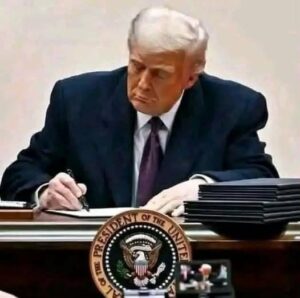
On the surface, the change looked familiar: executive orders signed at polished podiums, confident speeches promising that America would finally “play to win,” and a steady stream of official announcements. But beneath the optics, the substance was far more disruptive. This was not a routine shift in political priorities—it was an attempt to rewrite the nation’s operating system, replacing slow deliberation with aggressive execution.
A New Economic Playbook
At the center of the reset is an ambitious economic strategy built for global competition. A massive sovereign wealth fund was launched to funnel public capital into emerging technologies, infrastructure, and strategic industries. At the same time, signals emerged that major digital platforms could face bans or forced sales, pointing to a more defensive and tightly controlled digital economy.
The regulatory state quickly became the primary target. A sweeping ten-for-one deregulation mandate changed the mechanics of governance overnight: for every new rule proposed, ten existing ones had to be eliminated. This turned regulation itself into a liability. Agencies were forced to dismantle decades of safeguards simply to function, shifting the balance of power toward speed over scrutiny.
Acceleration—and Instability
The effects were immediate. Processes that once required years of review were compressed into weeks. Public hearings, environmental studies, and bipartisan negotiations gave way to rapid repeals and celebratory press briefings.
Markets responded with enthusiasm—at least at first. Industrial sectors surged, speculative investments soared, and companies long frustrated by regulatory limits embraced the newfound freedom. But beneath the optimism, unease spread. Many corporate leaders realized that predictable rules, once essential for long-term planning, were vanishing. In their place was a volatile system where policy could shift overnight.
Environmental Policy Takes a Back Seat
The reset became unmistakably symbolic when the U.S. exited the Paris Climate Agreement for the second time. Environmental goals were deprioritized in favor of traditional energy expansion, industrial output, and short-term economic stability. Single-use plastics returned, climate targets were softened, and sustainability was reframed as an optional luxury rather than a necessity.
 Up Next: Page 2 of 2
The message was clear: immediate economic momentum now outweighs long-term environmental risk....
This acceleration has reshaped not only policy, but public psychology. Change is moving faster than the public’s ability to process it. When...
Continue Reading