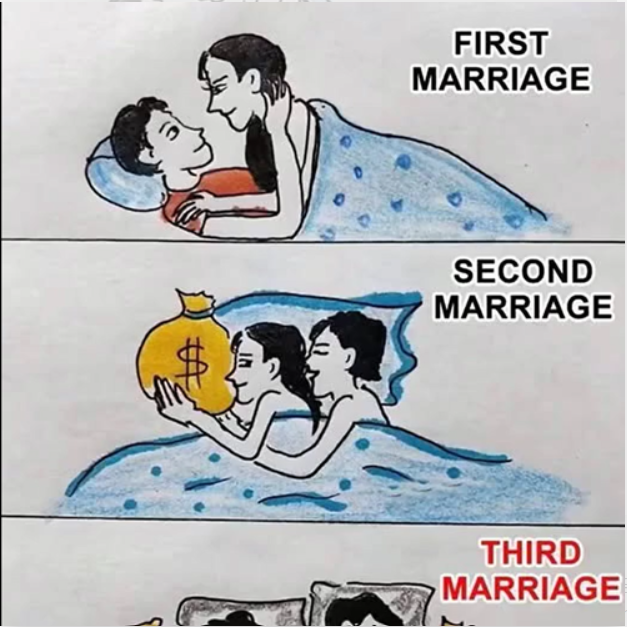
Marriage is often described as one of life’s most meaningful experiences—an evolving partnership that reflects not only the connection between two people but also their individual development over time.
Rather than being a fixed agreement, marriage is dynamic. It shifts as people grow, mature, reassess priorities, and transform through experience. When someone moves from a first marriage to a second or even third, they rarely begin again from the same place. Instead, they carry forward lessons shaped by both happiness and hardship.
Each chapter represents growth rather than failure. It reflects a deeper understanding of love, commitment, and compatibility. From early idealism to later-life insight, multiple marriages often illustrate how personal evolution directly shapes relationship outcomes.
While every partnership is unique, certain patterns tend to emerge: changing expectations, stronger emotional awareness, clearer communication, and a more defined sense of values and boundaries.
Whether entering marriage for the first time or starting anew later in life, healthy relationships continue to rely on respect, empathy, honesty, and shared dedication.
The First Marriage: Hope, Exploration, and Growth
For many people, a first marriage begins with enthusiasm and optimism. Couples often imagine a future built on companionship, shared success, and emotional fulfillment. There is frequently a belief that love alone will carry them through life’s challenges.
Especially in early adulthood, first marriages can be influenced by cultural narratives, family examples, media portrayals, and personal dreams. Many enter this stage confident they are ready, only to discover that everyday life introduces complexities they had not fully anticipated.
Adjusting to Reality
The early years of marriage often uncover differences in communication styles, emotional needs, spending habits, conflict resolution, and long-term planning.
Balancing individuality with partnership requires skill. Everyday decisions—household management, budgeting, holidays, and division of responsibilities—can create tension if expectations are not clearly discussed.
First marriages frequently coincide with other major transitions: launching careers, relocating, raising children, or navigating extended family relationships. These pressures can reveal gaps in communication and emotional regulation.
Because many people lack prior experience in long-term partnership, they may not yet have developed effective conflict-management tools. Misunderstandings can intensify when partners struggle to articulate needs or listen openly.
Yet first marriages often serve as powerful learning experiences. They teach compromise, vulnerability, accountability, and patience. Even when they do not last, they frequently provide foundational lessons that influence future relationships in meaningful ways.
The Second Marriage: Awareness, Intention, and Rebuilding
By the time someone enters a second marriage, perspective has typically shifted. Experience replaces naivety. Reflection replaces assumption.
Individuals often approach a second union with clearer insight into their needs, strengths, and limits. Expectations tend to be grounded in realism rather than fantasy.
Second marriages often prioritize compatibility, trust, and emotional security over perfection. Partners are more likely to value open communication, defined boundaries, and mutual respect.
Increased Self-Knowledge
A key advantage of a second marriage is greater self-awareness. Individuals often better understand:
- Their core values
- Patterns they want to avoid repeating
- Their communication tendencies
- The emotional support they require
This awareness can lead to more direct conversations about finances, parenting approaches, career plans, and long-term goals before commitment is finalized. Many are also more open to seeking counseling or mediation when challenges arise.
Added Complexity
Second marriages, however, may introduce additional layers. Blended families require patience, empathy, and thoughtful boundaries. Children may need time to adjust, and stepparents must build trust gradually rather than assume authority.
Financial matters can also be more intricate, involving prior obligations, shared assets, or support arrangements. Transparent planning and clear agreements are essential.
Emotional wounds from earlier relationships may resurface as well. Trust may develop more slowly. Fear of repeating past mistakes can create hesitation.
When addressed honestly and compassionately, these challenges often strengthen the partnership. For many, the lessons of a first marriage become the framework for a more stable and intentional second one.
The Third Marriage: Perspective, Authenticity, and Companionship
By the time individuals enter a third marriage, priorities often shift again. Emotional intimacy, shared values, and mutual respect frequently take precedence over social expectations.
There is typically less concern with appearances and more emphasis on authenticity. Unrealistic ideals tend to give way to acceptance—of oneself and of one’s partner.
Emotional Maturity
Third marriages often reflect emotional maturity. Partners may demonstrate:
- Greater empathy
- Calmer conflict resolution
- Respect for personal independence
- Appreciation for both shared and individual pursuits
Rather than trying to change each other, partners often focus on supporting growth. Independence and togetherness coexist in balance.
Companionship becomes central. The relationship offers stability, understanding, and mutual appreciation. Success is measured less by external validation and more by emotional fulfillment.
Foundations That Remain Constant
Regardless of whether a marriage is a first, second, or third, certain principles remain essential.
Honest Communication
Healthy partnerships rely on clear, respectful dialogue. This includes expressing needs openly, listening attentively, and addressing concerns before resentment builds.
Empathy and Patience
Life brings stress—career shifts, health concerns, financial pressures, and family obligations. Empathy allows partners to support one another through uncertainty. Patience prevents small disagreements from escalating unnecessarily.
Commitment to Growth
Strong marriages require intention. Couples who actively nurture their connection, set shared goals, and celebrate milestones deepen their bond over time.
Challenges, when approached collaboratively, often strengthen rather than weaken the relationship.
External Influences
Marriage does not exist in isolation. Cultural expectations, family history, financial stability, and career ambitions all shape relational dynamics.
Family backgrounds influence communication patterns and expectations. Financial stress can test resilience. Career demands require negotiation and compromise.
In blended families, creating new traditions and clarifying roles fosters unity and stability.
Emotional Connection as the Core
Across every stage, nurturing emotional intimacy is crucial. This includes spending meaningful time together, expressing appreciation, and offering steady support.
Small, consistent gestures—kindness, gratitude, shared humor—often have a lasting impact. Couples who invest intentionally in their emotional connection are better equipped to handle external pressures.
Growth Through Reflection
Transitioning from one marriage to another often involves honest self-examination. Recognizing patterns, addressing unresolved emotions, clarifying priorities, and establishing healthier boundaries all contribute to stronger future partnerships.
Personal development enhances relational stability. When individuals take responsibility for their own growth, they bring greater resilience into subsequent unions.
Marriage as an Ongoing Process
Marriage is not a final destination reached at a wedding ceremony. It is an ongoing process of adaptation and renewal.
First marriages often provide foundational lessons. Second marriages may reflect conscious rebuilding. Third marriages frequently embody wisdom and authenticity.
No stage is inherently better than another. Each offers the potential for fulfillment when partners are willing to learn, evolve, and communicate openly.
Conclusion: Growth, Partnership, and Renewal
Moving from one marriage to another is often less about repetition and more about transformation. With each experience, individuals gain clarity about themselves and their values.
Marriage, at its heart, is about partnership—shared responsibility, open dialogue, compassion, and commitment.
While circumstances differ, the core principles that sustain a meaningful relationship remain constant.
By embracing change, prioritizing mutual respect, and committing to ongoing growth, couples at any stage can cultivate relationships that are deeply enriching and enduring.
Whether beginning again or continuing a lifelong journey together, marriage remains an opportunity for connection, renewal, and personal evolution—strengthened by experience and sustained by understanding.