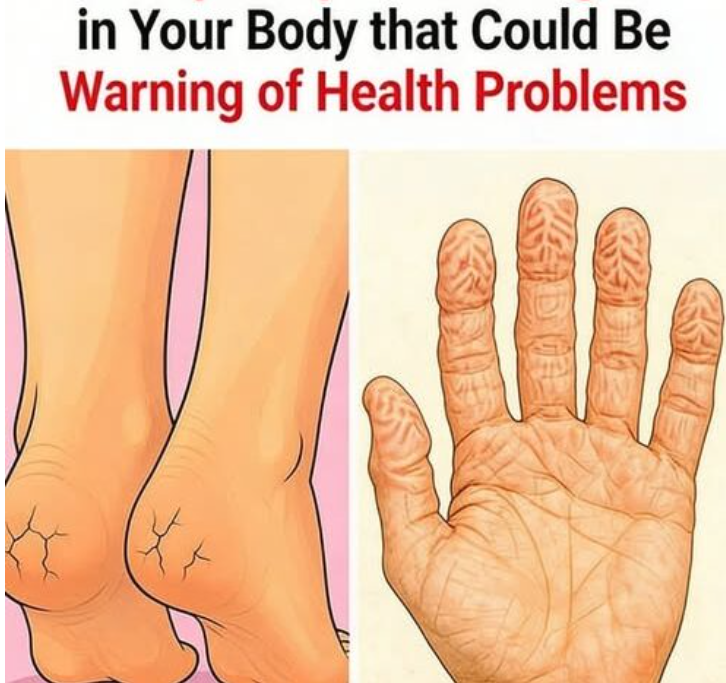
The human body is a remarkably intelligent system, often signaling that something is off through faint, easily overlooked changes long before sharp pain or serious illness appears. In today’s fast-moving world, where attention is constantly pulled toward headlines, screens, and outside noise, it’s easy to ignore those quiet internal cues. Yet these subtle shifts are rarely random. They can be early biological hints that deserve attention. Learning to recognize them allows you to take a proactive approach to your well-being instead of waiting for symptoms to escalate.
What Your Fingertips May Be Telling You
Your hands can quietly reflect changes in oxygen levels, circulation, and nutrition. Two nail patterns, in particular, may serve as early indicators.
Clubbing of the fingers occurs when the tips gradually enlarge and the nails curve downward, softening the usual angle between nail and cuticle. Because this develops slowly, many people don’t notice it at first. Persistent clubbing can sometimes be associated with long-term oxygen deprivation linked to lung or heart conditions. A simple self-check involves placing your index fingers together, nail to nail. If the small diamond-shaped gap between the cuticles is missing, it may be worth discussing with a healthcare professional.
Spoon-shaped nails (koilonychia) are different. Instead of curving outward, the nail dips inward, forming a shallow bowl. When pronounced enough to hold a drop of water, it may suggest iron deficiency anemia. While brittle nails are common, an actual change in nail shape can indicate that the body is lacking key nutrients.
Horizontal Nail Ridges: A Timeline in Keratin
Distinct horizontal grooves across the nail — medically known as Beau’s lines — can act like growth markers. These are not the fine vertical lines many people develop with age, but visible indentations running from side to side. They often appear after the body experiences significant stress, such as a high fever, infection, or intense physical or emotional strain. During such events, nail growth can temporarily pause. When it resumes, the ridge remains as a record of that interruption.
Gently running a finger across your nails may reveal these subtle impressions and prompt reflection on recent illnesses or stressors.
The Tongue as an Internal Barometer
The tongue can also provide clues about digestive balance and overall health. A light coating is normal, but a persistent thick white film that remains despite good oral hygiene may signal dehydration, yeast overgrowth, or changes in gut flora. Because digestive health plays a central role in immune function, regularly observing the tongue in natural light can serve as a simple daily check-in.
Skin Clues: Bruising and Pigment Changes
As the body’s largest organ, the skin frequently reflects internal shifts.
Unexplained bruising — especially if it happens often and without clear injury — can point to issues with clotting factors, fragile capillaries, or deficiencies in vitamins such as C or K. While occasional bruises are common, frequent unexplained marks should be evaluated with routine lab work.
Acanthosis nigricans, characterized by darker, velvety patches of skin typically found on the neck, underarms, or groin, is often mistaken for poor hygiene or simple discoloration. In reality, it is commonly associated with insulin resistance. Detecting it early can encourage lifestyle adjustments before blood sugar issues become more serious.
Subtle Changes in the Eyes and Face
Facial features can also reveal underlying concerns.
A faint yellow tint in the whites of the eyes may suggest elevated bilirubin levels, sometimes related to liver or gallbladder stress. Because indoor lighting can mask gradual color shifts, checking the eyes in natural daylight can help spot early changes.
Persistent dark circles under the eyes are often blamed on lack of sleep. However, when adequate rest doesn’t improve them, contributing factors may include allergies, thinning skin, or prolonged stress. Chronic strain on the body can show up visually long before more obvious symptoms arise.
A Practical Habit of Self-Observation
The common thread in all of these signals is attention to detail. Many significant conditions begin quietly. Establishing a routine — perhaps once a week — to observe your nails, skin, eyes, and tongue in good lighting can help you recognize gradual changes over time.
Taking periodic photos of your hands or neck can make slow developments easier to detect. Comparing images months apart often reveals differences that daily observation misses.
Listening to the Whisper Before the Shout
Not every minor change indicates a serious problem. Bodies fluctuate. However, patterns, persistence, or multiple changes occurring together deserve medical guidance.
The purpose of noticing these subtle shifts is not anxiety, but awareness. When you pay attention early, you create opportunities for simple interventions — nutritional adjustments, stress reduction, or timely medical evaluation — before problems progress.
In a world filled with constant external updates, one of the most important signals to follow is the quiet communication coming from your own body. Learning to listen can help transform uncertainty into informed action and long-term resilience.