I always thought the farm was my safe place. I never imagined I’d have to fight to stay there the same week we laid my grandfather to rest.
When my parents died in a car crash one wet October night, I was twelve. I remember the antiseptic smell of the hospital, the social worker’s words—“placement,” “temporary housing.” And then Grandpa stepped forward.
“She’s coming home with me.”
His hand on my shoulder, the scent of hay and peppermint gum, the steady certainty in his voice. That was it. That was my lifeline.
The farm became my whole world. It wasn’t fancy—barn paint peeling, roof leaking—but it was ours. Grandpa taught me to read the sky before a storm, mend fences with wire and patience, and sleep knowing I was safe.
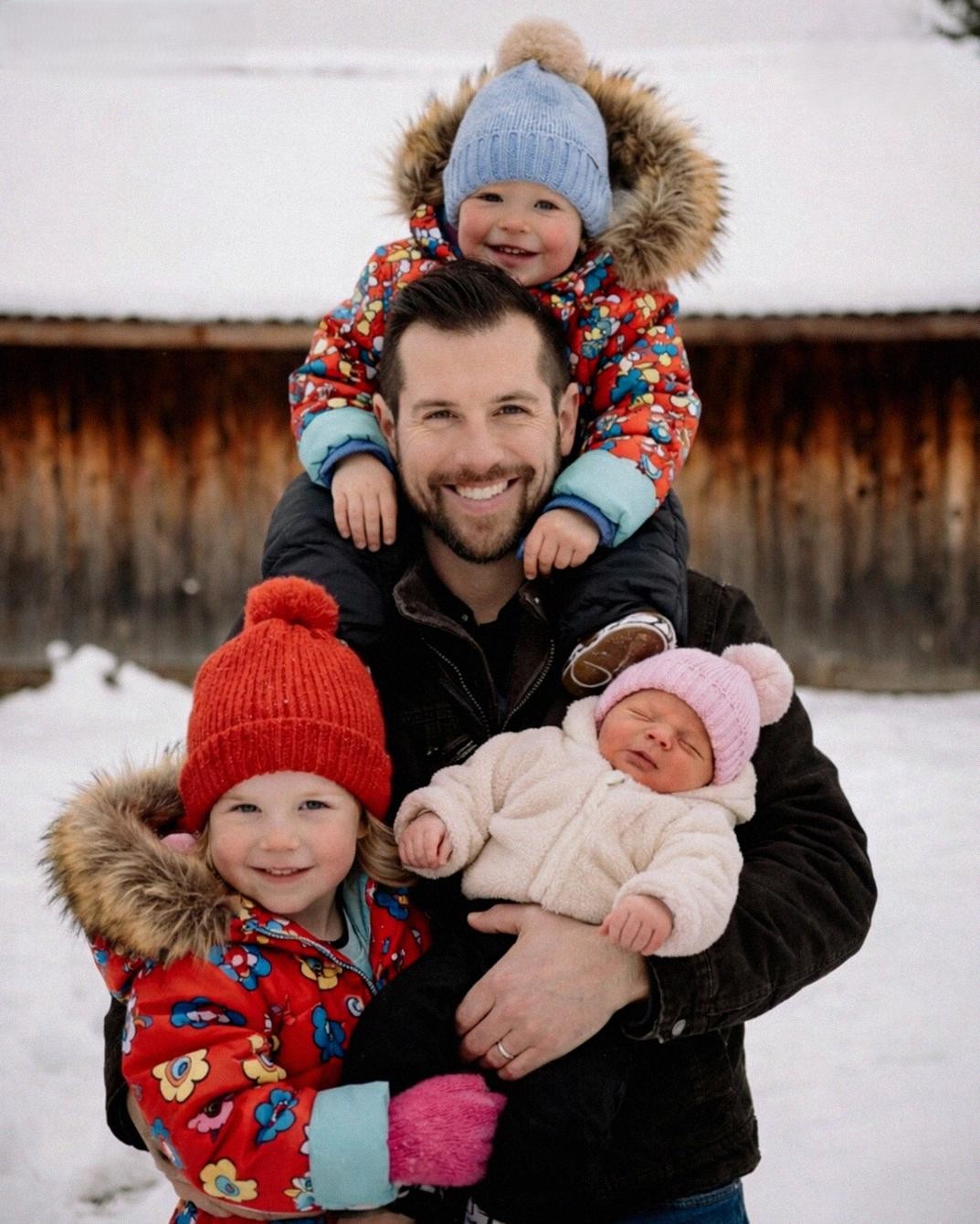
Years later, after a young marriage ended, I returned with three kids. Grandpa didn’t complain. He just said, “More boots means more life.” When his health declined, I stepped in—running harvests, balancing books, and keeping the farm alive through frost, setbacks, and loans.
Meanwhile, Aunt Linda, Grandpa’s only child, lived in Chicago, posting rooftop selfies and spa weekends, only calling when she needed money. She didn’t visit when hospice started. She didn’t hold his hand. I did.
After Grandpa passed at 5:12 a.m., Linda arrived in a sleek black Mercedes. She walked through the house like an appraiser. “Developers would fight over this. There’s lake access. It’s worth a fortune.”
Continue reading on next page…