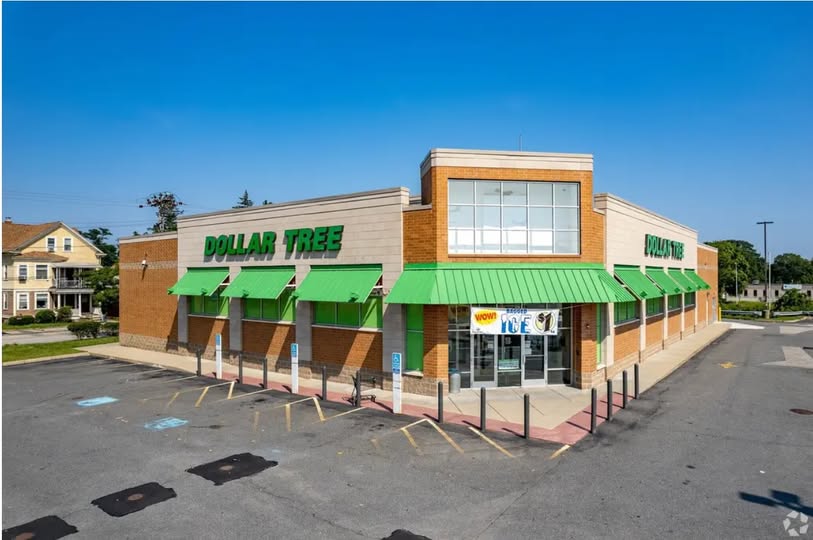
Discount stores have become go-to destinations for millions of shoppers looking to stretch their budgets. With aisles filled with everyday essentials priced at a fraction of what they cost elsewhere, chains like Dollar Tree have turned bargain hunting into a full-fledged experience. From household supplies to seasonal decorations, it’s easy to feel like you’ve stumbled upon a treasure trove.
But before you load up your cart, it’s important to understand that the lowest price doesn’t always mean the best long-term value.
Why Cheap Can Cost More
Discount stores thrive on volume and ultra-low prices. To meet these price points, manufacturers often cut corners—using thinner materials, lighter construction, or smaller quantities. While this keeps items affordable, it can also mean a shorter lifespan, lower reliability, or more frequent replacements.
Electronics: Look Before You Plug In
Electronics are a prime example. Charging cables, earbuds, and adapters often look identical to premium versions but may use cheaper internal components. That can result in devices that fail after weeks of use, making your “bargain” end up costing more in the long run.
Household Tools and Daily Essentials
Everyday items like kitchen utensils, spray bottles, and cleaning tools may also show hidden costs. Plastic triggers can break, thin utensils bend, and lightweight tools may crack under frequent use. Over time, replacing these items repeatedly can outweigh the savings of buying cheap in the first place.
Continue reading on next page…