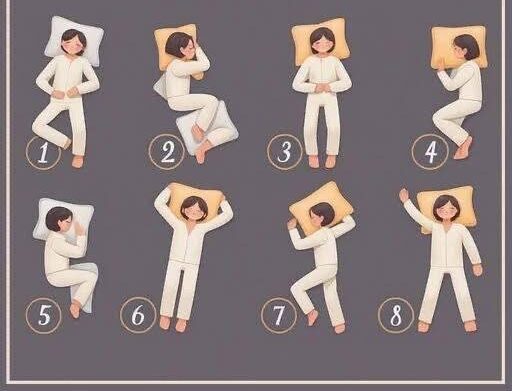
What Your Sleeping Position Might Say About Your Stress and Personality
Sleep is often seen as a simple pause at the end of a busy day—a time when the body shuts down and recharges. But according to many psychologists and behavioral researchers, the way we position our bodies during sleep may reveal more than we realize. The posture we naturally fall into at night can reflect emotional patterns, daily stress levels, and even personality traits.
Rather than being random, these positions can act like a quiet form of communication from the body, offering clues about how we handle responsibilities, relationships, and pressure.
Let’s take a closer look at several common sleeping positions and what they might suggest about a person’s lifestyle and mindset.
The “Completely Exhausted” Sleeper
Some people fall asleep in what looks like a full-body collapse—arms and legs stretched across the mattress, as if their energy ran out the moment they reached the bed.
While this posture might appear careless or unstructured, it often reflects a person who has spent the entire day pushing themselves to the limit. These individuals tend to take on many responsibilities, both professionally and personally. They are often the ones solving problems at work, supporting friends, and managing family obligations.
By the time they finally lie down, their body simply releases the tension it has been holding all day. Spreading out across the bed can be the body’s attempt to fully relax after hours of mental and physical effort.
For many high-performing individuals, this sleeping position signals a need for deeper rest and better balance between productivity and recovery.
The “Caring but Tired” Side Sleeper
Another very common position is sleeping on the side with knees slightly bent and hands near the chest. This posture is often associated with people who are compassionate and emotionally supportive.
Side sleepers are frequently described as dependable listeners—the friends and family members others turn to during difficult times. Their empathy allows them to connect deeply with others.
However, this same quality can sometimes lead to emotional exhaustion. Even when they appear calm and composed, their minds may still be processing conversations, worries, or plans for helping others.
Curling slightly inward during sleep can reflect a subconscious desire for comfort and protection after a day spent caring for everyone else.
The “Always Busy” Stomach Sleeper
Sleeping face down with arms under the pillow is another well-known posture. These sleepers often appear confident, determined, and action-oriented during the day.
People who prefer this position tend to enjoy being productive and organized. They like to stay in control of their schedules and responsibilities, often juggling multiple tasks at once.
However, stomach sleeping can also indicate someone who finds it difficult to fully switch off. The posture may reflect a subtle effort to shield the body or maintain a sense of control even while resting.
Many stomach sleepers wake up with stiff shoulders or necks, a physical reminder that their bodies may still be holding tension from their busy lives.
The “Independent” Back Sleeper
Back sleepers who lie flat with arms by their sides often project calm and self-confidence. This posture is commonly associated with people who value structure, reliability, and independence.
They are usually the individuals who remain composed during stressful situations and prefer to handle problems on their own rather than ask for help.
While this independence can be admirable, it may also create internal pressure. These individuals sometimes carry stress silently, determined to appear strong for the people around them.
Continue reading in the next page…