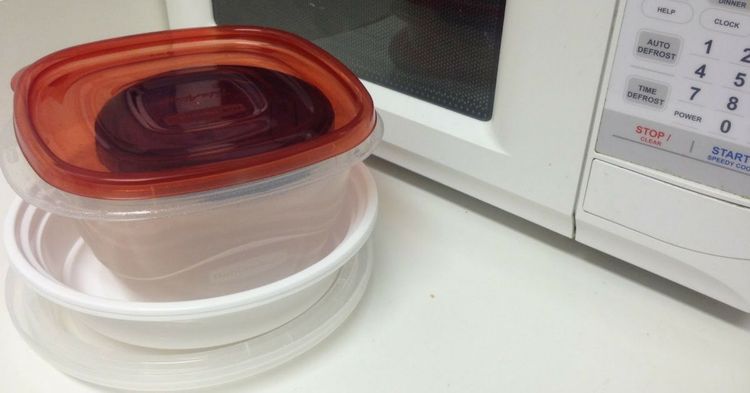
Take a moment to look at the plastic bowls in your kitchen—especially the ones you’ve been using for years. While they’re convenient and lightweight, their condition matters more than most people realize. Over time, everyday use can quietly turn these helpful items into something less reliable.
Plastic doesn’t stay the same forever. With repeated use, it begins to show wear—fine scratches, small cracks, cloudy surfaces, slight warping, or discoloration. These changes might seem harmless, but they can affect how safe the container is. Food safety experts point out that damaged surfaces can trap tiny particles and moisture, creating spaces where bacteria are harder to remove during washing.
Heat is another factor to consider. Not all plastic containers are built to handle high temperatures. Frequent exposure to microwaves, hot meals, or dishwashers can weaken the material over time. In older or lower-quality plastics, this breakdown may also increase the chance of small amounts of substances transferring into food—especially if the container isn’t labeled for heat use.
Continue reading on next page…