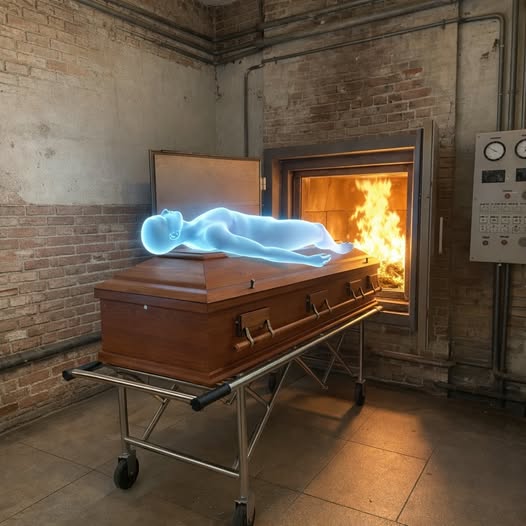
Cremation and Christianity: Tradition, Faith, and Choice
In recent decades, cremation has grown steadily in Western societies. Rising funeral costs, limited cemetery space, and environmental concerns have made it a practical and respectful alternative to traditional burial. Yet within Christian circles, it raises questions about faith, tradition, and the hope of the afterlife.
Burial as Biblical Tradition
For centuries, burial has been the Christian norm. Figures like Abraham and Moses were laid to rest in the earth, reflecting the body’s sacred role and the promise of future resurrection. Jesus Christ’s burial set the ultimate example, symbolizing hope—like a seed sown that will rise again. St. Paul reinforced this imagery, linking burial with resurrection and shaping centuries of Christian practice.
Cremation and Christian Liberty
The Bible contains no direct prohibition against cremation. Historical instances of burning were usually extraordinary, not moral commands. Modern theologians emphasize that while burial is traditional, cremation falls under Christian liberty. The method of handling remains does not affect salvation or the promise of resurrection.
Continue reading on next page…