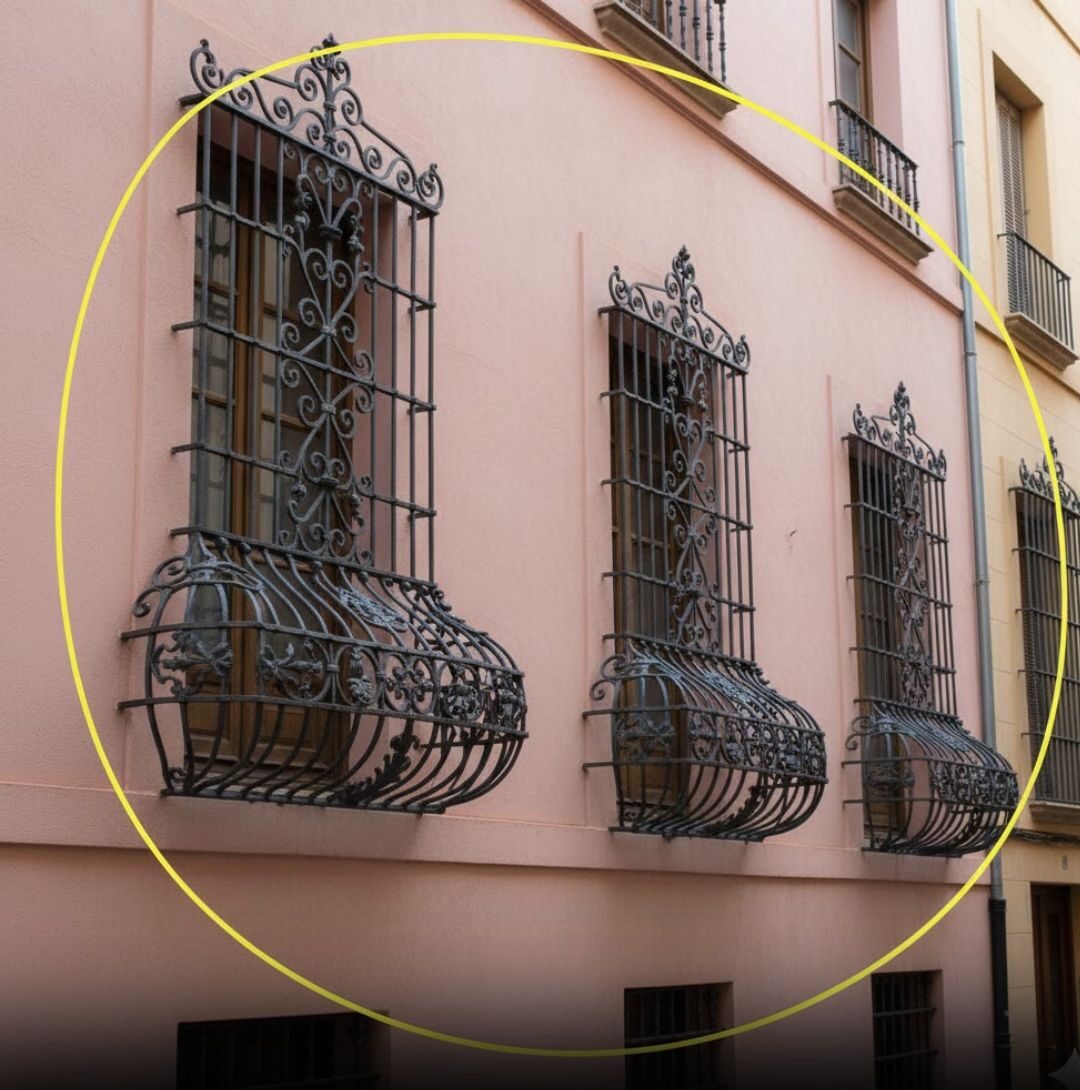
You’ve seen them on homes, apartments, and storefronts — metal bars guarding windows. But have you ever noticed something subtle?
👉 Many of these bars aren’t straight across the bottom.
They bow slightly downward, forming a gentle curve.
It’s not just a stylistic choice. This subtle curve is a smart design feature that blends strength, safety, and even aesthetics. Let’s break down why it matters.
🛠️ Curved Bars Are Stronger
The main reason window bars dip in the middle is structural strength, not decoration.
Think archways in ancient architecture — they handle weight far better than flat beams. Window bars don’t carry a building’s weight, but they resist bending or prying.
How it works:
- Flat bars can flex under pressure.
- A shallow “U” or “V” curve increases rigidity.
- The curve distributes stress, making it much harder to break or force open.
💡 Like a potato chip — flat it bends easily, curved it resists.
✅ Result: strong, durable protection without heavier, more expensive metal.
🚪 Curves Keep Water at Bay
Flat bars collect rainwater in the middle, leading to:
- Rust and corrosion
- Metal weakening
- Stains on walls or windowsills
A curved design lets water run off to the sides, reducing maintenance and extending the life of the bars — especially in rainy or coastal areas.
Continue reading on next page…