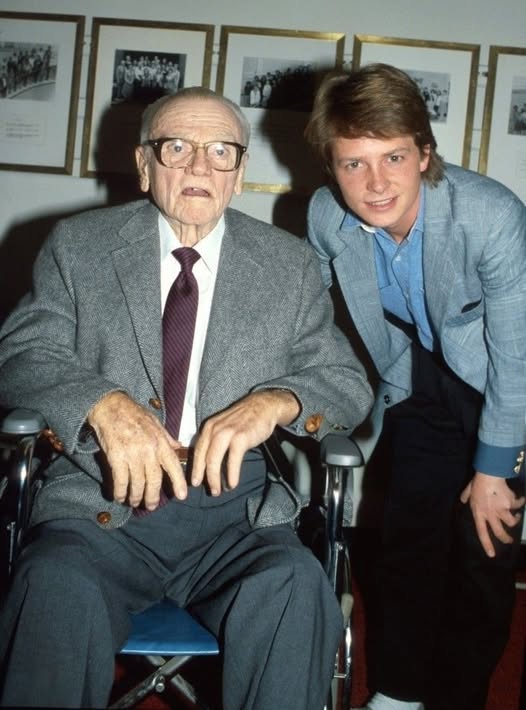
Growing up in New York’s bustling Lower East Side, James Cagney wasn’t just navigating crowded streets—he was learning the rhythm of a world alive with languages and cultures. Among neighbors from all walks of life, young Cagney absorbed Yiddish, mastering it naturally through daily conversation. What seemed like a neighborhood skill would later become an unexpected edge in Hollywood.
For Cagney, fluency wasn’t just words—it was connection, awareness, and the ability to read people in ways others couldn’t. That same sensitivity would define his tough, street-smart screen persona and his ability to maneuver through the cutthroat world of the studio system.
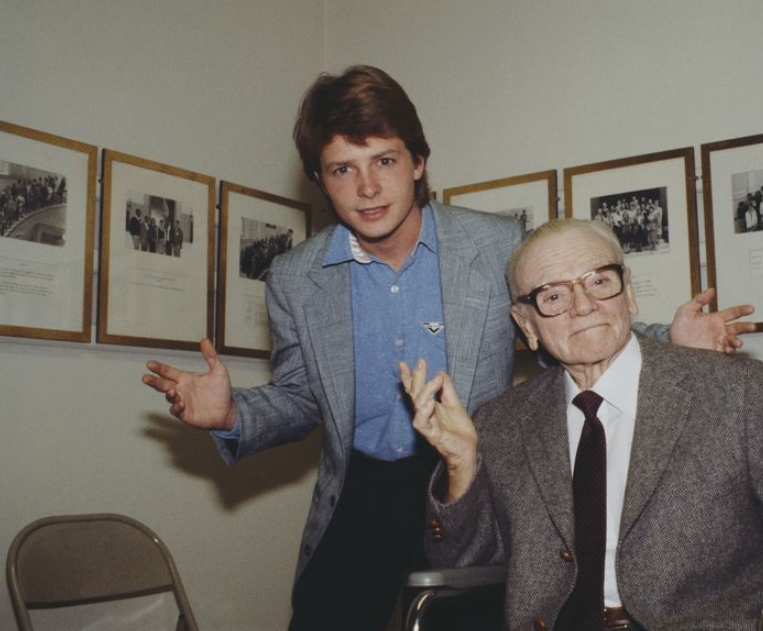
Turning Childhood Skill into Career Power
In the competitive Hollywood of the 1930s, knowing Yiddish gave Cagney leverage few could match. Studio executives sometimes assumed they could speak freely in Yiddish, believing he wouldn’t understand. But Cagney did—and when he responded in the same language, the effect was immediate. Power shifted. Control returned to him. He had turned a private skill into a public demonstration of intelligence, independence, and professional authority.
This wasn’t showboating. It was strategy. Timing, nerve, and knowledge allowed him to negotiate contracts and assert his presence in an environment where actors were often disposable. Cagney’s quiet mastery became a hallmark of both his career and his reputation: he was never underestimated.
Continue reading on next page…