A Simple Choice That Reveals Something Much Deeper
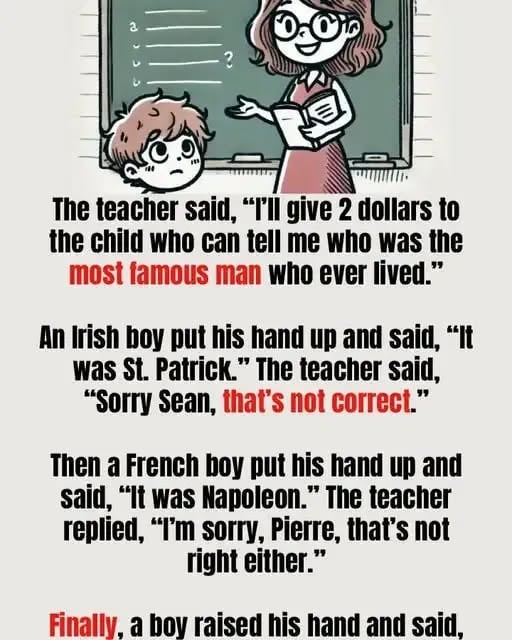
At first glance, the story sounds almost like a joke: a young boy choosing a small cash reward over a religious or symbolic item. People often laugh it off as something innocent or trivial, but the reaction it sparks tends to linger longer than expected.
Because beneath the humor is a quiet truth about human nature—how easily our values can shift when something tangible is placed in front of us. It’s not really about childhood innocence. It’s about how decision-making works at every stage of life, where belief and benefit often find themselves in silent competition.
How We Measure What Things Are “Worth”
We like to believe our principles are fixed, unshakable, and beyond negotiation. But everyday life tells a more complicated story. From small choices to life-changing decisions, we are constantly weighing meaning against practicality.
Sometimes it’s choosing stability over passion in a career. Other times it’s staying in situations that no longer serve us because the perceived cost of leaving feels too high. Slowly, without noticing, we begin translating experiences, relationships, and even beliefs into a kind of internal balance sheet.
When Desire Becomes a Calculation
This idea appears again and again in storytelling. A rejected proposal is sometimes reframed not as emotional loss, but as missed financial opportunity. A dream purchase is questioned not for its beauty or meaning, but for whether it “justifies the price.” Even wonder itself can be filtered through skepticism, as if inspiration must pass a cost-benefit test before it is allowed to exist.
In each case, something subtle happens: imagination gives way to evaluation. Instead of asking what something means, we start asking what it returns.
The Quiet Trade-Offs We Rarely Notice
Keep reading…