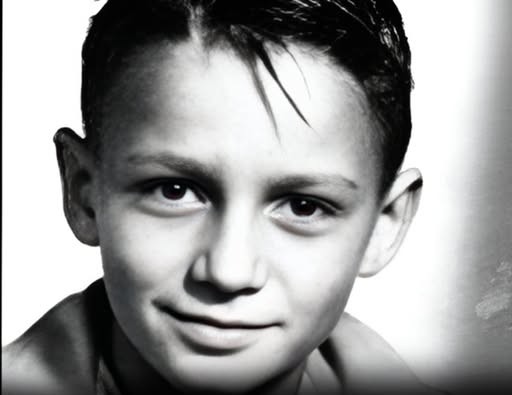
Waylon Jennings’ story begins in Littlefield, Texas, but it never stayed there for long. His life would stretch into legend, shaped not only by music and fame, but by a single night in 1959 that quietly altered everything that came after it.
That night, a small chartered plane carrying Buddy Holly never reached its destination. Jennings had been scheduled to be on that flight, but a last-minute decision changed his seat—and ultimately, his fate. He survived. But survival, as he would later understand, did not feel like victory.
Instead, it left him carrying something heavier than grief alone: a lingering sense of guilt, the kind that doesn’t fade with time or success. While the world celebrated his growing career, he wrestled privately with the question of why he was still here when others were not.
Music, which had once been his escape, became complicated. The stage lights still called to him, but behind the performances was a man trying to reconcile loss with the pressure of moving forward. At one point, he even stepped away from guitar entirely, unsure if he could separate sound from sorrow.
Yet the pull of music eventually brought him back. And when he returned, he wasn’t interested in fitting neatly into the expectations of Nashville. Jennings wanted control—not just over his songs, but over his identity.
That defiance helped define the “outlaw country” movement. He became a symbol of artistic independence, someone who refused to be shaped by an industry that preferred polished conformity. But even rebellion has its hidden cost. Beneath the confidence was a man still carrying unresolved weight from the past.
Keep reading…