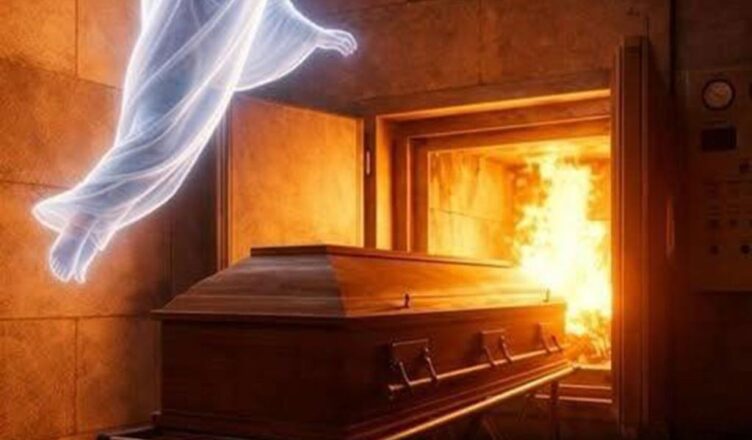
How Different Beliefs Around the World View Death, Burial, and the Journey of the Soul
The idea of death often brings uncertainty and deep reflection. For many people, what happens after life ends is one of the biggest unanswered questions. Across cultures and religions, belief systems have developed to help individuals understand this transition and cope with the emotions surrounding it.
One of the clearest ways these beliefs are expressed is through funeral rites and burial practices. While some traditions allow cremation, others strictly prohibit it. These differences are deeply rooted in each faith’s understanding of the body, the soul, and the afterlife.
Burial Practices as Expressions of Belief
Around the world, religious traditions shape how the deceased are treated with care, respect, and ritual. These practices are not just cultural customs—they reflect core spiritual values about what happens after death and how the soul continues its journey.
Some religions view the body as something that must be preserved with dignity, while others see cremation as a natural or even sacred part of returning to the elements.
Islamic Perspective on Burial and the Afterlife
In Islam, cremation is strictly forbidden. The human body is considered a trust from God and must be treated with honor and respect after death.
Islamic burial practices follow a structured and dignified process that includes:
- Washing the body (ghusl)
Keep reading…