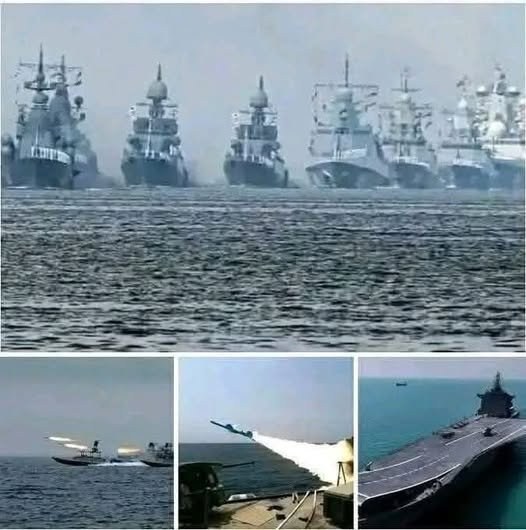
Scroll through social media for a few minutes and you might think the United States has already entered a new global conflict.
Posts filled with alarming language, dramatic graphics, and urgent warnings spread rapidly across platforms, often leaving readers confused about what is actually happening. Claims that America has “entered a new war” generate strong reactions, but the reality behind those headlines is often far more complicated than a viral post can explain.
In today’s world, international tensions rarely fit into simple categories.
Unlike many conflicts of the past, modern geopolitical disputes often unfold through diplomacy, economic pressure, cyber activity, intelligence operations, sanctions, and limited military actions rather than formal declarations of war.
That distinction matters.
While global tensions remain high in several regions, the United States continues to operate through a combination of diplomatic engagement, strategic partnerships, and international negotiations rather than direct large-scale military involvement.
In Eastern Europe, for example, American support has largely focused on economic assistance, defense cooperation, humanitarian aid, and coordination with allies. These actions can create the appearance of deeper involvement, but they differ significantly from direct combat operations.
Meanwhile, diplomatic channels remain active behind the scenes.
International representatives continue meeting in various locations around the world to discuss security concerns, regional stability, and potential pathways toward reducing conflict. These conversations rarely generate the same attention as dramatic headlines, but they often play a crucial role in preventing situations from escalating further.
The challenge is that modern conflict often develops in ways that are difficult to define.
Cyberattacks may occur without a single shot being fired.
Economic sanctions can impact nations without military deployment.
Keep reading…