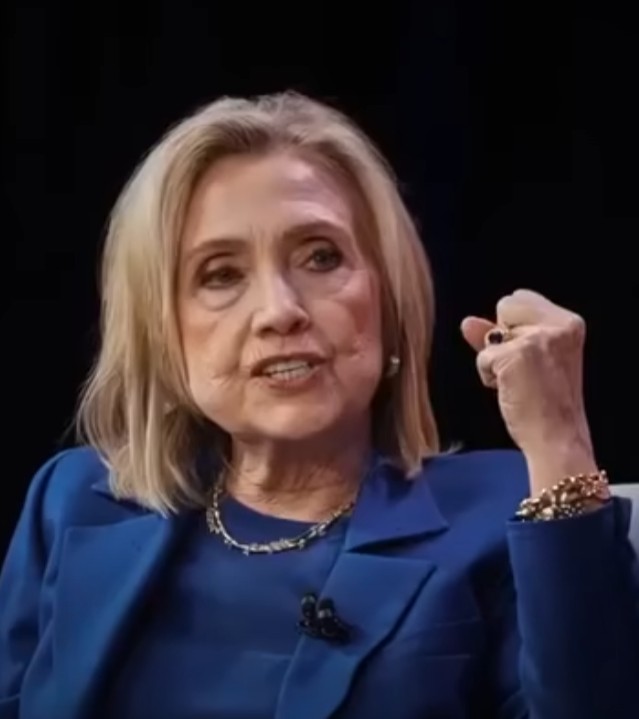
Former Secretary of State Hillary Clinton is once again at the center of a major political conversation, issuing a sharp warning about America’s role on the world stage amid growing tensions surrounding Iran and renewed debate over U.S. foreign policy.
Speaking about recent developments, Clinton argued that America’s global influence depends not only on military strength and economic power but also on consistency, credibility, and clear leadership. According to her, uncertainty in messaging can create challenges for both allies and adversaries, particularly during periods of heightened international tension.
Her comments come as diplomatic efforts involving Iran face increasing obstacles, raising questions about the future of negotiations and regional stability. While policymakers continue to debate the best path forward, Clinton contends that maintaining a predictable and coherent strategy remains essential for preserving international trust.
At the heart of her criticism is the belief that global partners pay close attention to the words and actions of U.S. leaders. When messages appear inconsistent or rapidly shift direction, she argues, allies may become uncertain about American commitments while opponents may feel encouraged to test boundaries.
The discussion has reignited broader questions about how presidents communicate during international crises. Supporters of strong rhetoric often argue that forceful language can project strength and deter potential threats. Critics, however, contend that diplomatic language must be carefully calibrated to avoid misunderstandings that could escalate already sensitive situations.
Keep reading…