 News
Unusual Wildlife Report Draws Attention—What Is Actually Confirmed?
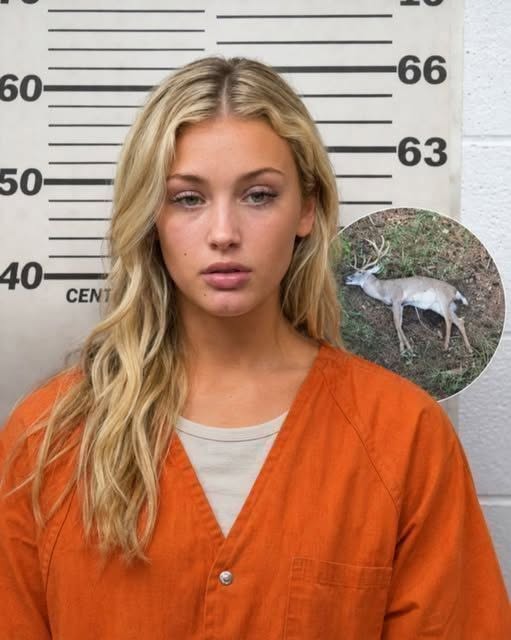
A report describing an unusual incident involving a deceased deer in a wooded area of the United States has circulated online, prompting questions about wildlife protection, public safety, and the importance of accurate crime reporting.
However, the details available in the circulating accounts are limited. Without confirmation from the relevant law enforcement agency or a reliable local news organization, it is not possible to establish exactly what happened, whether an arrest occurred, or which laws may have been involved.
Distinguishing verified information from online claims is especially important when a story concerns alleged criminal conduct by an identifiable person.
What the Online Reports Claim
Several websites have published similar accounts describing hikers who allegedly reported concerning activity in a remote woodland area. These accounts say that police responded and that a woman was identified as a suspect in an incident involving the remains of a deer.
The reports also describe an investigation involving local law enforcement and wildlife officials.
However, the versions circulating online do not clearly identify the location, the responsible police department, a case number, or a publicly available court record that would allow readers to independently confirm the central claims.
As a result, these details should be treated as unverified rather than established facts.
Why Independent Confirmation Matters
Stories involving unusual allegations can spread rapidly because they attract attention and provoke strong reactions. When multiple websites repeat similar wording, it can create the impression that an event has been independently confirmed.
That is not necessarily the case.
Reliable verification generally requires more than repeated online articles. Useful sources may include an official police statement, a sheriff's department announcement, a wildlife agency report, court records, or reporting from an established local news organization that identifies its sources.
Until such evidence is available, it is important not to assume that an arrest, specific criminal charge, or particular sequence of events has been confirmed.
How Wildlife Laws May Apply
Wildlife regulations in the United States vary by state and by the circumstances of an incident.
Depending on local law, rules may govern the possession, transportation, collection, or handling of deer remains. Additional requirements may apply to animals found in protected areas or to wildlife suspected of carrying disease.
 Up Next: Page 2 of 2
The fact that an animal is already dead does not automatically mean...
Anyone who discovers a dead wild animal in a park, forest, or other public area should avoid unnecessary contact and check the...
Continue Reading