At First, This Headstone Looked Completely Normal—Then Someone Noticed the Hidden Message
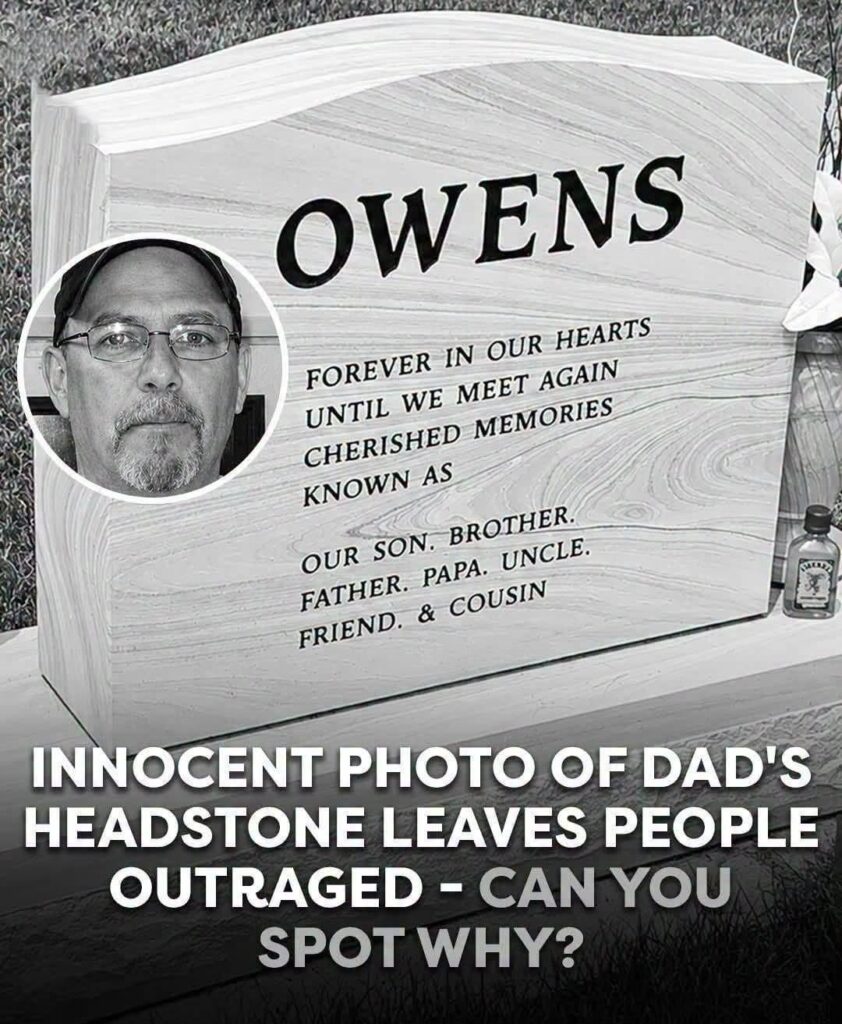
A Headstone’s Hidden Message Sparks a Debate About Grief, Humor, and Respect
A headstone is usually a place for heartfelt words, treasured memories, and quiet reflection. But one unusual memorial inscription has sparked a heated discussion about whether a final farewell must follow traditional expectations—or whether it should reflect the personality of the person being remembered.
The story centers on Steven Paul Owens, whose headstone reportedly contained a hidden message formed by the first letters of each line. Read vertically, the letters spelled a profanity. According to his family, the message was intentional, reflecting an inside joke and the kind of humor that made Owens memorable to those who knew him.
For his loved ones, the inscription was more than an attempt to shock. It was a personal tribute to someone whose character apparently could not be captured by conventional words alone. Rather than choosing a familiar phrase about love or eternal rest, the family created a memorial that reflected a more irreverent side of his personality.
But when photographs of the headstone began circulating online, reactions quickly divided.
One Memorial, Two Very Different Reactions
Some viewers considered the hidden message inappropriate for a cemetery, a place shared by people of different ages, backgrounds, and beliefs. For them, a memorial should preserve a certain level of dignity, especially in an environment where visitors may be grieving deeply personal losses.
Others saw the inscription differently. They argued that remembrance should not be limited to formal language or traditional expressions of sorrow. If the message reflected Owens' personality and brought a smile to the faces of those who loved him, they questioned why a memorial had to conform to everyone else's expectations.
 Up Next: Page 2 of 2
The disagreement reveals how differently people understand respect. For some, respect means...
The controversy also raises a difficult question about the balance between personal expression and cemetery rules.
Continue Reading