What Eating Beets Can Do for Your Body: 5 Potential Health Benefits
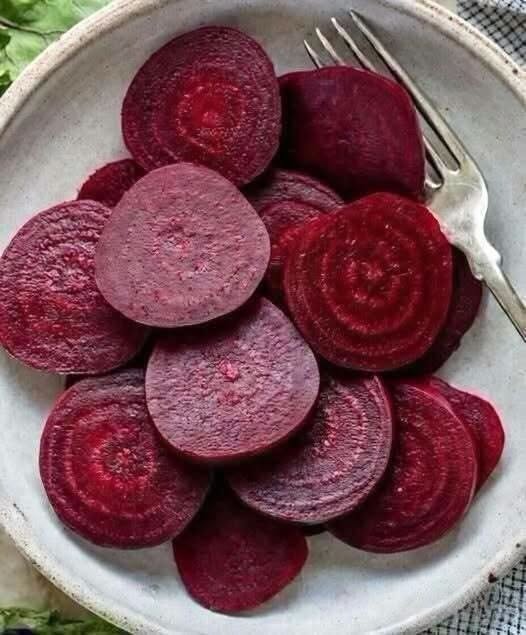
Beets are a colorful root vegetable that can add flavor, texture, and valuable nutrients to everyday meals. They can be roasted, boiled, grated into salads, or blended into smoothies. Beyond their earthy taste and vibrant color, beets contain dietary fiber, folate, and naturally occurring plant compounds that have attracted interest from nutrition researchers.
One area of particular interest is their natural nitrate content, which may play a role in supporting healthy blood pressure. Beets also provide fiber for digestive health and pigments that contribute to their distinctive red and purple colors.
Here are five things to know about how beets may contribute to a balanced diet, along with a few precautions to keep in mind.
1. Beets May Help Support Healthy Blood Pressure
Beets naturally contain dietary nitrates. After consumption, the body can convert some of these nitrates into nitric oxide, a compound that helps blood vessels relax and function normally.
Research suggests that nitrate-rich beetroot juice may modestly reduce blood pressure in some people. However, the size of the effect varies, and results from studies of beetroot juice do not necessarily apply equally to every beet product or serving size.
Beets can be included in a heart-healthy eating pattern alongside vegetables, fruits, whole grains, and other nutritious foods.
Important: Beets are not a substitute for prescribed blood-pressure medication. Anyone managing hypertension should continue following their healthcare professional's advice.
2. They Provide Fiber for Digestive Health
Beets contain dietary fiber, which helps support normal digestion and bowel regularity.
Eating enough fiber from a variety of foods can help maintain digestive function. Fiber also contributes to a balanced diet that supports healthy cholesterol levels and blood glucose regulation.
To increase your fiber intake, consider adding beets to salads, grain bowls, soups, or roasted vegetable dishes. Combining them with other vegetables, legumes, and whole grains can help you obtain different types of fiber.
 Up Next: Page 2 of 3
If you are increasing your fiber intake, do so gradually and drink...
The red and purple color of many beets comes from natural pigments called betalains. These compounds have antioxidant properties and are being...
Continue Reading