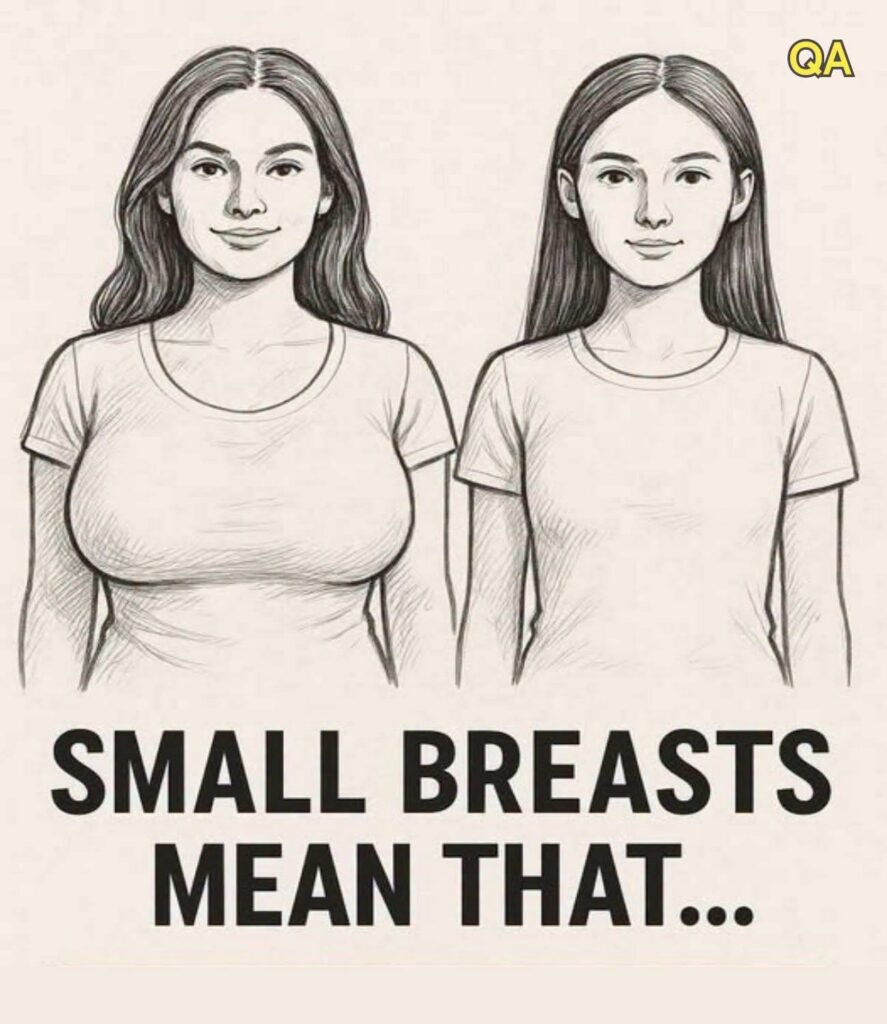
Breast Size and Hormonal Health: Understanding the Facts Behind Common Myths
Breast size varies widely from person to person, and many factors influence its development and appearance. Despite common misconceptions, breast size alone is not a reliable indicator of hormone levels, fertility, or overall health.
Social expectations, online discussions, and misleading health claims can sometimes create unnecessary concerns about natural body differences. Understanding how breast tissue develops and what actually influences hormonal health can help people make informed decisions without relying on appearance-based assumptions.
What Determines Breast Size?
Breast development is a complex process influenced by genetics, hormones, body composition, age, and other individual factors. These influences vary from person to person, which is why there is a wide range of normal breast sizes and shapes.
Several factors contribute to breast size:
- Genetics: Inherited characteristics play an important role in determining breast size, shape, and tissue composition.
- Body composition: Breasts contain both fatty and glandular tissue. Changes in body weight may affect their size, although the extent varies between individuals.
- Hormonal changes: Hormones influence breast development during puberty and can affect breast tissue during the menstrual cycle, pregnancy, breastfeeding, and menopause.
- Age: Breast tissue can change over time as the body ages and hormone levels fluctuate.
These factors interact in different ways, so breast size cannot be explained by a single cause.
Does Breast Size Indicate Hormone Levels?
Breast size alone cannot establish whether someone has a hormonal imbalance. Although hormones such as estrogen and progesterone contribute to breast development and changes throughout life, the size of the breasts does not provide a reliable measurement of hormone levels.
A person with smaller breasts may have normal hormone function, just as a person with larger breasts may experience a hormonal condition. Physical appearance alone is not sufficient to diagnose an endocrine or reproductive health problem.
Hormonal concerns should instead be assessed in the context of symptoms, medical history, and, when appropriate, clinical examinations and laboratory tests.
Is There a Connection Between Breast Size and Fertility?
Breast size is not a reliable predictor of fertility. Reproductive health depends on several factors, including ovulation, age, reproductive anatomy, and the health of both partners when pregnancy is being considered.
Breast size does not establish whether someone ovulates regularly or can become pregnant. Similarly, a particular breast shape or size should not be interpreted as evidence of infertility.
 Up Next: Page 2 of 3
During pregnancy, hormonal changes can cause breasts to grow or become more...
Anyone experiencing difficulties conceiving or concerned about reproductive health can discuss their circumstances with a qualified healthcare professional.
Continue Reading