The Hidden Virus That Can Wake Up in Your Body Years Later
Shingles, also known as herpes zoster, is a viral condition that can cause a painful rash and discomfort. Although it is more common in older adults, it can affect people of different ages. Understanding its causes, recognizing possible symptoms, and seeking timely medical advice can help people manage the condition and reduce the risk of complications.
What Causes Shingles?
Shingles is caused by the varicella-zoster virus, the same virus responsible for chickenpox. After a person recovers from chickenpox, the virus remains inactive in the body's nervous system. Years later, it can reactivate and cause shingles.
The risk generally increases with age, particularly after 50. People with weakened immune systems may also be at greater risk. However, shingles can occur in people without an obvious underlying health problem.
The precise reason the virus reactivates in a particular person is not always clear.
Common Symptoms of Shingles
Symptoms can vary, but some people experience discomfort before a rash appears. Possible early signs include:
- Burning, tingling, itching, or unusual sensitivity in a specific area.
- Localized pain or tenderness.
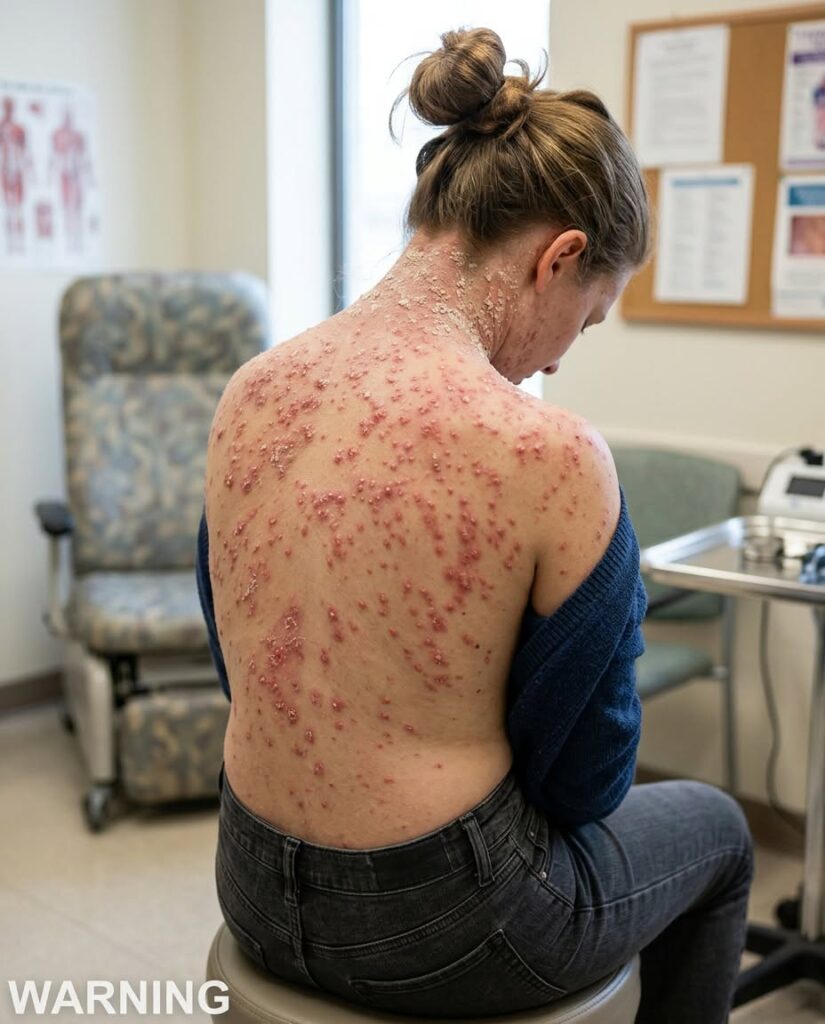
- A rash that develops into fluid-filled blisters, often on one side of the body or face.
- Fever, headache, or fatigue in some cases.
The rash commonly follows the path of a nerve and often appears in a band on one side of the body. However, symptoms are not identical for everyone, and other conditions can cause similar problems.
Anyone who suspects they may have shingles should contact a healthcare professional for an assessment rather than relying on symptoms alone.
Treatment and Why Timing Matters
Antiviral medicines may help shorten the illness and reduce its severity. Treatment is generally most effective when started early, commonly within 72 hours after the rash appears. A healthcare professional may recommend treatment outside that period in certain circumstances.
Pain relief and other supportive measures may also help manage symptoms. The appropriate treatment depends on the person's age, medical history, symptoms, and risk of complications.
A rash near the eye, changes in vision, severe symptoms, or signs of complications require prompt medical attention. People with weakened immune systems should also seek advice quickly if shingles is suspected.
Possible Complications
Most people recover, but shingles can sometimes lead to complications.
One possible complication is postherpetic neuralgia, in which nerve pain continues after the rash has healed. The pain can interfere with sleep and daily activities and may require specific treatment.
 Up Next: Page 2 of 2
Other complications can affect the eyes, hearing, or nervous system, depending on...
A person with shingles does not directly transmit shingles to another person. However, the varicella-zoster virus can spread from active shingles blisters...
Continue Reading