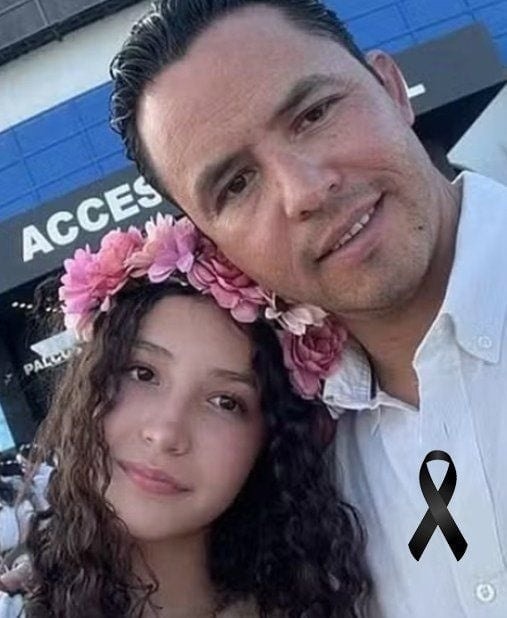
The news hit quietly at first, then rippled through the community with a shock that left everyone reeling. A fourteen-year-old girl was gone—not from illness, not from an accident—but from something that likely seemed ordinary to her.
By the time the details emerged, disbelief had turned to grief, and grief to a deep, shared regret. She was fourteen—a fragile bridge between childhood and adulthood, full of curiosity, laughter, and dreams. She argued with her parents, worried about school and friends, and imagined a future she never got to live.
Reports suggest she was experimenting, influenced by what she’d seen online or among peers. It wasn’t meant to be dangerous. There was no intention of self-harm. It was curiosity, blended with misinformation and a lack of understanding about the human body.
She applied silicone to herself, unaware that the substance, never intended for use inside the body, could trigger catastrophic consequences. What seemed harmless became deadly. Within hours, her parents noticed something was wrong—discomfort became pain, pain escalated into labored breathing, weakness, and panic.
Paramedics arrived, rushed her to the hospital, and doctors fought to stabilize her. But the body’s reaction was overwhelming. Improper silicone exposure can cause severe inflammation, organ failure, embolisms, and shock. For a young, developing body, the risk was catastrophic.
Machines replaced what her body could no longer do. Her parents stayed by her side, whispering reassurances, replaying the last ordinary moments with her that now felt frozen in time. Despite every effort, she passed away. Fourteen years old.
Continue reading on next page…