A mini-stroke can feel like a brief glitch in an otherwise normal day. One moment you’re fine, and the next something feels off—your words don’t come out right, your balance slips, or your body feels strangely weak. Then, just as quickly, everything seems to return to normal. That’s what makes a mini-stroke so dangerous. Medically known as a transient ischemic attack (TIA), it happens when blood flow to the brain is temporarily reduced or blocked. The symptoms may fade fast, but the warning behind them is serious. A TIA is often the body’s way of signaling that a major stroke could be ahead.
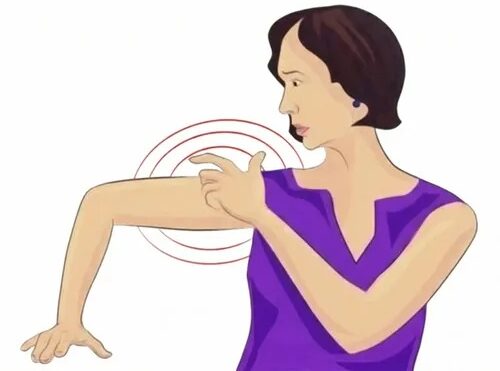
Mini-stroke symptoms usually come on suddenly and can be easy to miss or dismiss. Common signs include numbness or weakness on one side of the body, facial drooping, or difficulty lifting an arm or leg. Speech may become slurred, delayed, or hard to understand. Vision changes—such as blurriness, double vision, or a shadow over one eye—can appear without warning. Some people feel dizzy, lose coordination, or develop a sudden headache that feels unusual for them. Even if these symptoms last only minutes, they should always be treated as a medical emergency.
Older adults face a higher risk of mini-strokes due to underlying health conditions that affect blood vessels and circulation. High blood pressure, diabetes, and elevated cholesterol can slowly damage arteries, making blockages more likely. Smoking, physical inactivity, chronic stress, and poor nutrition can increase the risk even further. Many people don’t realize that a significant number of full strokes occur shortly after a mini-stroke, sometimes within days. That’s why a TIA is often described as an early alarm that should never be ignored.
Continue reading on next page…