When people think of their grandmothers in the kitchen, they often remember culinary habits that feel almost magical—techniques passed down through generations that seemed to always work. One of the most iconic? Leaving a big pot of soup on the stove for hours before storing or reheating. For decades, this was completely normal, rooted in household routines and the tools available at the time. Today, the practice raises eyebrows—and questions about safety.
Back then, kitchens were different. Drafty homes, heavy cookware, and fresher, less processed ingredients created conditions where a simmering pot could cool slowly without spoiling. Experienced cooks knew how long it could safely sit, when to reboil it, and which ingredients naturally helped preserve it. Soup wasn’t just food—it was a carefully managed process guided by intuition honed over years.
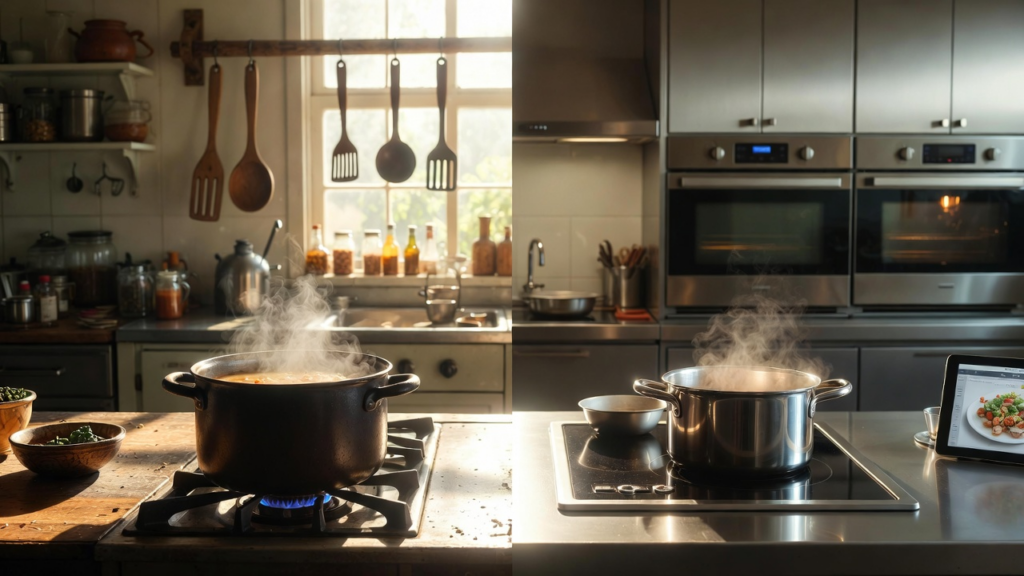
Modern kitchens, however, tell a different story. Lightweight pots, well-insulated homes, and ingredients that travel long distances mean that food can linger in the bacterial “danger zone” for longer. While thorough reheating kills many bacteria, some toxins can survive. What worked for Grandma may no longer guarantee safety—though that doesn’t mean her methods were careless. They were effective within the context of her environment.
Continue reading on next page…