Before You Eat Another Banana, Here’s What You Should Know
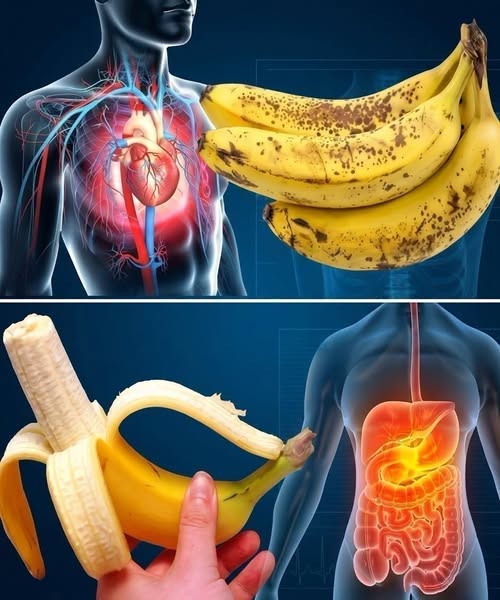
Bananas are one of the most convenient fruits to include in an everyday diet. They are easy to carry, require little preparation, and can be enjoyed on their own or added to oatmeal, yogurt, smoothies, and baked goods.
Their natural sweetness makes them a popular snack, but bananas offer more than flavor. They provide dietary fiber, potassium, and other nutrients that contribute to a balanced eating pattern.
So, what happens when you make bananas a regular part of your diet? The answer depends on your overall eating habits, portion sizes, and the other foods you eat throughout the day.
1. Bananas Provide Useful Everyday Nutrients
Bananas contain several nutrients that support normal body functions. Two notable components are dietary fiber and potassium.
Fiber contributes to digestive health and can help support regular bowel movements. Including fiber-rich foods such as fruit, vegetables, whole grains, and legumes in your diet can help you meet your daily needs.
Potassium is an essential mineral involved in normal muscle function, nerve signaling, and fluid balance. Bananas can contribute to potassium intake, although other foods, including potatoes, beans, leafy greens, and yogurt, also provide this nutrient.
Bananas are not a miracle food, and no single fruit supplies every nutrient the body needs. Their main benefit is that they offer a convenient way to add fruit and valuable nutrients to everyday meals.
2. How You Eat a Banana Can Make a Difference
A banana eaten alone provides a different nutritional combination from one served with other foods.
For example, pairing a banana with plain yogurt can provide protein and calcium alongside the fruit's carbohydrates and fiber. Adding sliced banana to oatmeal can create a more substantial breakfast, while a small portion of nuts can contribute healthy fats and additional nutrients.
 Up Next: Page 2 of 3
These combinations can make meals and snacks more varied and satisfying.
There is no single correct way to eat a banana. The best choice depends on your preferences, appetite, nutritional needs, and the...
Continue Reading